


Updated November 11, 2026
Cost of Living Tokyo vs Nagoya 2026: What I Pay in Nagoya
Are you considering the cost of living in Tokyo and Nagoya in 2026? To know where I stand, I currently live in Nagoya.
In this article, for Tokyo, I use government numbers. For Nagoya, I will reference my own bills.
In this article: 📝
- Tokyo vs Nagoya at a Glance: What the Official Numbers Say
- Why I Chose Nagoya Over Tokyo
- Rent in Nagoya vs Tokyo: The Biggest Gap in Your Budget
- Is Nagoya Cheaper Than Tokyo? Food and Groceries
- Getting Around: Gentsuki, Train
- Utilities and Phone Bills: Watch the Summer Bill
- Tokyo vs Nagoya Salary: Higher Pay, Higher Prices
- Living in Nagoya as a Foreigner: The Cons
- Nagoya Quality of Life: Weekends, Parks and Space
- Tokyo or Nagoya for Expats? My Answer
So, is Nagoya cheaper than Tokyo? Yes.
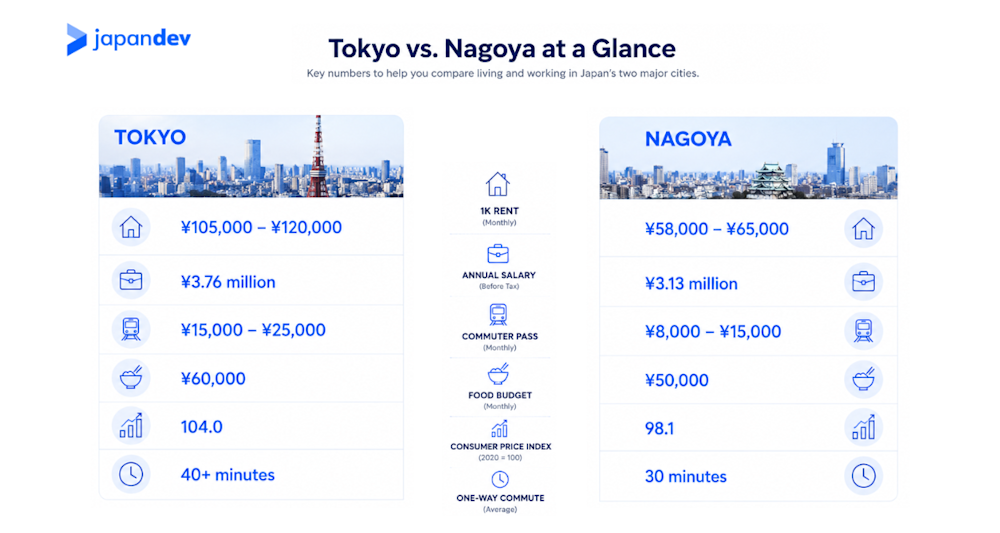
The Statistics Bureau's 2025 price index scores Tokyo at 104.2 and Aichi Prefecture, where Nagoya sits, at 98.0. The national average is 100. Housing drives the biggest gap, at 129.8 for Tokyo and 94.6 for Aichi.
Pay is lower in Aichi too, so the full answer takes a few steps. Below I go through rent, move-in costs, food, transport, bills and salary. I also cover what it's like in general to live here as a foreigner.
Tokyo vs Nagoya at a Glance: What the Official Numbers Say
The table uses the national average as 100. A higher number means higher prices.
Measure |
Tokyo |
Aichi(Nagoya) |
Source |
Overall prices |
104.2 |
98.0 |
|
Overall, without rent |
102.2 |
98.4 |
|
Housing |
129.8 |
94.6 |
|
Food |
102.9 |
97.4 |
|
Utilities and water |
93.7 |
96.4 |
|
Transport and communication |
103.5 |
98.1 |
|
Culture and recreation |
105.6 |
99.9 |
|
One-way commute, main earner (minutes) |
43.7 |
29.0 |
|
Average monthly cash earnings, 2025 |
¥459,078 |
¥371,107 |
Please note, the housing number counts rent costs only. It leaves out what homeowners would pay themselves.
The earnings figure includes all regular workers, such as part-timers. Since it does not represent developers' salaries, it is only an approximate indication. References to developer wages are made in the salary section.
It is not true that Tokyo is more expensive in all categories; in fact, utilities and water are cheaper there, the number being 93.7 compared to 96.4 in Nagoya. I'll return to this point later.
For overall prices, a score of 104.2 shows that prices are 4.2% higher than the national average, and a score of 98.0 indicates that they are 2.0% lower than it.
Consider the categories in turn. Tokyo scores 103.5 in the area of transport and communication and 98.1 in that of Aichi. For culture and recreation, the score is 105.6 compared with 99.9. In each case, Tokyo is about 5% more expensive.
Why I Chose Nagoya Over Tokyo
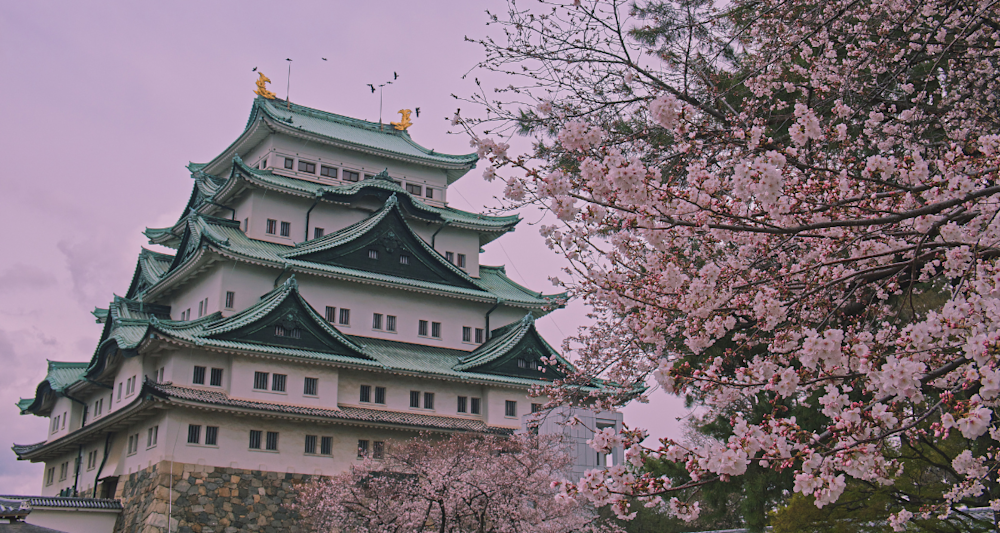
I've lived in Japan for more than 8 years. I started in Karuizawa, Nagano, at 16. Later, I studied business in Nagoya, and I've now lived here for about 4 years.
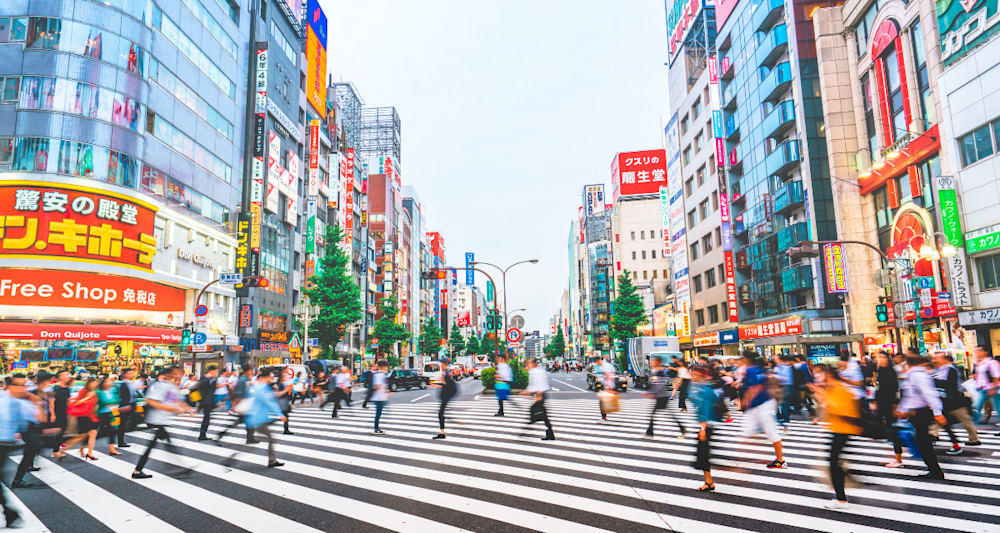
I never applied for a job in Tokyo. I looked at Nagoya, the rest of Aichi, and the Chubu and Kansai areas, maybe Osaka. Tokyo and Yokohama never made my list. Both felt too crowded, with too many tourists, and that wasn't ideal for me.
Nagoya is a big city, but not too big. It also isn't too small. Even at peak hours, it feels less packed than Tokyo.
While I was a university student, I used to take the train every morning at 7 a.m., right in the middle of the peak rush hour. I would simply get on board and although the train was full, no one pushed me.
I have come across a couple videos on Instagram and Facebook showing train staff pushing passengers onto crowded Tokyo trains while people wait for the next one, but such a thing rarely occurs in Nagoya. At least I have never seen it myself.
The Ministry of Land, Infrastructure, Transport and Tourism measured train crowding in fiscal 2024. Trains in the Nagoya area ran at 126% and trains in the Tokyo area ran at 139%. Nagoya trains aren't empty, but they are considerably less crowded than Tokyo.
The main earner in a Tokyo household travels 43.7 minutes one way on average, compared to 29.0 minutes in Aichi.
In addition, I like paying a low price for a big apartment in a city with good public transportation. I save more money here. And over 4 years I’ve built a community of friends and family, which is a big reason for why I chose to stay.
Rent in Nagoya vs Tokyo: The Biggest Gap in Your Budget
Rent is where the two cities differ the most. According to the government's index, Tokyo housing costs about 37% more than Aichi housing (129.8 compared to 94.6).
For real estate ads, a single-type apartment of 30 m² or less in Tokyo's 23 wards averaged ¥110,177 in February 2026. That's 12.0% higher than a year before.
For more on Tokyo, see Japan Dev's guide to average rent in Tokyo.
In Nagoya's Nishi Ward, CHINTAI lists 1K apartments from ¥42,000 to ¥75,000, depending on the town. A 1K is one room with a small kitchen. These are asking prices from a listing site, not signed contracts.
When you compare listings, check whether the price includes the management fee. Mine does. Ask every agent which number they're quoting, because it changes your total.
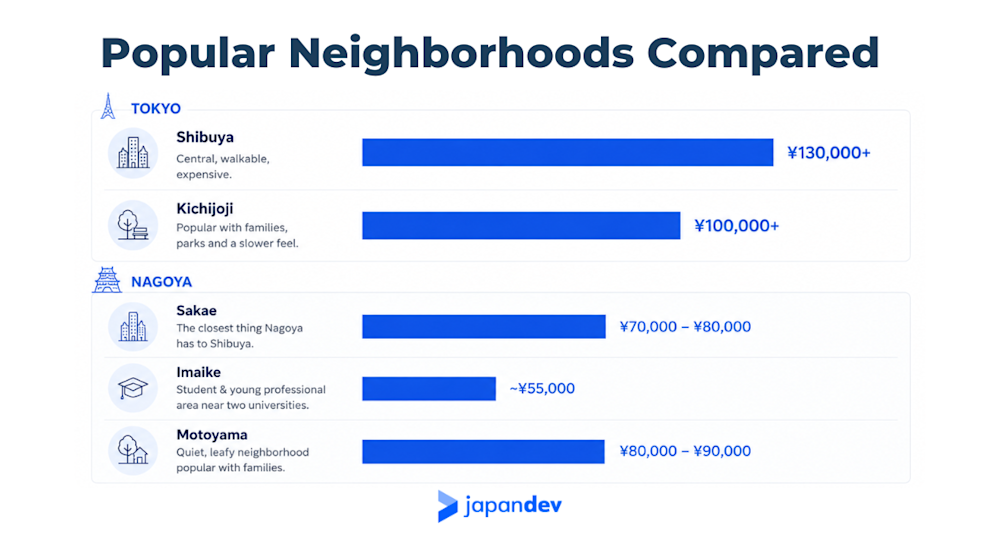
My Rent
I rented a 2LDK apartment in Tenpaku Ward, the size is ~40 square metres. By 2LDK I mean two rooms together with a living room, dining room and kitchen. The monthly rent is ¥64,000 and this includes the management fee.
The Tsurumai subway line's closest station can be reached by walking in about 10 minutes. Utilities add about another ¥10,000 a month.
If we compare it to the average cost of apartment advertisements in Tokyo, a tiny studio in the 23 wards costs ¥46,177 more than my rent. But since my apartment in Nagoya has two rooms, the comparison between an average Tokyo advertisement and the example of my own apartment should therefore be regarded as only a rough estimate.
Move-In Costs and Processes
A quick note about apartment searching in Nagoya. My experience might be similar for foreginers in other major cities, such as Tokyo. I viewed 3 or 4 apartments before I signed. Some agencies didn't allow foreigners,others said, "we'll ask the owner."
Landlords usually don't give a reason. They just say the place isn't for rent to foreigners. One agency told me some complexes are for families, and owners may think foreigners will be louder and disturb the neighbors. I can't say if that's true. It's what I heard.
My apartment in Nagoya also required having a guarantor in order to rent. A guarantor is an individual or a company that will take care of your rent payment in case you fail to pay. The agency recommended a guarantor company when I signed the agreement, and I used their services.
Move-in fees generally consist of 2 months of rent and key money. This is pretty typical.
One item the agency wanted to charge was a "24-hour support" service at about ¥5,000 a month. I asked what it was and I didn't understand the answer, so I said I didn't want it. The agent told me it was important. I said no again, and they removed it. I also negotiated the key money and other items.
Ask about move-out costs before you sign. You might need to pay a cleaning fee when you leave. If you damage the floor or a wall, you pay for that too.
Before you sign, ask the following:
What does each line on the estimate pay for?
Does the rent include the management fee?
Which guarantor company do you use, and what does it charge?
What will I pay when I move out?
Japan Dev has two guides that go deeper on this: how much it costs to move to Japan and how to find an apartment in Japan for foreigners.
Is Nagoya Cheaper Than Tokyo? Food and Groceries
A lower disparity can be found regarding food expenses. The 2025 food index is 102.9 for Tokyo, 97.4 for Aichi and 98.7 for Nagoya City. According to calculations, food in Tokyo is about 4% - 6% costlier.
I do groceries from Gyomu Super, Amica and Tachiya. The expenses for one grocery trip vary from ¥2,000 to ¥3,000. In total, I spend about ¥5,000 to ¥10,000 on food in one week.
Getting Around: Gentsuki, Train
For my first 3 to 4 years, I rode the train on a commuter pass (teikiken). It cost about ¥10,000 a month. The pass gave me unlimited rides on specific subway lines. It was a lifesaver and a great deal.
Now I also use a scooter (gentsuki) to get around. I got mine for ~¥100,000 from a friend. You can also find them on Facebook Marketplace or in shops. I ride about 20 km a day, and a full tank costs about ¥500 a week.
Way to travel |
What I pay |
Note |
Commuter pass (teikiken) |
About ¥10,000 a month |
Unlimited rides on specific subway lines |
Scooter (Gentsuki) |
¥100,000 once, about ¥500 a week for fuel |
About 20 km a day |
Shinkansen to Tokyo |
¥10,000 to ¥12,000 one way |
|
Overnight bus to Tokyo |
¥3,000 to ¥4,000 one way |
You can sleep on it |
If I had to do it again, I would obtain a license (Gentsuki or car license) earlier. Trains are costly and over time they add up.
Trains became costlier in Tokyo in 2026 too. JR East increased fares in March by 7.1% on average and about 12% for commuter tickets.
I go to Tokyo and Yokohama often. Booking is simple. For the Shinkansen, I book at Nagoya Station and go. The fastest Nozomi trains take 1 hour 34 minutes from Tokyo to Nagoya.
For the overnight bus, I go to the bus station at Nagoya Station and book online. Many websites sell bus tickets. I pay ¥3,000 to ¥4,000 one way, and I sleep on the bus.
The Shinkansen fare is also going up. For tickets bought from July 1, 2027, the express fee rises from ¥4,920 to ¥5,500, which brings the reserved fare to ¥11,880, per a JR Central and JR West notice of October 16, 2026. So the costs for overall transportation are getting more expensive, but overall Nagoya is a very accessible city.
Utilities and Phone Bills: Watch the Summer Bill
Utilities in my apartment usually run about ¥10,000 a month. One summer bill hit ¥18,000. I think heavy air conditioning caused it. That bill was unusual, and it shocked me a bit.
I don't remember the year, so I can't say if a subsidy applied.
The government paid for part of the summer 2026 bills.
Electricity got ¥3.5, ¥4.5 and ¥3.5 per kWh off for July, August and September usage, and gas got ¥14, ¥18 and ¥14 per cubic meter off, per Selectra. The subsidy does not cover October usage, so expect full prices from here.
The 2025 index also shows utilities and water cost less in Tokyo (93.7) than in Aichi (96.4). So, Nagoya doesn't win every category.
For my phone, I use a regular Docomo plan. It works anywhere in Japan, and the price is about the same everywhere.
What My Month Adds Up To
These are my regular bills, using the numbers above. I multiplied the weekly costs by 4 weeks.
Bill |
Per month |
Rent, including management fee |
¥64,000 |
Utilities (excluding phone) |
About ¥10,000 |
Food at ¥5,000 to ¥10,000 a week |
¥20,000 to ¥40,000 |
Fuel at about ¥500 a week |
About ¥2,000 |
Total |
About ¥96,000 to ¥116,000 |
This total leaves out my phone, going out, travel, insurance and taxes, which are costs that can vary depending on your lifestyle.
Tokyo vs Nagoya Salary: Higher Pay, Higher Prices
The Labour Ministry's 2025 survey puts average monthly cash earnings at ¥459,078 in Tokyo and ¥371,107 in Aichi. That means Tokyo pay runs 23.7% higher.
That number covers all regular workers, part-timers included. It doesn't show what a software developer earns.
For developers, The Labour Ministry's 2023 wage survey is summarized by the salary site Atsoho. It's a secondary source, and it might be a bit dated, but salaries did not change much. The figures are for Tokyo and Aichi.
Software developers |
Tokyo |
Aichi |
Average monthly pay |
¥405,000 |
¥384,000 |
Average yearly pay, with bonus |
¥5.72 million |
¥5.97 million |
Average yearly bonus |
¥860,000 |
¥1.359 million |
Average age |
37.7 |
41.6 |
This shows that Tokyo developers earn about 5.5% more per month. That's close to the 6.3% price gap between the two places (104.2 against 98.0). Across all workers, the pay gap is much bigger than the price gap. For developers, it nearly cancels out.
Aichi's yearly number is higher because of bonuses and age. Aichi developers in this data are about four years older, so they probably have more years of experience. It doesn’t necessarily mean that "Nagoya pays more."
Try this with your own offers. Say a Nagoya offer pays ¥400,000 a month. A Tokyo offer would need to pay about ¥425,000 for the same buying power. That's an example, not a real offer.
If we take out rent, the price gap falls to about 3.9% (102.2 against 98.4). So rent is a large part of what to pay for living in Tokyo.
For me, a lower rent and a bigger apartment mean I save more here and live more comfortably. Do the math with your own offer before you say yes to either city.
Living in Nagoya as a Foreigner: The Cons
Although Nagoya is generally far less crowded than Tokyo, getting documents processed at the city offices take more time than you expect. I once went to get a juminhyo, the residence certificate. It was a Tuesday morning and the office was crowded. It took more than 2 hours. Normally it should take about 20 minutes.
Part of the reason is that Nagoya doesn't let you print it at a convenience store yet. You have to go in person. But that is changing. The city says it will start issuing juminhyo copies at convenience store copy machines on December 16, 2026, using a My Number Card.
Until then, plan ahead and take a lot of time off. You never know how long these things will take.
Nagoya Quality of Life: Weekends, Parks and Space
Saturdays are good here because there are so many places to go. One of my favorites is Hisaya-odori Park downtown. I also like the port area. It's very nice.
I go to Osu Street too. You can find antique shops, coffee shops and a lot of delicious food.
Nagoya is known for their cafe culture. The Statistics Bureau reports that the yearly household spending in 2023-2025 on coffee shops is ¥16,431 (Nagoya).
My favorite coffee shop is probably at Komeda’s headquarters shop, a cafe chain originating from Nagoya. The chain's head store is in Nagoya's Mizuho Ward, and its morning service runs from opening until 11 a.m.
The city has many big parks where you can relax. Very few tourists come here.
In general, space matters to me. For a lower price than a Tokyo studio, I get two rooms and a short ride to a subway station.
It’s great for getting a balance between work and the rest of life, as covered in Japan Dev's guide to work-life balance in Japan.
Tokyo or Nagoya for Expats? My Answer
I can't tell you that Tokyo is the wrong choice. Compared to Nagoya, developer pay runs about 5.5% higher there, and housing costs about 37% more. But the city has more of everything. If you pick Tokyo, run the math on your own job offer.
I can tell you what Nagoya gives me. A two-room apartment for ¥64,000. A commute that's shorter on average than Tokyo's. A city I like, and friends and family I met over 4 years. I save more money here than I would in a bigger city.
Rent, pay, daily costs, commute and the pace of life are the main things to compare.
Tokyo offers higher pay, more job choices and more to do. Nagoya offers lower rent, bigger apartments, shorter commutes and a calmer routine.
Neither city is better for everyone, so think about which of these matters most to you, then check it against your own job offer and conditions. For me, that’s Nagoya.


Born and raised in Libya, Hasan spent the last 6 years exploring Japanese culture while living in Nagano and Aichi. His journey began at a high school in the town of Karuizawa, followed by a Bachelor of Business in Nagoya. Professionally, He is an SEO and content specialist with over 3 years of experience crafting digital strategies. When not working, He is trying to catch up on his goal of visiting every single prefecture in Japan.
- Cloud Platform Engineer (Go, Kubernetes)
- Mujin
- 東京
- 800万〜1,200万円
- Backend Software Engineer (Go)
- Mujin
- 東京
- 800万〜1,200万円
- Application Software Engineer
- Wayve AI
- 東京
- Data Engineer, Application Software
- Wayve AI
- 東京


新着エンジニア求人
多国籍チームで活躍できる、新しい求人をチェック
- Cloud Platform Engineer (Go, Kubernetes)
- Mujin
- 東京
- 800万〜1,200万円
- Backend Software Engineer (Go)
- Mujin
- 東京
- 800万〜1,200万円
- Application Software Engineer
- Wayve AI
- 東京
- Data Engineer, Application Software
- Wayve AI
- 東京
- Principal Application Software Engineer
- Wayve AI
- 東京
- Technical Product Manager - Robotaxi
- Wayve AI
- 東京
- Staff Platform Engineer, CI/CD
- Wayve AI
- 東京
求人アラートを受け取る
ニュースレターに登録して、厳選した日本のIT求人をメールで受け取りましょう。

© 2026 Japan Dev. All rights reserved.
東京から開発・運営しています。


Curated with 💙 in Tokyo by Eric Turner
掲載情報は、公開されている情報とユーザーからの提供をもとにしています