



Updated June 2, 2026
Being Muslim in Japan: What Daily Life and Work Really Look Like
People often ask me the same question when I tell them where I live.
"Is Japan friendly to Muslims?"
When friends and family back home first heard I was moving to Japan in 2019, that was the very first thing they asked. Questions like "Will you find halal food?" and "Will people treat you differently?" also came to mind.
At the time, I didn't have a good answer.
But after living and working here for several years, I believe I do. And it's not the simple yes or no people are looking for.
What is it like for a Muslim to live and work in Japan? Well it's a balance between appreciation for Japanese society and the daily effort to carve out space for your faith. It can be done for sure, but it does take planning, patience, and willingness to explain yourself more than you are ever used to.
This article covers what I've learned in the past 6 years, from daily life, finding community, halal food, to what working in a Japanese company looks like as a Muslim.
If you're a Muslim professional thinking about moving to Japan, read on.
In this article: 📝
- Is Japan Actually Friendly to Muslims? My Honest First Impression
- How Large Is the Muslim Community in Japan?
- What Does a Typical Day Look Like When You Pray 5 Times a Day?
- Can You Actually Find Halal Food in Japan?
- What Is It Like to Celebrate Eid and Ramadan in Japan?
- What Is It Really Like to Work as a Muslim in a Japanese Company?
- Top 5 Questions Muslim Professionals Should Ask in Job Interviews in Japan
- Is Japan on Its Way to Becoming a Muslim-Friendly Tech Hub?
- Concluding Thoughts
Is Japan Actually Friendly to Muslims? My Honest First Impression
Japan is polite, but it isn't prepared, and it lacks the infrastructure to handle a significant increase in cultural diversity.
In my first week, I walked into a 7-11 convenience store excited to grab a quick bite, then realized I couldn't eat much there.
Almost none of the bentos were halal.
On my first day at work, nobody in the office had heard the word "halal" before, let alone understood why I was stepping away at certain times.
That wasn't hostility.
Japanese people are curious, respectful, and kind. But curiosity is different from familiarity. I realized that educating the people around me was going to be a permanent part of my life here, something I had never needed to do back home.
So is Japan friendly to Muslims? Yes, in the sense that you'll rarely face meanness or discrimination. But no, in the sense that the infrastructure and awareness are still catching up to the reality of a growing Muslim community.
How Large Is the Muslim Community in Japan?
Before I arrived, I had read that there were a handful of mosques in the major cities. That was about all I knew.
What I wasn't prepared for was just how small and spread out the community would feel in person.
But the story of Muslims in Japan goes back to 1890, when an Ottoman warship sank off the coast of Wakayama on its return voyage to Istanbul. Japanese locals rescued the survivors and sent them home with care. That act of compassion built a bond between Japan and the Muslim world.
Indian and Turko-Tatar traders later settled in Kobe, which was then one of Japan's busiest international port cities.
By 1928, Kobe's Muslim community had grown enough to fundraise for a proper place of worship. Seven years later. The Kobe Muslim Mosque opened its doors as Japan's first mosque. It still stands today in Kobe's Kitano-cho district.
What makes it legendary, though, is what happened in 1945, when US bombing raided Kobe during World War II. Much of the city was in rubbles, except that the mosque stood almost completely unscathed. Local residents took shelter inside it, and earned it a nickname: The Miracle Mosque. It then survived the 1995 Great Hanshin earthquake too, one of the worst to hit Japan in modern history.
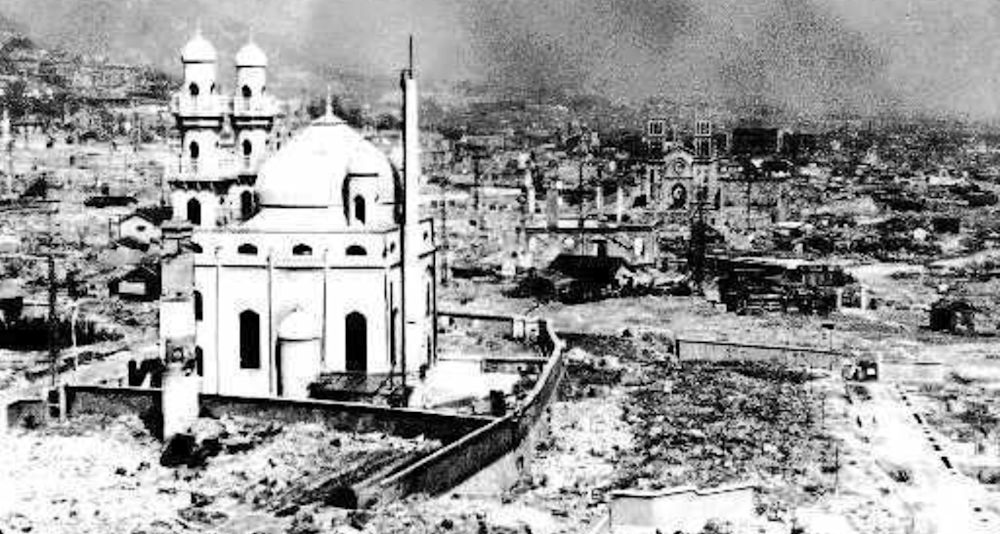
Kobe Mosque after Word War II, 1945 bombing.
In recent years, Japan's Muslim population has grown from roughly 185,000 in 2010 to around 420,000 by the end of 2024, according to research by Waseda University professor emeritus Hirofumi Tanada. That's a 3.8-fold increase over about 20 years. The number of mosques has followed the same curve, climbing from just 24 in 2001 to around 160 locations nationwide as of mid-2025.
About 90% of Muslims in Japan are foreign nationals, with Indonesians making up the largest group at roughly 200,000 people. Bangladeshis, Pakistanis, and Malaysians follow closely behind. Japanese converts make up the remaining 10%.
Here's what that growth looks like:
Year |
Estimated Muslim Population |
Mosques in Japan |
2001 |
~60,000 |
24 |
2010 |
~185,000 |
~50 |
2019 |
~230,000 |
110+ |
2024 |
~420,000 |
~150 |
Sources: Pew Research Center, Hirofumi Tanada / Waseda University
I've watched this growth happen in real time since 2019. New Masjids opening not just in Tokyo but in many other mid-sized cities like Nagoya, where I'm based. The web of community connections has grown, and it gives me hope for what Muslim life in Japan will look like a decade from now.
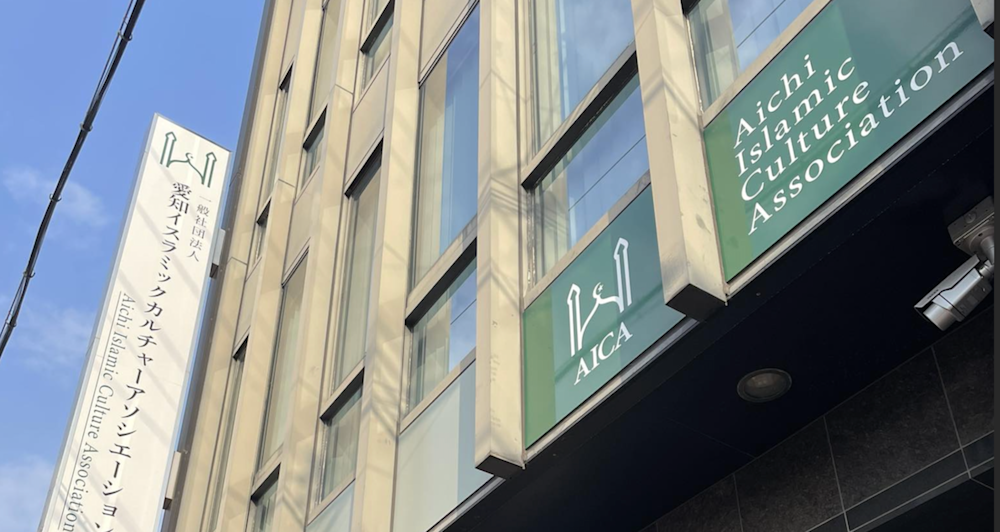
AICA Mosque, Aichi, 2025 Opening.
What Does a Typical Day Look Like When You Pray 5 Times a Day?
This is one question most non-Muslim colleagues are too polite to ask, so let me just answer it up-front.
Faith runs through every single day, but of course, more consciously here than it would in a Muslim-majority country. The five daily prayers follow the sun's position, which means the timing shifts throughout the year by roughly an hour or more between summer and winter. There's no fixed schedule you can print out and hand to HR once and be done with it.
On a standard 8-hour workday, I need to pray three to four times while on the clock. Each prayer takes about 5 to 7 minutes. It would look like this on a typical workday:
Prayer |
Approximate Time (Summer) |
Approximate Time (Winter) |
During Work Hours? |
Faajr (Dawn) |
~4:00 AM |
~6:30 AM |
No |
Dhohr (Midday) |
~12:00 PM |
~11:45 AM |
Yes |
Asr (Afternoon) |
~3:30 PM |
~2:30 PM |
Yes |
Maghrib (Sunset) |
~7:00 PM |
~4:30 PM |
Sometimes |
Isha (Night) |
~8:30 PM |
~6:30 PM |
Sometimes |
Daily adaptation for me is pretty consistent. In the morning, I try to check out which meeting rooms are likely to be free at prayer times. During the workday, I step away to a quiet corner or an empty room. It doesn't disrupt my work. My colleagues don't notice. But it does need constant awareness of where I am and what space is around me.
Outside of work, my life centers around the mosque. The masjid in Nagoya is the heart of the community. It's where I find people who share the same rhythms, where I stock up on food I can trust, and where the texture of daily life feels a little bit closer to what I'm used to.
My single strongest piece of advice for any Muslim thinking about moving to Japan: try to live near a masjid. The practical difference it makes is enormous. Prayer, food, community, all of it gets easier when the mosque is nearby. If you can also work from home, even a few days a week, that proximity matters even more.
Can You Actually Find Halal Food in Japan?
Yes. But it takes effort, and you need to know where to look.
Our full halal food guide for Japan covers this in much more depth, but here's the version I learned from actually living it.
Challenges
The biggest shock early on was how limiting regular supermarkets are. Products that look safe often contain mirin, a rice wine used as a seasoning, or pork-derived emulsifiers in the ingredients list. Japanese food labeling isn't designed with halal in mind, and most labels are entirely in Japanese.
Dining out comes with its own frustrations. Most restaurant staff have never encountered the word "halal" before. They're usually willing to help, but they just don't have the ingredient knowledge to give you a confident answer. In my first few months, I ate a lot of vegetarian dishes and salads when eating out, because those were the only things I could be certain about.
Main watch-outs when shopping or eating out in Japan:
Mirin (rice wine) みりん(味醂)appears in countless sauces, dressings, and marinades
Pork extract 豚 (Buta) turns up in broths, soups, and seasoning mixes
Soy sauce sometimes contains alcohol
"Vegetarian" does not always mean halal
Restaurant staff often can't confirm every ingredient at the kitchen level
Discoveries
The turning point for me was finding the halal shop at my local mosque. Many mosques in Japan run a small halal grocery on the ground floor. Stocked mainly with imports from Indonesia, Malaysia, and Bangladesh. Frozen halal meats, certified instant noodles, and seasoning packs, all in one place, all confirmed safe.
If you don't live near a mosque, though, there's another option worth knowing about 業務スーパー (Gyomu Super). The supermarket chain has over 700 locations across Japan, from Hokkaido to Okinawa, and it has been stocking halal-certified products since 2009. The range covers halal chicken, beef (in some stores), snacks, seasonings, and halal soy sauce, some halal-friendly and others tagged with halal labels so no need to read every ingredient line by line. For Muslims living in the countryside or in cities with smaller Muslim communities, Gyomu Super can be a great option. You can browse their halal product range here.
The Muslim community also builds strong Halal-restaurant networks. Once you're in, you'll get recommendations for local spots that can actually accommodate you. That word-of-mouth network is genuinely the best resource.
The situation is improving at a national level too. The Japan Tourism Agency launched a government-funded project in 2024 to expand halal options and prayer facilities across selected pilot zones. Special food ingredient pictograms are being introduced to help Muslims shop in regular markets. Progress is slow, but it is there.
What Is It Like to Celebrate Eid and Ramadan in Japan?
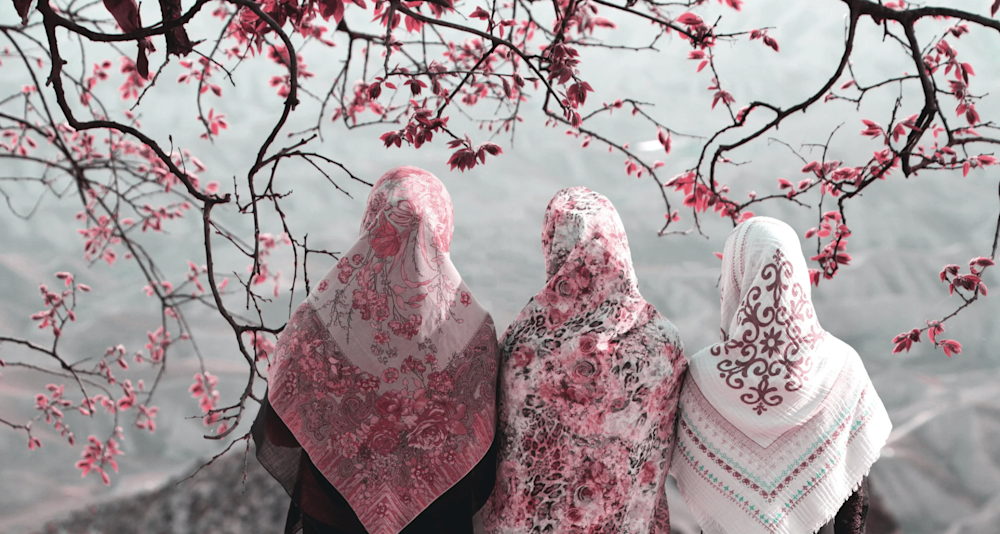
This is the part of Muslim life in Japan that is hardest to describe to someone who hasn't experienced it.
Back home, Eid is everywhere.
The whole city shifts. Streets fill with families, the energy of celebration is impossible to miss. But here in Japan, Eid falls on a regular working day, and almost nobody around you knows what it is.
My first Eid in Japan was small. We gathered at the mosque early in the morning for the prayer. People brought dishes from their home countries: Indonesian rendang, Pakistani biryani, and Turkish baklava. The building turned into a tiny global village for a few hours. It wasn't the scale of celebration I was used to, but the effort everyone made to be there gave it a warmth I still remember.
You have to plan Eid as a personal event. That means booking time off work in advance, explaining to your employer what the day is, and organizing your own celebration. Some years, that extra effort feels like a lot. Other years, the intentionality of it makes the day feel more meaningful.
Ramadan at Work
Ramadan is the month-long period when Muslims fast from dawn to sunset. Because it follows the Islamic lunar calendar, it shifts back about 11 days each year, cycling through all seasons over time. Fasting during a Japanese summer when the sun sets at 7 or 8 PM is a very different experience from fasting in winter when sunset comes at 4:30 PM.
I would say the physical challenge is manageable with good preparation.
The social challenge is what catches people off guard. Breaking the fast (Iftar) at the mosque with the community is very important. If your workday goes past sunset and no one makes allowances, you get cut off from the most meaningful part of the month.
From the employer’s perspective, the accommodation that makes a difference during Ramadan is simple. Allow a 15-minute break around sunset, or let the employee shift their break time to align with Iftar. Nothing structural, nothing expensive.
What Is It Really Like to Work as a Muslim in a Japanese Company?
This is where I want to be honest, because the experience varies depending on where you work.
At International and Tech Companies
I've been lucky. The companies I've worked for in Japan were either international in structure or had already built a culture of flexibility. Nobody asked me for written permission to use the meeting room. Nobody questioned my time management. Being trusted to manage my own time made a big difference to my focus and my sense of belonging.
Flexible hours are a natural fit here too. When a company already operates with remote work options and flextime policies, accommodating Jumu'ah (the Friday midday congregational prayer) becomes a conversation rather than a negotiation.
HENNGE is a good example. They provide a dedicated prayer and meditation room for Muslim employees. They also include halal options at their bi-monthly company lunches. Those aren't expensive gestures... They're signals that tell a Muslim candidate, before they even accept an offer, that their presence is considered.
Looking for companies in Japan that already have a good culture built in? Browse Japan Dev's curated job listings to see internationally vetted employers who offer great working conditions.
At Traditional Japanese Companies
The challenges I've seen friends face at more traditional Japanese workplaces have not come from bad intentions. They've come from total unfamiliarity.
A friend at a conventional Japanese company asked for short prayer breaks throughout the day. His manager couldn't grasp why the lunch break wasn't enough. From the manager's perspective, a break is a break. Why do you need more than one?
The idea that prayer times shift with the sun and can't be packed into a single lunch hour simply hadn't come up before. In one case, a friend was told he could only pray during his designated lunch break...
That's not workable. Because at certain times of year, the afternoon prayer falls at 3:30 PM and can't be combined with noon without compromising the prayer itself.
When you are in a similar spot, explain it once, clearly, and give your manager a concrete picture of what you actually need. Most of the friction I've seen comes from managers who had no frame of reference, not from managers who didn't care. A short, calm explanation of how prayer times shift with the season tends to land much better than a formal request ever would.
It also helps to make the ask feel small, because it is small. You're not necessarily asking for a dedicated room. Any quiet space works, an empty meeting room, a corner, a spare office. Frame it that way from the start, and most reasonable managers won't push back.
Flexible hours and remote work days are worth prioritizing too, not just for prayer but for your overall quality of life as a Muslim professional in Japan. A company that already operates with trust-based time management is one where your needs will fit naturally, without you having to negotiate each prayer into the schedule one by one. Japan Dev's guide on work-life balance in Japanese tech is a good starting point for knowing what to look for when you're evaluating employers.
Top 5 Questions Muslim Professionals Should Ask in Job Interviews in Japan
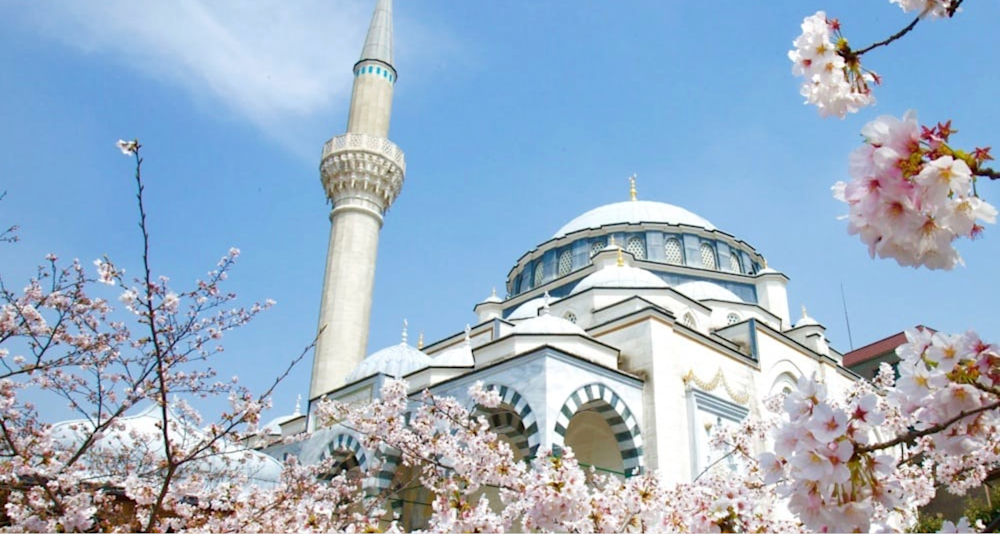
Tokyo Kamii Mosque
If you're job-hunting in Japan as a Muslim, the interview is your best opportunity to set clear expectations. Asking these questions directly and politely, tells you a lot about a company's culture before you accept an offer.
1. "Can I use a quiet space, like a meeting room, for brief prayer breaks during the day?"
Each prayer takes about 5 to 7 minutes, and two to three of them will fall within a standard workday. How the interviewer responds tells you everything. A positive and open response is a great sign of an inclusive culture. Some initial confusion just means there is an opportunity to share more about your needs from day one.
2. "How does the company handle flexible scheduling on Fridays?"
Jumu'ah is the Friday congregational prayer, obligatory for Muslim men, typically falling between 12 PM and 2 PM). Getting to and from a mosque in Japan takes time, since mosques here aren't as many as in Muslim-majority countries. A standard 1-hour lunch break often isn't enough.
Two arrangements that work well in practice:
Negotiate Friday off and substitute a weekend day, such as working Saturday instead
Take an extended 2-hour lunch break on Fridays and compensate with overtime the same day or another day that week
3. "How does the team handle dietary needs at company lunches and team events?"
Tells you whether inclusion has been thought about beyond the hiring stage.
4. "Does the company have existing Muslim or international employee communities?"
If they do, awareness is likely already built in. Things might be easier from day one.
5. "How does the company approach Ramadan scheduling?"
Specifically ask whether a short break near sunset would be possible during that month. If the interviewer has never considered this question, curiosity and openness are good signs.
Once you're hired, advocate by leading with reliability first. Show that you'll make up any time spent on prayer and that your schedule won't disrupt meetings. Build that trust, then be firm that these practices are important for you. Hopefully, this combination works for you.
These five questions are specific to Muslim professionals. But they're part of a larger interview strategy. For general advice on interviewing at Japanese tech companies, check out Japan Dev's interview tips. We asked top companies directly what they look for.
Is Japan on Its Way to Becoming a Muslim-Friendly Tech Hub?
There is a real shift happening. But it's uneven.
Japan's Muslim population grew by 70,000 people in a single year between 2023 and 2024. Mosques went from 24 in 2001 to roughly 160 by mid-2025. Halal food options are appearing in more cities and more supermarkets. The conversation about what it means to build a genuinely diverse Japanese workplace is louder than it's ever been.
The gap, though, is still wide between international tech companies and traditional Japanese ones.
International and global tech companies are already doing this well. They tend to have flexible work policies, multicultural teams, and enough experience with international hiring that a prayer break doesn't register as unusual. If you're a Muslim software developer looking for a good fit in Japan, start with Japan Dev's English-friendly job listings to find employers who already think this way.
Traditional Japanese companies have more work to cover, and the barrier is informational rather than intentional. The companies getting it right aren't spending a lot of money to do so, just small changes with real impact.
Japan has the infrastructure to become a destination for Muslim tech talent from Indonesia, Pakistan, Bangladesh, and Malaysia. These are large, technically skilled talent pools actively looking for opportunities abroad. Companies that build Muslim-friendly policies now get a recruiting edge. Before their competitors catch on. It won't happen by accident. But the direction is clear, and the incentive is real.
Concluding Thoughts
If you're a Muslim professional considering Japan, it's harder than living in a Muslim-majority country, but it's also rewarding. The community here is tight-knit and supportive in ways I didn't expect. The tech industry is growing, and the companies that value diversity are excellent places to work.
It won't always be easy. You'll explain halal to a confused colleague, scout meeting rooms before prayer times, and celebrate Eid on a Tuesday while the rest of the office has no idea. But you'll also find a community that looks out for each other, a country that treats you with respect, and a career market that is slowly but clearly moving in the right direction.
Live near a mosque if you can. Ask the right questions in your interviews. Build trust with your employer before you need to advocate for yourself. And get plugged into the local Muslim network early, because the people who've been here longer than you will save you a lot of trial and error.
Japan has a place for Muslim professionals. It just takes a little more work to find it, and a little more effort to build it. In my experience, it's been worth both.
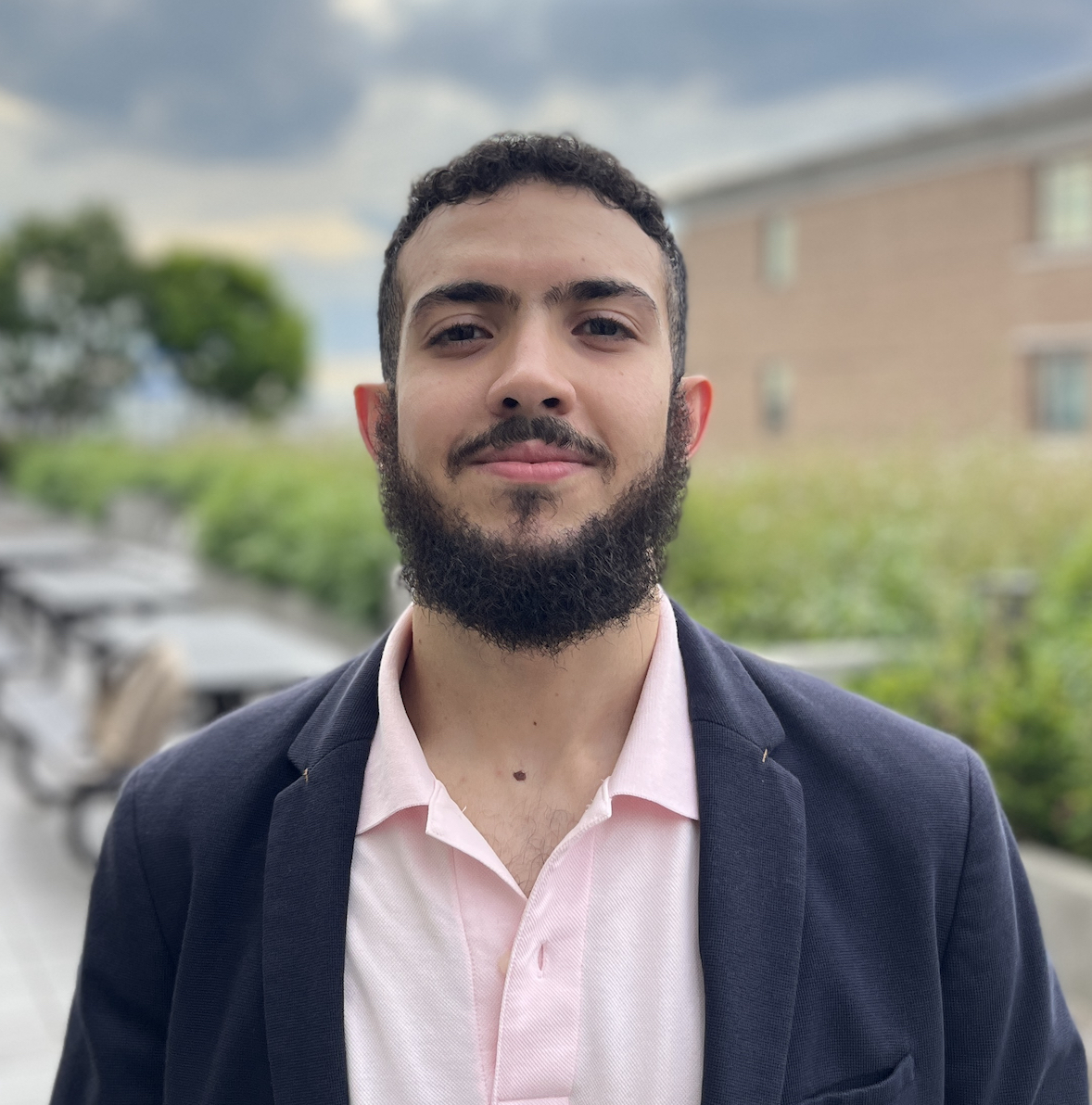

Hasan Ali
Born and raised in Libya, Hasan spent the last 6 years exploring Japanese culture while living in Nagano and Aichi. His journey began at a high school in the town of Karuizawa, followed by a Bachelor of Business in Nagoya. Professionally, He is an SEO and content specialist with over 3 years of experience crafting digital strategies. When not working, He is trying to catch up on his goal of visiting every single prefecture in Japan.
- Computer Vision Engineer (Object Detection & 3D Pose Estimation)
- Mujin
- Tokyo
- ¥8M ~ ¥13M
- Robotics Algorithm Engineer (Control & Motion Planning)
- Mujin
- Tokyo
- ¥8M ~ ¥13M
- Senior Software Engineer
- Blued
- Tokyo
- ¥9M ~ ¥13M
- Full Stack Engineer, Tech Lead Track
- KATIX
- Tokyo
- ¥5M ~ ¥8M
- Engineering Team Lead, Management Track
- KATIX
- Tokyo
- ¥7M ~ ¥9M


Latest Tech Jobs 🇯🇵
Explore the top developer jobs in Japan for foreigners
- Computer Vision Engineer (Object Detection & 3D Pose Estimation)
- Mujin
- Tokyo
- ¥8M ~ ¥13M
- Robotics Algorithm Engineer (Control & Motion Planning)
- Mujin
- Tokyo
- ¥8M ~ ¥13M
- Senior Software Engineer
- Blued
- Tokyo
- ¥9M ~ ¥13M
- Full Stack Engineer, Tech Lead Track
- KATIX
- Tokyo
- ¥5M ~ ¥8M
- Engineering Team Lead, Management Track
- KATIX
- Tokyo
- ¥7M ~ ¥9M
- Senior Backend Engineer - Full Cycle Retail Robotics Engineering
- Telexistence
- Tokyo
- Robotics Operations & Field Deployment Engineer
- Kanaria Tech
- Tokyo
- Reliability Engineer, Market Data
- Two Sigma
- Tokyo
- FullStack Engineer (Satellite Operation Planning)
- Synspective
- Tokyo
- Senior Software Engineer - Engage Studio
- Treasure AI
- Tokyo





Get Job Alerts
Sign up for our newsletter to get hand-picked tech jobs in Japan – straight to your inbox.

© 2026 Japan Dev. All rights reserved.
Proudly built in Tokyo.


Curated with 💙 in Tokyo by Eric Turner
All our data is gathered from publicly available sources or contributed by users