



Updated February 12, 2026
Winter in Japan: How to Keep Warm When It Gets Cold
Winter in Japan brings a unique chill that catches many visitors and newcomers off guard.
While temperatures in Japan rarely dip below freezing in major cities, the dry cold combined with minimal home insulation makes staying warm a bit of a challenge. So, if you're wondering how Japanese keep warm in winter, we share methods that blend tradition with modern innovation.
From layered Japan winter fashion to the beloved kotatsu table, there's a lot to learn. This guide will walk you through everything you need to know about staying cozy through the Japanese winter.
What To Wear During Winter In Japan
Some say there’s no bad weather, only bad clothing. Follow the tips below, and you'll find yourself just as comfortable outside during winter as you would be on a warm summer day.
The Art of Layering
When it comes to Japan winter outfits, locals have mastered the technique of strategic layering.
Unlike simply throwing on one thick jacket, Japanese winter fashion focuses on building multiple thin layers that you can adjust throughout the day. This approach makes perfect sense once you experience the dramatic temperature shifts between freezing outdoor air and overheated trains and buildings.
Your base layer should be a thermal top, and that’s where Japanese innovation really shines.
Uniqlo's HEATTECH line has pretty much revolutionized winter wear with its moisture-wicking, heat-retaining fabric. These lightweight thermals trap warm air in fine-woven fibers, keeping you warm without the bulkiness that usually comes with winterwear.
You'll want to pack a few of these for your winter trip, or better yet, pick them up once you arrive in Japan, where they're readily available and often cheaper than abroad.
Building Your Winter Wardrobe
For your mid-layer, think wool or fleece sweaters that add insulation without restricting movement.
A zip-up hoodie or cardigan works perfectly since you can easily remove it when entering heated spaces. Japanese fashion tends toward neutral tones like black, navy, beige, and gray, which dominate the winter scene here. While this might seem monotonous at first, there's a practical elegance to it that lets you mix and match effortlessly.
Your outer layer should be a quality coat that hits below the knee for maximum warmth. You’ll see long wool coats and sleek down jackets everywhere in Japan's cities. But if you're heading to snowy regions like Hokkaido or planning some snowboarding in Japan, you'll need to upgrade to a thick down parka and waterproof gear.
Don't Forget the Extremities
Cold hands and feet can ruin your entire day, no matter how warm your core is.
Thin gloves are essential, so keep a pair in your bag or coat pocket, even on days when you think you won't need them. The chilly air in Japan makes a huge difference when you protect your hands.
Scarves and beanies are also functional necessities that trap heat and protect against biting winds.
Finally, footwear deserves special attention. Waterproof boots with a good grip are a must, especially after snow or rain when sidewalks become slippery. Pair them with thick wool socks, and you're good for hours. Just avoid canvas sneakers or anything that absorbs moisture.
How to Keep Warm in Winter at Home
Keeping warm indoors matters just as much, so here’s our advice for staying cozy.
Understanding Japanese Home Heating
What surprises many newcomers is that Japanese homes typically don't have central heating. Instead, heating happens room by room using individual appliances.
This approach might seem inefficient at first, but it actually makes economic sense. Rather than heating an entire house, you only warm the spaces you're actively using, which keeps electricity bills manageable during the long winter months.
Common Heating Solutions
As we covered in our air conditioners in Japan post, air conditioning units do double duty in Japan, providing both cooling in summer and heating in winter. These wall-mounted units are the most common heating method in modern apartments and homes. They warm rooms quickly and allow precise temperature control.
On the downside, though, they can dry out the air and sometimes kick up dust, which can be a concern if you’re asthmatic or allergic.
Electric heaters offer a safer alternative to the more traditional kerosene heaters that were once standard in Japanese homes. While kerosene heaters are still around, they require good ventilation and regular refueling. Electric options are more convenient and safer for households with children or pets.
Staying Warm Without Breaking the Bank
If you tend to feel cold easily and would like extra protection, hot carpets and electric blankets provide targeted warmth exactly where you need it.
As long as you’re stationary, doing work or relaxing, having heat beneath your feet or on your lap is the most energy-efficient option for staying comfortable.
Here are some more practical tips to get warm without breaking the bank:
Set your air conditioner on a timer so your room is warm when you wake up
Layer your windows with insulating curtains to prevent heat loss
Dress warmly indoors
Japanese homes often feel colder inside than you'd expect, so comfortable roomwear, thick socks, and even indoor padded vests (called hanten or chanchanko) become important parts of your winter routine.
What is Kotatsu: Japan's Coziest Winter Tradition
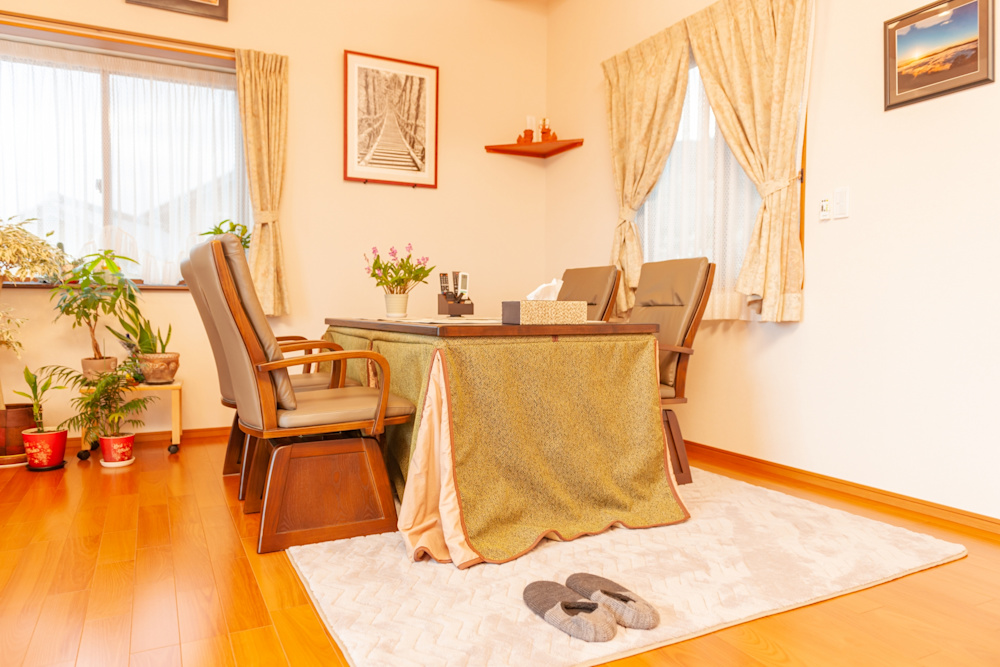
If there's one piece of furniture that defines Japanese winter, it's the kotatsu table.
A kotatsu table is a low table with an electric heater mounted underneath and a thick futon blanket draped from the tabletop to the floor. This creates a warm cocoon for your legs and feet. Once you slip under a kotatsu on a cold winter day, you'll understand why it's a thing.
The kotatsu concept dates back to the 14th century during the Muromachi period. Originally, people gathered around an irori fireplace built into the floor, covered with platforms and blankets to trap the heat. Over time, this evolved into the modern kotatsu we know today, swapping charcoal for electric heaters but keeping that same gathering-around-warmth concept alive.
Why Kotatsu Tables are Essential
What makes a kotatsu table special isn't just the warmth but how it transforms winter living.
The kotatsu becomes the center of life at home during the cold months. Families gather here for meals, students do homework, friends chat over snacks, and yes, plenty of people even take naps under the warm kotatsu blanket.
From an energy-saving perspective, kotatsu tables are incredibly efficient. Most only use between 300 and 600 watts of electricity, which is far less than the amount required to run an air conditioner to heat an entire room. The blanket traps heat in a small space, too, so no warmth can escape.
Plus, unlike heaters that dry out the air, kotatsu tables maintain comfortable humidity levels while keeping you warm.
Modern kotatsu come in various sizes and heights. Traditional low tables work great if you're comfortable sitting on floor cushions, but there are taller versions with adjustable legs that accommodate those who prefer chairs.
Some kotatsu tables even have foldable legs for easy storage once winter ends, while others double as regular tables year-round when you remove the heating element and blanket.
Japanese Winter Foods: Comfort Food That Warms You Up
Japanese winter foods are specifically designed to warm you from the inside out. The comfort and warmth of these dishes make surviving the cold months a joy rather than a drab. Let’s start with the winter food, Nabe.
Nabe: The Ultimate Winter Meal
It’s no secret: Nabe hot pot reigns as the undisputed king of Japanese winter foods.
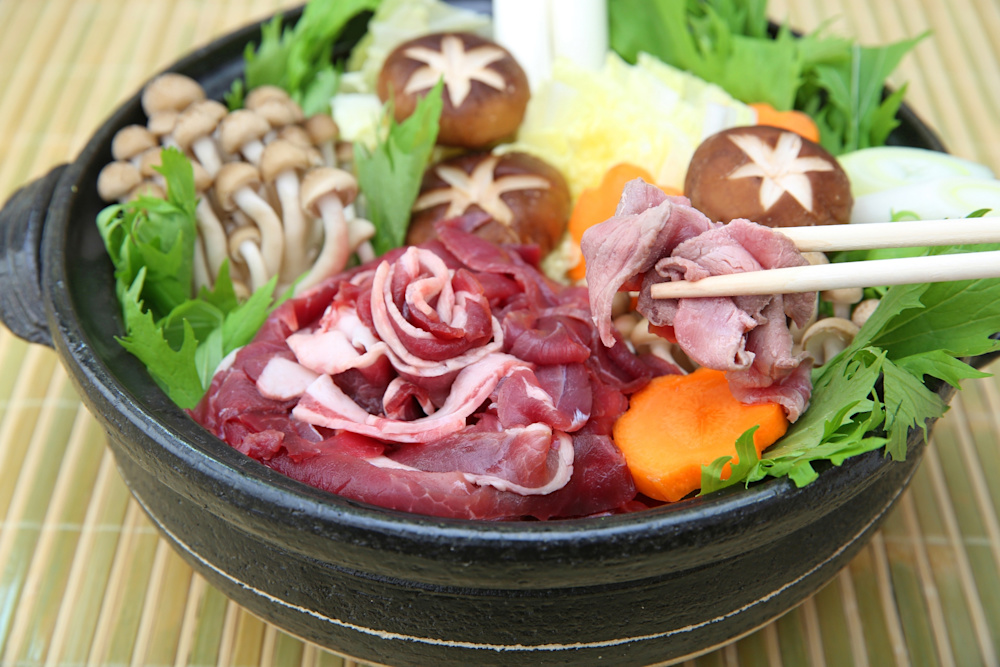
The concept is beautifully simple: A clay pot filled with simmering broth sits at the center of your table on a portable burner, everyone adds their favorite ingredients, and cooks them together in the bubbling broth.
There are countless regional variations, but the main ingredients are usually Chinese cabbage, mushrooms, tofu, green onions, and thinly sliced meat.
A regional variant, Sukiyaki, features beef in a sweet soy-based broth with raw egg for dipping. Shabu-shabu has thin meat slices that are boiled in water before being dipped in ponzu sauce.
There’s also Chankonabe, the protein-packed version favored by sumo wrestlers. Each type offers its own flavor profile, but they all share that communal, warming experience that makes winter gatherings extra special.
The best part? Once you think you've finished eating, it's time for shime, which means adding rice or noodles to soak up all that flavorful leftover broth. It's the perfect finish to a perfect winter meal!
Oden: Convenience Store Comfort
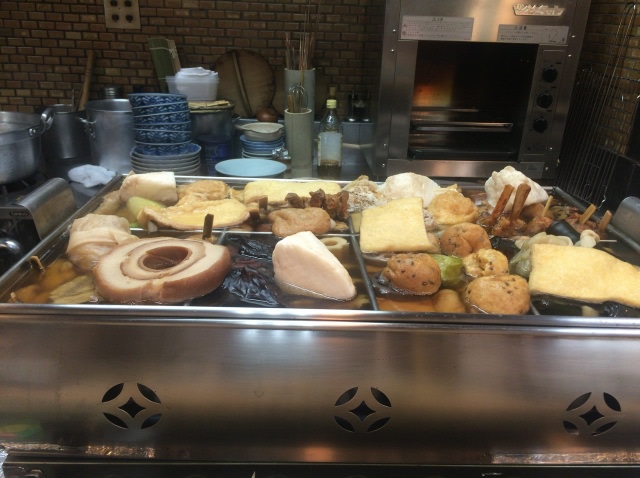
When you walk into any Japanese convenience store during winter, the smell of oden will greet you immediately.
This slow-simmered stew features skewered ingredients like daikon radish, fish cakes, boiled eggs, and konjac, all soaking in a light soy-based broth for hours until perfectly flavored.
Oden started as humble street food but has evolved into a winter staple available everywhere from specialty shops to 7-Eleven counters. Each piece typically costs around ¥100, making it an affordable and filling option when you need quick warmth on a cold day.
The mild, comforting taste appeals to everyone, and the best part is that you can customize your bowl by mixing different ingredients.
More Winter Delicacies to Try
There are other specialty dishes associated with winter in Japan.
Nikujaga, for instance, is a delicious winter dish that combines beef or pork with potatoes, onions, and carrots in a savory-sweet broth made from soy sauce, dashi, sugar, and mirin. This home-style dish balances comfort and nutrition perfectly, with regional variations depending on whether you're in eastern Japan (beef) or western Japan (pork).
For seafood lovers, winter brings the best oysters and crab. Oysters can be enjoyed raw, fried as kaki-fry, or simmered in nabe. Crab season peaks during winter, with Hokkaido and the Hokuriku region offering some of the finest specimens you'll ever taste.
More Winter Tips for How to Stay Warm in Japan
While we covered the basics, there are still a few more tips worth mentioning for those who enjoy spending time outside during winter
Warm Drinks from Vending Machines
Here's a uniquely Japanese winter pleasure that many visitors don't expect: Hot drinks from vending machines, of all kinds.
Japan's extensive network of vending machines switches into "warm mode" during the winter months, offering everything from hot coffee and tea to more surprising options like corn soup and sweet red bean soup.
Look for drinks marked with red labels. These indicate they're kept at a perfectly warm temperature of around 55°C. During winter, these heated beverages are lifesavers for commuters, students, and anyone who enjoys being outdoors in the cold. For around ¥100-200, you can warm your hands and stomach with a hot cup, which provides instant comfort.
Popular options include canned coffee brands like Boss and Georgia, green tea variations including hojicha and genmaicha, and hot cocoa for those who prefer non-caffeinated warmth.
Some machines even offer corn potage soup and oshiruko (sweet red bean soup) for a more substantial warming treat.
Convenience Store Winter Essentials
Japanese convenience stores transform during winter, offering seasonal foods and items specifically designed to keep you warm. Beyond the oden steaming by the register, you'll find nikuman, which are fluffy steamed buns filled with savory pork that serve as perfect hand-warmers and snacks.
Nikuman aren't limited to traditional pork filling. Convenience stores stock multiple varieties, including curry-man, pizza-man (better than it sounds), and anman filled with sweet red bean paste. These buns are kept in glass steam cabinets and are deliciously hot when you get them.
Winter also brings about a ton of seasonal cup noodles and microwave-ready bowls with limited-edition flavors. Dessert sections explode with strawberry-themed treats, which is the fruit's peak season and runs from December through February. You'll find everything from strawberry shortcake-inspired desserts to strawberry cream-filled buns.
Also, don't overlook the small heat packs called kairo available at every convenience store. These disposable warmers can be slipped into pockets, gloves, or even shoes for hours of gentle heat. This one is a local secret that makes spending time outdoors much more pleasant during the coldest days.
Final Word on How to Keep Warm in Japan
Surviving winter in Japan and actually enjoying it is all about combining smart clothing choices and home heating strategies, while embracing Japanese winter culture.
The layered approach to Japan winter fashion keeps you comfortable whether you're outside in the cold or inside overheated trains. Home heating might not be what you're used to, but individual room heating combined with kotatsu tables creates pockets of cozy warmth that feel uniquely Japanese.
The food, the warmth, and the small pleasures like hot vending machine drinks all make the cold months feel less like something to endure and more like a season to savor.
Now that you know how to keep warm in winter at home Japanese-style and what to wear during winter in Japan, you're ready to experience everything the cold season has to offer.
So, bundle up, embrace your layers, and discover why winter might just become your favorite time of year.


Japan Dev Team
This post was written by our Japan Dev editorial team.
- Quality Assurance Engineer (Embedded Systems)
- Mujin
- Tokyo
- ¥6M ~ ¥8M
- Product Manager (Hardware Lifecycle & Supply Chain)
- Mujin
- Tokyo
- ¥6M ~ ¥10M
- Senior Software Engineer — Platform (Atlas)
- MeetsMore
- Tokyo
- ¥7M ~ ¥11M
- Senior SRE
- MeetsMore
- Tokyo
- ¥7M ~ ¥11M
- Senior Security Engineer
- MeetsMore
- Tokyo
- ¥7M ~ ¥11M


Latest Tech Jobs 🇯🇵
Explore the top developer jobs in Japan for foreigners
- Quality Assurance Engineer (Embedded Systems)
- Mujin
- Tokyo
- ¥6M ~ ¥8M
- Product Manager (Hardware Lifecycle & Supply Chain)
- Mujin
- Tokyo
- ¥6M ~ ¥10M
- Senior Software Engineer — Platform (Atlas)
- MeetsMore
- Tokyo
- ¥7M ~ ¥11M
- Senior SRE
- MeetsMore
- Tokyo
- ¥7M ~ ¥11M
- Senior Security Engineer
- MeetsMore
- Tokyo
- ¥7M ~ ¥11M
- Robotics Data Engineer
- Omakase Robotics
- Tokyo
- Full Stack Engineer
- Omakase.ai
- Tokyo
- Machine Learning Manager, App SW
- Wayve AI
- Tokyo




Get Job Alerts
Sign up for our newsletter to get hand-picked tech jobs in Japan – straight to your inbox.

© 2026 Japan Dev. All rights reserved.
Proudly built in Tokyo.


Curated with 💙 in Tokyo by Eric Turner
All our data is gathered from publicly available sources or contributed by users