



Updated January 21, 2026
Typhoons in Japan: What You Need to Know [2026]
Japan's weather patterns can catch newcomers off guard, but none more so than typhoons.
These massive rotating storms strike the country every year with enough force to shut down entire cities, flood neighborhoods, and leave millions without power.
Unlike Japan’s gentle rainy season, typhoons demand your full attention and active preparation.
These storms follow predictable timing and paths, which means you can prepare for them effectively once you know what to expect.
This guide covers everything you need to know about Japanese typhoons: what they are, when they occur, how they differ from hurricanes, and most importantly, how to stay safe when one approaches your area.
In this article: 📝
What Is Typhoon Season in Japan?
A typhoon is essentially a tropical cyclone, which is a rotating storm system that forms over warm ocean waters. These weather phenomena are called different names depending on where they occur in the world, but they're all the same type of storm at their core.
According to the Japan Meteorological Agency, a tropical cyclone becomes classified as a typhoon when its maximum sustained wind speeds reach 17 meters per second (about 65 km/h). Once a storm hits this threshold, it gets upgraded from a tropical depression or tropical storm to full typhoon status.
That said, not all typhoons are created equal. The intensity varies quite a bit, and understanding typhoon levels in Japan can help you gauge just how serious each storm might be. The classification system looks like this:
Typhoon: Wind speeds of 17-25 m/s (65-90km/h or 34-48kt)
Very Strong Typhoon: Wind speeds of 44-54 m/s (158-194 km/h or 85-105 kt)
Violent Typhoon: Wind speeds of 54 m/s (194 km/h or 105 kt) and above
Understanding Typhoon Warnings
While Japan is generally pretty safe, Typhoons are no joke. When a typhoon is approaching, Japan uses a five-level disaster warning system to help people understand the severity and determine what actions they should take. Here's what each level means:
Level 1 (Early Warning): Be prepared and stay informed. This is when authorities first alert you to potential danger.
Level 2 (Action Recommended): It's time to check evacuation routes and prepare your emergency kit. Elderly people and those with mobility issues should consider evacuating.
Level 3 (Evacuation of Elderly, etc.): Elderly people, people with disabilities, and those who need assistance should evacuate. Everyone else should prepare to evacuate if necessary.
Level 4 (Evacuate): This is a serious situation, so everyone in the affected area should evacuate immediately. Don't wait around if you see this warning.
Level 5 (Emergency): The disaster is already happening or imminent. If you haven't evacuated yet, protect yourself immediately by taking shelter in the safest place possible.
When Is Typhoon Season: How Long Do Typhoons Last in Japan?
Typhoons typically occur from July through October, with September being the peak month. During this time, warm ocean waters in the Pacific provide the perfect conditions for these storms to develop and intensify.
That said, typhoons can technically form outside this window. You might occasionally see one in June or November, but the vast majority hit during those four core months.
If you're planning a trip to Japan or starting a new job, it's worth keeping typhoon season in mind when scheduling important events or travel.
Japan Typhoon Levels: Which Parts of Japan Get Hit Most Often?
Not all parts of Japan experience typhoons equally. Some prefectures see these storms much more frequently than others, largely due to their geographic location. Looking at historical data, here's what the numbers tell us.
Okinawa and Kagoshima prefectures in the south take the typhoons the hardest. This makes sense when you look at a map, as they're positioned right in the typical path that typhoons follow as they move north from the tropical Pacific. Kochi Prefecture on Shikoku Island also sees quite a few landfalls.
However, as typhoons move north, they often weaken to a degree, but major population centers like Tokyo, Osaka, and Nagoya can still experience significant impacts from these storms.
Even Hokkaido in the far north occasionally gets brushed by weakened typhoons, though direct hits there are quite rare.
Typhoon vs. Hurricane: What's the Difference?
Here's something that confuses many people: Are typhoons and hurricanes different types of storms? The short answer is “No.” They're exactly the same meteorological phenomenon.
The naming depends entirely on location:
Hurricanes occur in the Atlantic Ocean and the Northeast Pacific (near the Americas)
Typhoons occur in the Northwest Pacific (near Asia, including Japan)
Cyclones occur in the South Pacific and the Indian Ocean
All three terms describe tropical cyclones with sustained wind speeds above a certain threshold. The science behind them is identical, too. Warm ocean water evaporates, rises, and creates a rotating system of thunderstorms. The rotation comes from the Coriolis effect caused by Earth's rotation.
So when you hear about a hurricane hitting Florida and a typhoon hitting Japan, you're talking about the exact same type of storm, just in different parts of the world.
A Brief History of Typhoon Levels in Japan
Japan has been dealing with typhoons for as long as people have lived on these islands. Historical records show devastating storms dating back centuries, and some of these typhoons have left permanent marks on Japanese history and culture.
One of the most catastrophic typhoons in recorded history was the Isewan Typhoon (also called Typhoon Vera) in 1959. This violent typhoon struck the Nagoya area in late September, bringing a massive storm surge that flooded coastal areas. The death toll exceeded 5,000 people, with thousands more injured and hundreds of thousands of homes destroyed or damaged.
The Isewan Typhoon became a turning point for Japan's disaster preparedness infrastructure. In its aftermath, the government significantly improved warning systems, built better coastal defenses, and established more comprehensive evacuation procedures.
Many of the disaster management systems Japan uses today were developed or strengthened because of lessons learned from this tragedy.
More recently, Typhoon Hagibis in 2019 caused widespread flooding and damage across eastern Japan, especially in areas around Tokyo and in the Nagano region. The storm dropped record rainfall amounts, causing rivers to overflow and leading to dozens of deaths.
These historical events have shaped how seriously Japan takes typhoon preparedness today. The country has developed one of the world's most sophisticated weather monitoring and disaster warning systems, and there's a strong cultural emphasis on being prepared for natural disasters, not just for typhoons, but for earthquakes and other hazards as well.
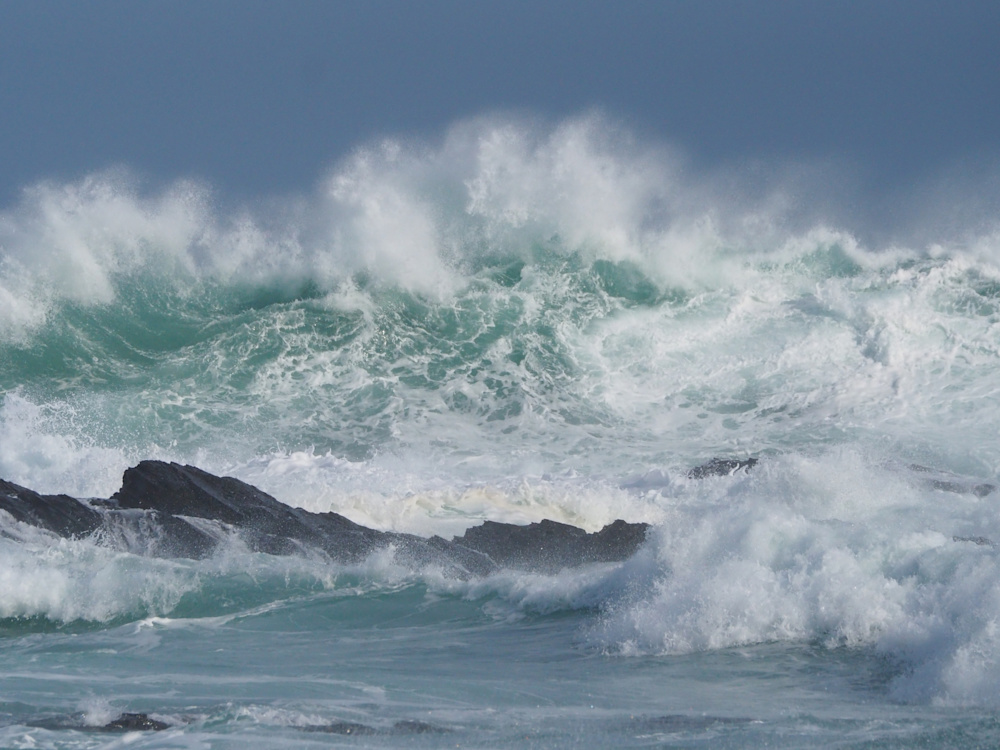
How to Prepare for a Typhoon in Japan
Typhoons can be serious, and you need to be ready. So what does that actually look like in practice? Let's break down what you should do before, during, and after a typhoon hits your area.
Before a Typhoon Hits
Here's what you should do when typhoon season approaches or when forecasts show a storm heading your way:
Stock up on essentials
To start, you’ll need enough food and water to last at least three days without leaving your home.
Non-perishable items are key here. Think canned goods, instant noodles, rice, packaged snacks, and similar foods that don't require refrigeration.
Also, don't forget about your pets if you have them. For water, plan on about 3 liters per person per day for drinking and basic hygiene needs.
Prepare a proper emergency kit
Preparing an emergency kit goes beyond just stocking up on food and water. A comprehensive emergency survival kit should include a flashlight (with extra batteries), a portable radio, first aid supplies, any necessary medications, important documents in a waterproof bag, some cash, and a portable phone charger or power bank.
Keep everything in an easily accessible bag or backpack, stored somewhere you can reach quickly. This should be near your planned emergency exit route, which you should also identify in advance.
Know where to go and how to meet up with family
If you live with family or roommates, discuss what you'll do if a typhoon hits during work or school hours. How will you communicate? Where will you meet? Having these conversations in advance prevents confusion during an actual emergency.
Once you agree on how to get together, find out the location of your nearest evacuation center. In Japan, these are typically schools or community centers that have been designated as emergency shelters. The addresses are usually listed on your city or ward's website, and you can also find them on hazard maps.
Secure outdoor items
This is a really important one. Strong typhoon winds can turn everyday objects into dangerous projectiles.
So, bring anything from your balcony or yard inside, like potted plants, bicycles, laundry poles, and outdoor furniture.
If something absolutely can't be moved inside, make sure it's securely tied down. Trust us, you don't want your bicycle becoming a flying hazard that damages property or hurts someone.
Secure your home
Last but definitely not least, secure your home.
Make sure your windows close properly and that there are no obvious weak points where water might get in. Some people even board up windows if a particularly strong typhoon is forecast, though this is more common in areas that regularly see violent typhoons.
During a Typhoon
When the storm is actually happening, your main job is to stay safe and ride it out. Here's what this means:
Stay indoors and avoid certain areas
This should go without saying, but do not go outside during a typhoon unless you absolutely must evacuate. The moment-to-moment status of the wind and rain can be deceiving, as sometimes there's a calm period (the eye of the storm) followed by more intense weather.
Even if you have to evacuate, stay away from rivers, beaches, lakes, and coastlines. Storm surge and flooding can happen very quickly. Also, avoid any areas where you see fallen trees, utility poles, or power lines. Downed power lines are extremely dangerous and can be hidden under water or debris.
Prepare at home
Make sure all your devices are fully charged before the storm intensifies. If the power goes out, you'll want your phone to stay in touch with emergency services or check updates. That portable charger from your emergency kit comes in handy here.
Also, here's a practical tip many people don't think about: Set your freezer to the coldest setting before the typhoon hits. If the power goes out, this buys you more time before food spoils. Avoid opening the fridge or freezer unnecessarily during a power outage.
Listen to official information
Keep a radio or your phone tuned to emergency broadcasts. In Japan, NHK provides continuous coverage during major disasters, and there are apps specifically designed to send emergency alerts about evacuation orders and storm updates. Setting these up before anything happens is crucial and can save lives.
After a Typhoon Passes
Just because the wind has stopped doesn't mean all the danger has passed. Here's what to keep in mind once the storm is gone:
Stay away from water: Even after the typhoon is gone, rivers, lakes, and beaches remain extremely dangerous. Water levels can still be high, currents can be strong, and debris in the water poses risks. Wait at least a day or two before going near any bodies of water.
Avoid mountainous areas: Heavy rain from typhoons saturates the ground, which dramatically increases the risk of landslides. Mountainous regions can remain hazardous for days after a typhoon passes through.
Check for damage carefully: When you do venture outside, watch for hazards like broken glass, damaged structures, flooded areas, and downed power lines. Don't touch anything electrical if there's any water around it.
Document damage: If your property was damaged, take photos for insurance purposes before starting any cleanup. Contact your insurance company as soon as possible to report the damage.
Typhoon in Japan Emergency Resources
When a typhoon is approaching Japan, you need reliable, up-to-date information. Fortunately, there are several excellent resources available, and many offer English support for international residents:
The Japan Meteorological Agency (JMA): The JMA website provides official forecasts, warnings, and tracking information for all tropical cyclones affecting Japan. Their English site shows current typhoon positions, predicted paths, and intensity forecasts. This is your primary source for official information.
NHK World: A news outlet that offers comprehensive disaster coverage in multiple languages. Their app sends push notifications for emergency weather warnings, and their website has detailed information about typhoon locations and expected impacts. During major typhoons, they provide continuous live coverage with English interpretation.
Weather.com: This and similar international weather services can also track typhoons affecting Japan, and many people find their interfaces easier to navigate than government websites.
Most smartphones in Japan are also equipped to receive J-Alert emergency notifications directly from the government. These alerts will buzz your phone even if it's on silent mode, warning you about imminent dangers like evacuation orders or disaster warnings. Make sure your phone's emergency alert settings are enabled to receive these.
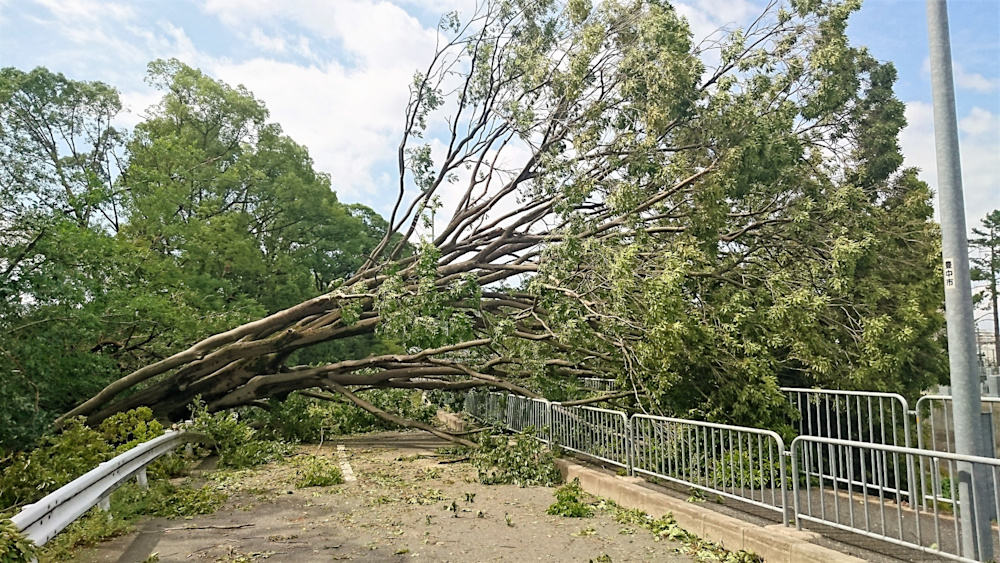
Important Tips for Typhoon Safety
In addition to the basic preparation steps we provided above, here are some additional tips that can help you stay safe and minimize damage during typhoon season:
Check Your Hazard Map
Japan has incredibly detailed hazard maps that show which areas are at risk for flooding, landslides, and other disaster-related dangers. You can access these maps online by simply entering your address.
The government's hazard map portal and NHK's hazard map tool both let you input your location and see specific risks for your neighborhood.
These maps are based on historical data and geographic analysis. If your area is marked as high-risk for flooding, take that seriously and know your evacuation route.
The Tape-on-Windows Trick
You might see some Japanese neighbors putting tape on their windows in an "X" pattern when a strong typhoon approaches. You may think it’s to keep the glass from shattering, but that’s not really true.
The tape doesn't prevent windows from breaking under strong winds, but it does help keep shattered glass from scattering everywhere if a window does break. This can reduce injuries and make cleanup safer.
We recommend using strong packing tape or specialized window protection tape and applying it in an X shape from corner to corner. Then, simply add a few additional strips horizontally and vertically if you want extra reinforcement.
Sandbags for Flood Prevention
In flood-prone areas, you'll sometimes see residents placing sandbags around the perimeter of their homes or in front of doorways. This helps prevent or slow water intrusion during heavy rain and storm surge.
Some local governments even distribute sandbags to residents before major typhoons, or you can purchase them at home improvement stores.
If you live on the ground floor or in a flood-risk area identified on your hazard map, having a few sandbags on hand during typhoon season is a good idea.
Year-Round Preparedness
While we're talking about typhoons specifically, Japan faces multiple natural disaster risks, including earthquakes, which can strike without any warning at all. Because of this, it makes sense to maintain your emergency supplies year-round rather than just during typhoon season.
Keep your emergency kit stocked and ready at all times. Rotate out food and water periodically to ensure nothing expires. Check your flashlight batteries. This way, whether it's a typhoon, earthquake, or any other emergency, you're already prepared rather than scrambling at the last minute.
How Common Are Typhoons in Japan?
So how worried should you actually be? How common are typhoons in Japan, really? The answer is: pretty common, but not necessarily as scary as they might sound.
On average, Japan experiences around 25-30 typhoons forming in the nearby Pacific waters each year, though not all of these make landfall on the Japanese islands. Typically, about 3-5 typhoons actually make landfall in Japan during a given year, with others passing close by or weakening before arrival.
The exact frequency and severity can vary quite a bit from year to year, depending on ocean temperatures, weather patterns, and other climatic factors. Some years are relatively quiet, while others see more intense activity.
The good news is that modern Japan is incredibly well-prepared for typhoons. The infrastructure is built to withstand these storms, warning systems give plenty of advance notice, and evacuation procedures are well-established.
While typhoons should definitely be taken seriously, they're a manageable part of life in Japan rather than a constant source of terror. It's surely inconvenient when trains stop running, and you can't go out, but with proper preparation, it's rarely dangerous for those who follow safety guidelines.
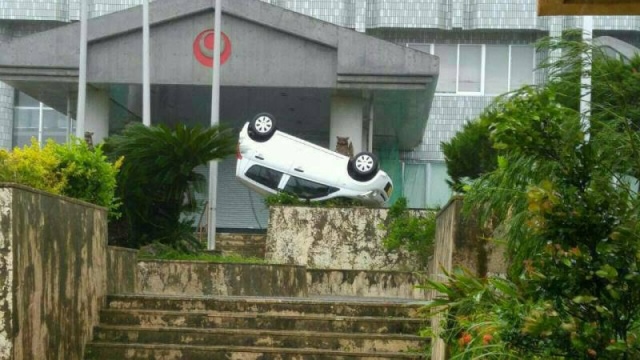
Closing Words on Typhoon in Japan
Typhoons are an inevitable part of living in Japan, especially during the summer and fall months. While they can seem daunting at first, especially if you've never experienced a tropical cyclone before, understanding what they are and how to prepare makes a huge difference in your peace of mind.
The key takeaways are pretty straightforward: Prepare before typhoon season starts, pay attention to warnings when storms approach, stay indoors during the actual typhoon, and be cautious about residual dangers after it passes.
Stock your emergency kit, know your evacuation routes, familiarize yourself with the information resources available to you, and you’re golden.
Japan's infrastructure, warning systems, and disaster preparedness culture mean that while typhoons can certainly be disruptive and occasionally dangerous, they're something the country handles effectively. By following the guidelines and tips outlined in this article, you'll be well-equipped to weather any typhoon that comes your way as well.


Japan Dev Team
This post was written by our Japan Dev editorial team.
- Senior Data Engineer - MIDAS Data Platform, Digital Bank
- Money Forward
- Tokyo
- ¥6.5M ~ ¥11M
- Client Delivery Lead
- Kraken Technologies
- Tokyo
- Senior Client Delivery Lead
- Kraken Technologies
- Tokyo
- Software Developer
- Limina
- Tokyo
- Client-Facing Solution Architect
- Visual Alpha
- Tokyo
- ¥7M ~ ¥11M




Latest Tech Jobs 🇯🇵
Explore the top developer jobs in Japan for foreigners
- Senior Data Engineer - MIDAS Data Platform, Digital Bank
- Money Forward
- Tokyo
- ¥6.5M ~ ¥11M
- Client Delivery Lead
- Kraken Technologies
- Tokyo
- Senior Client Delivery Lead
- Kraken Technologies
- Tokyo
- Software Developer
- Limina
- Tokyo
- Client-Facing Solution Architect
- Visual Alpha
- Tokyo
- ¥7M ~ ¥11M
- Senior Full-Stack Software Engineer
- Visual Alpha
- Tokyo
- ¥5M ~ ¥9M
- Senior Software Engineer (WES & Fleet Management)
- Mujin
- Tokyo
- ¥8M ~ ¥15M
- Full Stack Engineer (Applications for Robots in Home Environments...
- AI Robot Association (AIRoA)
- Tokyo
- Lead System Integration Robotics Engineer - Logistic Division
- Telexistence
- Tokyo
- Robotics Software Engineer - Motion Planning
- Telexistence
- Tokyo



Get Job Alerts
Sign up for our newsletter to get hand-picked tech jobs in Japan – straight to your inbox.

© 2026 Japan Dev. All rights reserved.
Proudly built in Tokyo.


Curated with 💙 in Tokyo by Eric Turner
All our data is gathered from publicly available sources or contributed by users