



Updated July 23, 2026
Food Poisoning in Japan: What You Need to Know
Should I be worried about food poisoning in Japan? It’s a fair question.
Japan takes food safety very seriously, but even here, food poisoning cases still happen every year. Most cases are mild and pass in a few days, though.
Still, experiencing symptoms like diarrhea or vomiting after having a meal can feel scary, especially when you’re far from home or don’t know how the medical system works. So what should you do? And can you prevent it from happening at all?
This guide covers all that and more. You’ll learn about the common types of food poisoning in Japan, how to lower your risk, what symptoms to watch for, when to try OTC medicine, when to see a doctor, and what food and drinks are easiest on your stomach while you recover.
In this article: 📝
Food Poisoning Cases by Season and Type: What’s More Common and When
If you’re asking, “Is food poisoning common in Japan?”, the short answer is yes, it happens every year.
In 2023, the country recorded 1,021 food poisoning cases that affected around 11,800 people. This was up from 962 cases and about 6,900 people affected in 2022.
More recent numbers show the trend continued. In 2024, there were 1,037 cases that sickened 14,229 people. In 2025, the numbers rose further to 1,172 cases and 24,727 people affected.
You can read the Ministry of Health, Labour and Welfare’s full 2025 report, just know that it’s only available in Japanese.
With that in mind, let’s look at the most common cases and when extra caution matters most.
Food Poisoning Cases by Type
Japan’s Ministry of Health, Labour and Welfare groups food poisoning cases into five main types: viral, bacterial, parasitic, chemical, and naturally poisonous.
Let’s break it all down so you can better understand each type and how they differ:
Type |
Example |
Where it often comes from |
Characteristics |
Viral |
Norovirus (over 60% of cases) |
Contaminated food (raw oysters, other shellfish) or surfaces, sick handlers |
Spreads fast, especially in winter; usually mild, but can be serious |
Bacterial |
Salmonella (over 2.7% of cases) |
Undercooked food (eggs, chicken), poor storage |
More common in warm weather; moderate to serious |
Parasitic |
Anisakis (over 2.4% of cases) |
Raw fish like sushi and sashimi |
Can happen any time after eating raw or undercooked fish; usually acute and painful |
Chemical |
Agricultural chemicals and other unknown causes (2.6% of cases) |
Contaminated food |
Less common, but it happens; moderate to serious |
Naturally poisonous |
Fugu (i.e., pufferfish), wild mushrooms, and other foods (0.8% of cases) |
Toxic, natural foods |
Least common, but serious when it happens |
Food Poisoning Cases by Season
Based on Japanese government data, bacterial food poisoning is most common during the summer, from June to August. The MDV hospital data found that cases start to rise in June and peak from August to September each year.
This makes sense because many food poisoning bacteria begin to grow at around 20°C, growing fastest between 35°C and 40°C. Warm air and high humidity help them spread, which makes the rainy season even worse, as it gives bacteria better conditions to multiply in food.
Viral food poisoning peaks in winter, particularly between November and March, when norovirus spreads more easily. Unlike bacteria, viruses can survive for long periods in cold, dry conditions. Once ingested, they quickly multiply in the gut.
That said, some food poisoning risks exist year-round. Raw seafood, for example, can cause problems in any season. Parasitic food poisoning, such as anisakiasis, don’t follow seasonal patterns, nor do cases caused by chemicals or natural toxins. These food poisoning cases in Japan are usually linked to certain foods or cooking methods, rather than the time of year.
How to Avoid Food Poisoning in Japan
About 10% of food poisoning cases happen at home. The easiest way to reduce risk is to make food safety part of your normal routine rather than treating it as extra effort.
Paying attention to labels, storing and cooking food properly, keeping things clean while cooking, and handling leftovers carefully can all significantly lower the risk.
Here’s some advice worth keeping in mind:
Shopping Tips for Food Safety
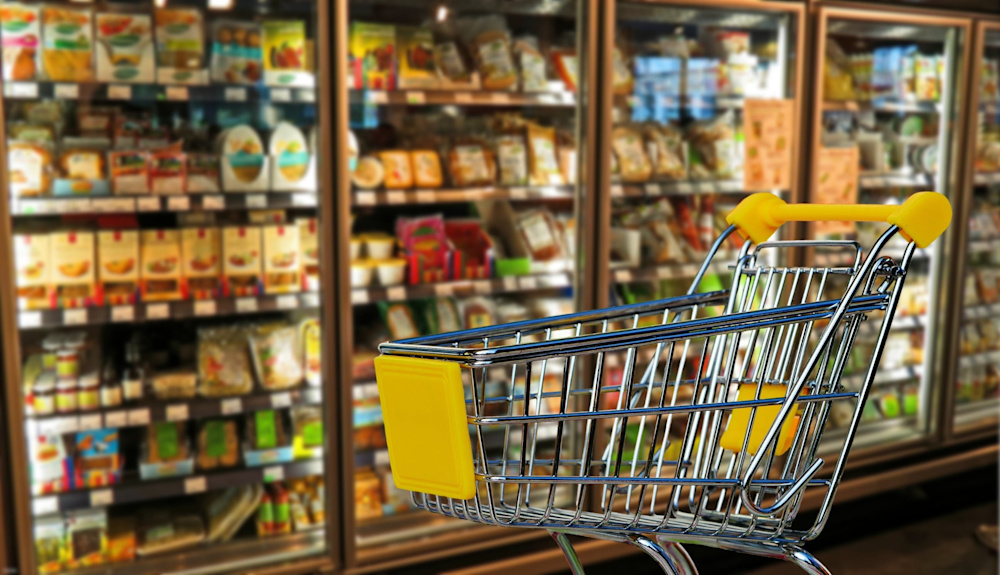
Check the expiry dates of every product when out shopping and choose those that are still well within their safe period. Bag raw meat and fish separately so juices don’t contaminate other foods.
Leave refrigerated and frozen items until the end of your shopping trip so they stay cold as long as possible. This matters more than you think, especially on a hot day or if you have a long trip back home.
Luckily, some grocery stores in Japan help with this by offering free ice cubes or small amounts of dry ice for customers who need to keep food cold or frozen on the way home. Just keep in mind that some of these stores have strict rules around it, like setting limits on how much you can take. Because not all stores offer this handy service, it’s a good idea to bring your own cooler bag if your trip home will take a while.
Store Food Properly as Soon as You Get Home
Once you get home, don’t leave everything sitting out.
Meat, fish, dairy products, ready-made dishes, and other perishable foods should go straight into the refrigerator or freezer. Avoid overloading it so that cold air can circulate properly.
Refrigerated items should stay below 50°F (10°C), and frozen goods should be stored at 5°F (-15°C) minimum. If food sits at the wrong temperature, bacteria can grow quickly, so ensure your fridge and freezer are working correctly.
And before you touch any food, wash your hands first.
Keep Your Hands and Kitchen Clean
Wash your hands thoroughly with soap and water before cooking, after using the toilet and blowing your nose, after changing diapers or touching animals, and before and after handling raw meat, fish, or eggs.
Wash vegetables and other produce thoroughly under running water, including pre-cut items. And use separate knives and cutting boards for meat, fish, and fruits/vegetables to prevent cross-contamination.
After use, wash everything properly, and if possible, disinfect knives and cutting boards with boiling water or kitchen bleach.
Cook Meat and Fish Thoroughly
Cooking is where a lot of risk can be avoided.
Meat and fish should be cooked all the way through, reaching ~167°F (~75°C) at the center for at least one minute. This helps kill harmful bacteria and makes food safer to eat. The same rule applies when reheating leftovers, as food that’s only partly warmed may still carry risk.
That said, Japan has some of the highest standards for raw fish preparation. Strict cold-chain management, mandatory freezing for many types of fish that carry a risk of parasites (like salmon), and hygiene training for sushi chefs all help lower the risks compared to many other places.
Still, lower risk doesn’t mean zero risk, so food poisoning from raw fish (like Anisakis) is a possibility.
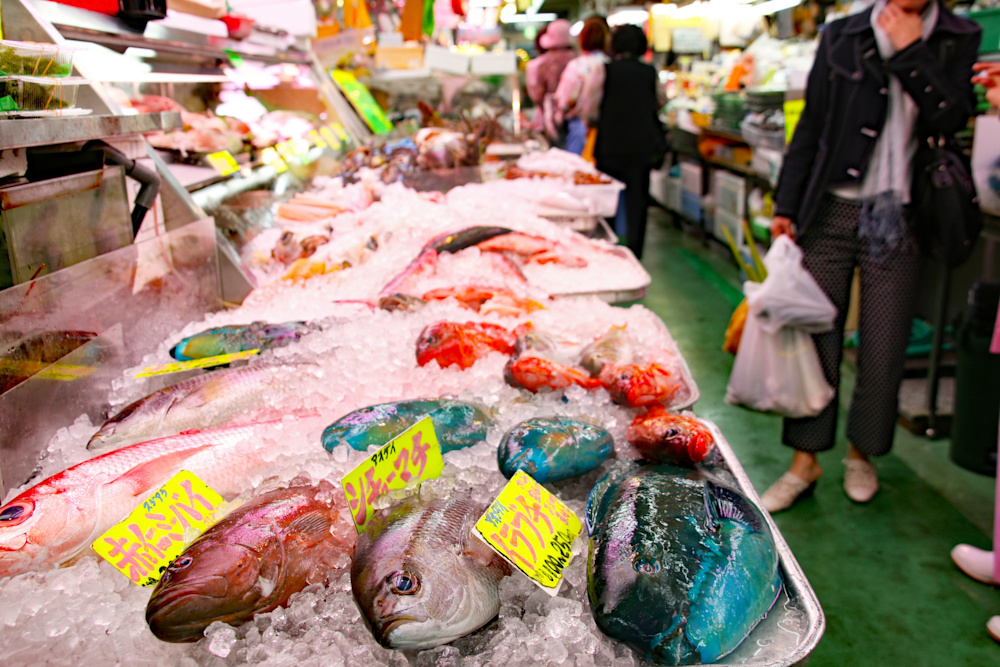
Tips for Eating Raw Fish When Pregnant
Unlike in the US, UK, or Australia, Japanese doctors won't advise you to avoid sushi while pregnant. The focus is on managing mercury intake, not a full ban.
Some fish (swordfish, bigeye tuna, bluefin tuna, and golden eye snapper) are flagged for limited consumption due to higher mercury levels, which can affect a developing baby's nervous system. Common sushi options like salmon, sea bream, squid, and shrimp have no specific restrictions under Japanese guidelines.
Store Leftovers After Eating
Many families in Japan make a big pot of curry because the flavors taste even better the next day as the sauce thickens and the ingredients release more taste. However, this carries a real food poisoning risk, caused by a bacteria called Clostridium perfringens (ウェルシュ菌 in Japanese).
This bacteria often comes from raw meat and root vegetables, which are both common curry ingredients. The issue is that it can survive cooking, and then “wake up” and multiply if the pot cools slowly.
That’s why leaving curry out overnight (or any other food with meat, fish, and veggies) is a bad idea, even if you plan to reheat it the next day.
To stay safe, don’t leave cooked food sitting at room temperature for long. Once it has cooled enough to be stored safely, store it in a clean container before refrigerating or freezing. If it’s a large amount, split it into small, shallow containers.
When reheating, make sure food is hot all the way through (bring it to a boil if possible), not just warm on the surface. If something has been sitting out too long or seems even slightly questionable, throw it away.
With leftovers, it’s always better to be cautious than to risk getting sick.
Tips for Using Bento Boxes in Summer
Summer heat makes bento lunch boxes riskier for food poisoning because the time between cooking and eating gives bacteria a chance to grow. Bacteria grow between 10°C and 60°C, but they multiply fastest between 20°C and 40°C, and moisture only makes things worse.
To protect yourself while still enjoying the convenience of bento boxes, keep these tips in mind:
Make sure that your hands, lunch box, and utensils are clean and dry.
Go for low-moisture dishes with strong flavors (stir-fries, grilled items, deep-fried foods, simmered sides like kinpira gobo) and avoid raw or undercooked foods like sashimi, raw eggs, and raw vegetables and high-water dishes like soups.
Cook food all the way through. Meat, fish, and eggs should reach 75°C for at least one minute at the center.
Let all food cool completely before packing.
Use silicone or aluminum cups to separate wet and dry foods.
Add ice packs above or below the box to keep lunch cooler for longer.
Carry the box in an insulated bag and don’t leave it in direct sunlight and hot spots like a car dashboard.
And, of course, after you finish eating, wash the lunch box right away and throw out any leftovers.
What Are the Symptoms of Food Poisoning?
If you got food poisoning in Japan, the symptoms you experience depend on the exact cause.
A viral infection often brings sudden vomiting and diarrhea. Bacterial infections usually cause bad stomach cramps along with diarrhea and fever, while a parasitic infection from raw fish might cause sharp stomach pains hours after finishing a meal.
Cause |
Common symptoms |
When it starts |
How long it lasts |
Norovirus |
Vomiting, diarrhea, nausea, stomach pain, low fever |
12-48 hours |
1-3 days |
Campylobacter |
Diarrhea, fever, stomach pain, nausea, vomiting |
24-72 hours, sometimes over a week |
About 1 week |
Salmonella enterica |
Diarrhea, nausea, vomiting, stomach pain, fever, headache |
6 hours to 6 days |
4-7 days |
Staphylococcus aureus |
Nausea, vomiting, stomach pain, diarrhea |
30 minutes to 8 hours |
Under 24 hours to 2 days |
Vibrio parahaemolyticus |
Diarrhea, vomiting, stomach pain, fever |
4-96 hours |
2-3 days |
Enteropathogenic E. coli |
Diarrhea, nausea, vomiting, stomach pain, fever |
Hours to a few days |
A few days to over 1 week |
Clostridium botulinum |
Trouble swallowing, blurred vision, slurred speech, trouble breathing |
12-36 hours |
Days to weeks |
Anisakis |
Sharp stomach pain, nausea, vomiting, sometimes hives |
A few hours or longer |
Hours to a few days, unless the larva is removed sooner |
Natural toxins like puffer fish toxin or poisonous mushrooms |
Numb lips, vomiting, weakness, trouble walking, trouble breathing |
Minutes to a few hours |
Until treated |
What to Do if You Get Food Poisoning in Japan
Most cases are mild and can be resolved with rest, fluids, bland foods, and medicine you can find at drugstores or pharmacies.
The first step is deciding whether symptoms are mild or serious.
Consider resting at home with OTC meds from a drugstore or pharmacy if you experience:
Mild nausea without repeated vomiting
A low fever under 38°C (100.4°F)
Light stomach cramps
Loose stools only a few times in 24 hours (no blood)
If your symptoms are more serious or last longer than 2 days without improvement, you should seek medical care as soon as possible. These include:
Persistent vomiting that prevents keeping fluids down
A fever over 38.5°C (101.3°F)
Severe stomach pain
Diarrhea more than 6 times in 24 hours
Blood in your stool
No urination for many hours
Dizziness when standing
A skin rash or neurological changes
These signs can point to dehydration or something more serious. For more on navigating Japan’s medical system, take a look at our personal guide for expats on Japan’s healthcare system.
If you’re pregnant, elderly, or immunocompromised, you should see a doctor on the first day, regardless of the seriousness of the symptoms. The same goes for children.
What to Eat and Drink After You Get Food Poisoning
Japan has plenty of convenient options to help you recover from food poisoning. Here’s what tends to work well for food and fluids, and which OTC meds are commonly used.
What to Drink After Food Poisoning in Japan
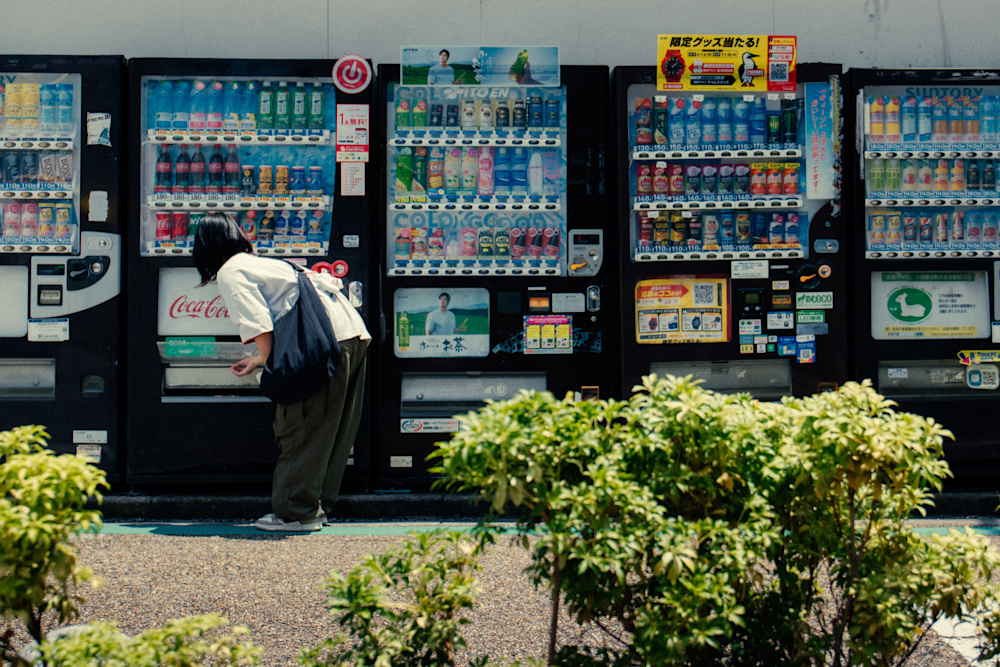
Replacing fluids and electrolytes you’ve lost through vomiting or diarrhea is the first priority.
Plain water helps, but sports drinks work better because they put salt and minerals back into your system. Take small sips throughout the day instead of drinking too much at once.
These popular drinks are widely available at convenience stores and vending machines across Japan:
What to Eat After Food Poisoning in Japan
Once you can keep fluids down, start with bland, easy-to-digest foods.
A “bland diet” generally means mild in flavor, not spicy, low in fiber, soft in texture, and easy on the stomach. Here are some recommendations:
Rice porridge or gruel (お粥, okayu)
Plain udon (うどん, udon)
Lightly seasoned clear soups such as miso soup (味噌汁, miso shiru), seaweed soup ( ワカメスープ, wakame sūpu), and Chinese-style egg drop soup (卵スープ, tamago sūpu)
Cooked spinach, potatoes, and carrots (ほうれん草, hōrensō or じゃがいも, jagaimo or 人参, ninjin)
Tofu (豆腐, tōfu)
Boiled eggs (ゆで卵, yudetamago)
Steamed egg custard, a savory steamed egg custard dish (茶碗蒸し, chawanmushi)
Skinless chicken or fish (皮なしチキン, kawanashi chikin or 魚, sakana )
BRAT diet (bananas, white rice, apples, and toast) (バナナ, banana or 白米, hakumai or りんご, ringo or トースト, tōsuto )
Probiotic yogurt may also help reduce bowel movement frequency for those who aren’t lactose intolerant.
Start with small portions of food spread throughout the day so your stomach can adjust before returning to your normal diet.
Japanese Medicine for Food Poisoning: OTC Meds
Several over-the-counter medicines are used for food poisoning treatment in Japan.
Seirogan is one of Japan’s most traditional stomach medicines, often used for loose stools and diarrhea. It has a very strong and distinctive smell, something worth knowing before purchasing if you’re sensitive to odors. (Wakamatsu Shishayaku Tablet is a good alternative if you’d prefer something without the strong smell!).
Stoppa Anti-Diarrhea Medicine EX is another well-known option, particularly for diarrhea accompanied by abdominal pain.
For mild bloating or loose stools, an intestinal regulator might be more appropriate. Rather than stopping diarrhea directly, these work by adding good bacteria back into your stomach to support gut flora.
Shin Biofermin S Tablets use three types of human-derived lactic acid bacteria to improve intestinal health and block harmful germs.
Bios Three H has three active bacteria, including butyrate-producing bacteria and lactomin, and comes in powder form for those who hate swallowing pills.
In the next section, I’ll cover what to do when you experience more serious symptoms that can’t be treated with OTC meds.
What to Do for Emergencies That Can’t Be Self-Treated
Sometimes, home treatment isn’t enough. If you experience any of the more serious symptoms listed above (persistent vomiting, blood in your stool, etc.), you need urgent care right away.
If you’re worried about not being able to explain your condition due to the language barrier, there are English-speaking hospitals in Tokyo and other major cities in Japan.
However, if you’re in a small town or don’t have such a hospital nearby, getting treated quickly is more important than finding perfect English support. Some hospitals have staff who speak basic English, and if not, translation apps can help, or you can ask for phone interpretation support.
Not sure if your situation requires urgent care or if you just want some advice? Online doctors like OH Doctor, Cloud Doctor, and Go Online Doctor Japan are available around the clock for a medical consultation and even medication prescription.
If you want to learn more about how emergency care works in Japan, these two guides can help: Emergency Contact Numbers in Japan and Going to the Emergency Room in Japan.
One more thing to keep in mind: most pharmacies in Japan close at night, though some drugstores stay open longer. Depending on your location and the time, it may be more practical to grab basic OTC medicine so you can get through that night before seeing a doctor during regular business hours and getting prescription medication if necessary.
What to Tell the Doctor: Food Poisoning Terms and Phrases
If English-speaking staff aren’t available nearby, knowing some basic food-poisoning-related terms can help a doctor understand your situation quickly and accurately.
The most important info you should provide is your main symptoms, when they began, what you ate before getting sick, and how intense the symptoms feel right now.
Here are some of the most useful terms you should know:
Food poisoning - 食あたり (shoku atari) or 食中毒 (shokuchudoku)
Nausea - 吐き気 (hakike)
Throw up/Vomit - 吐く (haku)
Diarrhea - 下痢 (geri)
Loss of appetite - 食欲不振 (shokuyoku fushin)
Stomach ache - 腹痛 (fukutsuu)
Fever - 熱 (netsu)
Stomach medicine - 胃腸薬 (Ichouyaku)
Dehydration - 脱水 (dassui)
Bloody stool - 血便 (ketsuben)
Dizziness - めまい (memai)
Allergy - アレルギー (arerugī)
Rash - 発疹 (hasshin or hosshin)
Helpful phrases to say or show clinic staff:
I started feeling sick last night - 昨日の夜から具合が悪いです (kinō no yoru kara guai ga warui desu)
My symptoms started this morning - 今朝から症状があります (kesa kara shōjō ga arimasu)
I ate raw fish - 生の魚を食べました (nama no sakana wo tabemashita)
I ate sushi - 寿司を食べました (sushi wo tabemashita)
I ate oysters - カキを食べました (kaki wo tabemashita)
I ate undercooked chicken - 火が十分通っていない鶏肉を食べました (hi ga jūbun tōtte inai toriniku wo tabemashita)
Final Thoughts on Food Poisoning in Japan
Getting sick in a foreign country is an incredibly vulnerable experience, particularly when dealing with something as physically draining as food poisoning. That’s why it’s better to be prepared for that possibility rather than panic and scramble when the dreaded symptoms hit.
To recap:
Food poisoning cases in Japan can happen year-round, but they're most common in summer and winter.
Main types: viral, bacterial, parasitic, chemical, and naturally poisonous.
When shopping, check expiry dates, keep raw meat and fish separate from other groceries, and leave refrigerated or frozen food until the end of your shopping trip.
Once you get home, meat, fish, dairy, ready-made meals, and other perishables should go straight into the fridge or freezer.
Wash your hands regularly and keep the kitchen clean.
Cook meat and fish thoroughly.
Don’t leave cooked food sitting out too long.
For mild symptoms: rest, fluids, bland foods, and over-the-counter medicine
For serious symptoms: call or visit a doctor.
Save this guide in your phone, and go back to enjoying the beautiful country of Japan.


Japan Dev Editorial Team
Guides and articles about tech and life in Japan from our Japan-based editorial team. Articles are researched from Japanese government sources and our standards are overseen by Manami Turner, Co-founder of Japan Dev.
- Delivery Manager, LINK Ecosystem
- Moneytree
- Remote
- ¥8M ~ ¥10M
- Software Engineer – Open Position (Robotics / Backend, C++)
- Mujin
- Tokyo
- ¥8M ~ ¥15M
- Senior Software Engineer, Satellite Operations System Development...
- Axelspace
- Tokyo
- ¥6M ~ ¥9M
- Senior DevOps Engineer - Build Systems & CI
- Mujin
- Tokyo
- ¥10M ~ ¥13M




Latest Tech Jobs 🇯🇵
Explore the top developer jobs in Japan for foreigners
- Delivery Manager, LINK Ecosystem
- Moneytree
- Remote
- ¥8M ~ ¥10M
- Software Engineer – Open Position (Robotics / Backend, C++)
- Mujin
- Tokyo
- ¥8M ~ ¥15M
- Senior Software Engineer, Satellite Operations System Development...
- Axelspace
- Tokyo
- ¥6M ~ ¥9M
- Senior DevOps Engineer - Build Systems & CI
- Mujin
- Tokyo
- ¥10M ~ ¥13M
- Senior Product Engineer (Partner Product Development Department)
- Money Forward
- Tokyo
- ¥6.9M ~ ¥10M
- Senior Software Engineer
- MeetsMore
- Tokyo
- ¥7.5M ~ ¥10M
- Senior Backend Engineer
- Tokenz
- Tokyo
- Senior Accounting Engineer / 財務データ基盤エンジニア
- KOMODO
- Tokyo
- Tech Lead Engineer (Voice/Speech)
- Geniee
- Tokyo
- ¥7M ~ ¥16M





Get Job Alerts
Sign up for our newsletter to get hand-picked tech jobs in Japan – straight to your inbox.

© 2026 Japan Dev. All rights reserved.
Proudly built in Tokyo.


Curated with 💙 in Tokyo
All our data is gathered from publicly available sources or contributed by users