



Updated April 21, 2025
How To Get Medical Care in Japan
Let’s face it — getting sick or injured in a foreign country can be scary. But Japan’s healthcare system is actually quite easy to navigate once you know the basics.
In this guide, we’ll break down everything you need to know to get medical help in Japan, even if you don’t speak Japanese.
Whether it’s a quick trip to the local clinic, finding a pharmacy for over-the-counter medicine, or dealing with emergencies, we’ve got you covered. Health is no joke, so let’s dive in and make sure you are prepared for anything and everything.
In this article: 📝
What Happens If I Get Sick in Japan: Where Should You Go
In Japan, the type of medical facility you visit depends on the severity of your condition.
Clinics (診療所 / Shinryōjo): Suitable for minor illnesses or injuries, clinics are typically smaller and may specialize in a specific medical field. Medical clinics have shorter wait times and are often easier to access than hospitals. They’re ideal for conditions like colds, mild fevers, or routine checkups.
Hospitals(病院 / Byōin): Larger institutions with at least 20 beds that are equipped to handle serious or complex medical cases are classified as hospitals. Hospitals typically have advanced diagnostic tools and specialists in various fields, making them the best choice for surgeries, serious injuries, or severe illnesses.
In addition to these, you also have drugstores at your disposal, which are more widely available.
Drugstores
If your condition doesn’t require a doctor's intervention, you can visit a drugstore. You’re allowed to purchase over-the-counter medication for minor ailments such as headaches, colds, or minor skin irritations without a prescription.
Drugstores often carry a wide range of health products, including vitamins and medical supplies, so you just might be able to find a solution to your problem there.
Drugstores are widely available all over cities, usually located near train stations or shopping areas. Some drugstores even offer services like free blood pressure measurements or consultations with pharmacies. So, remember to check out your local drugstore next time you have a mild medical concern.
To spot drugstores, look for signs that say "ドラッグストア (Drugstore)" or "薬局 (Yakkyoku)."
Common Specialist Clinics: Japan Medical Treatment Fields
Japan offers a wide variety of specialist clinics tailored to address specific health concerns. Let’s explore some of the most common ones and what they specialize in:
Internal medicine - Naika (内科): Internal medicine is your first stop for diagnosing and managing general health concerns or dealing with stubborn colds and chronic conditions like high blood pressure. This is also where you go for routine checkups or long-term disease management.
Surgery—Geka(外科): From minor procedures like removing cysts to major operations, surgeons treat injuries and conditions that require surgical intervention.
Gynecology—Sanfujinka (産婦人科): Gynecologists focus on women’s health, offering everything from routine checkups to specialized care during pregnancy.
Ophthalmology—Ganka(眼科): Ophthalmologists treat a range of eye conditions. Whether you need glasses, help managing serious conditions like glaucoma, or your eye feels itchy, they are the people you go to.
Otorhinolaryngology - Jibiinkouka(耳鼻咽喉科): If you’re having trouble hearing or dealing with a sore throat, an ENT specialist can help. They treat issues related to the ears, nose, and throat, including sinus infections and tinnitus.
Pediatrics - Shounika(小児科): Pediatricians specialize in caring for children, from newborns to teenagers. They provide vaccinations, monitor growth, and handle childhood illnesses.
Urology - Hinyoukika(泌尿器科): If you’re dealing with urinary discomfort or suspect kidney stones, a urologist can diagnose and treat problems in the urinary tract, as well as the male reproductive system.
Dermatology - Hifuka(皮膚科): Dermatologists are skin experts who can also address hair and nail issues. This is where you go for itchy rashes or acne that won’t go away.
Psychiatry - Seishinka(精神科): Psychiatrists help with issues like anxiety, depression, or more complex mental disorders. They offer both counseling and medication to support your mental well-being.

Can Foreigners Get Healthcare in Japan’s Hospitals: The Letter of Introduction
In Japan, many hospitals require a letter of introduction, which is a referral letter from a clinic or a specialized care doctor.
Essentially, this letter explains your conditions and why you need hospital treatment. Without this letter, you often face much higher consultation fees, but this isn’t the only consequence of not having a letter of introduction.
Without a proper referral, seeing a doctor at a hospital here can take a long time. While Japanese hospitals are highly capable and offer a range of departments and facilities to address various needs, accessing care at these hospitals is often nearly impossible unless another doctor has already determined that your case warrants a hospital visit.
Speaking of which, it’s always a good idea to visit a clinic first to determine if hospital care is necessary. Clinics can then guide you to the right department or specialist at the hospital with a proper referral letter.
With this in mind, let’s see what the process of seeing a doctor or specialist at a clinic is like.
The Process To Getting Medical Treatment At a Clinic
Navigating the healthcare system in Japan is quite easy once you know the steps. Here’s what you need to know about the process.
Do you need an appointment?
Many clinics in Japan accept walk-ins, but it’s always a good idea to call ahead, especially if you’re feeling unwell with a fever or other symptoms that might require special care and handling.
Additionally, some clinics might need time to prepare for cases involving contagious illnesses, such as COVID-19. They also might give you directions on how to prepare for your visit beforehand.
Making an appointment ensures not only that you’ll be seen promptly and avoid unnecessary waiting times but also that you’ll be provided with the right care without any delays.
What To Bring With You
For your doctor's visit to go as smoothly as possible, here’s what you should bring:
Insurance Card (保険証 / Hokenshō): This card allows you to access care at reduced rates if you’re enrolled in Japan’s national health insurance system.
Patient Registration Card (診察券 / Shinsatsuken): If this is your first visit, the clinic will issue you this card. Be sure to keep it safe for future visits.
Medical Booklet or Medicine Diary (薬手帳 / Kusuri Techō): This handy booklet keeps a record of all your prescriptions, making it easier for healthcare providers to track your medical history and prevent potential drug interactions.
Payment Methods
While Japan is often seen as a cash-based society, many clinics and hospitals now accept credit cards and digital payment methods, such as Suica or PayPay. That being said, it’s still a good idea to carry some cash, especially when visiting smaller clinics that might not have digital payment options.
Hospitals, on the other hand, are much more likely to offer credit card services, and some even provide cashless settlements if your insurance supports it.
Speaking of which, having foreign travel health insurance or being covered by insurance here in Japan will cover any unexpected medical expenses. Yes, it’s true that ambulances are free for everyone in an emergency (save for a few exceptions), but you’ll need to pay for the medical treatment you receive at the hospital or clinic if you aren’t insured.
Keep in mind that if you’re in the Ibaraki Prefecture, you may be charged for the ambulance ride if your request is deemed non-urgent later on. Similarly, we should also note that if you call an ambulance in Matsusaka City, Mie Prefecture but aren’t hospitalized afterward, you’ll be charged a fee.
How To Get Medical Treatment in Japan at a Hospital
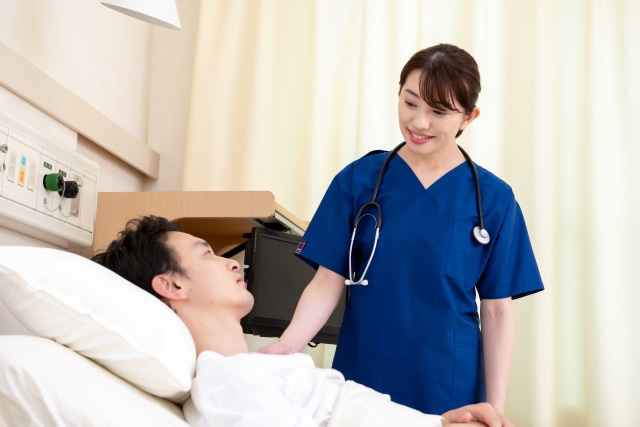
While a hospital visit can feel a bit intimidating, the process is pretty straightforward if you know what to expect.
Preparing and Making an Appointment
As we explained, many hospitals in Japan require a letter of introduction from a clinic explaining your conditions and why you need hospital treatment.
So, in addition to the documents you need for clinic visits, you also need to have this document with you during your visit.
While some hospitals accept walk-ins, especially for emergencies, it’s always best to make an appointment.
Many hospitals have an online booking system or a phone line. The online booking systems are easy to navigate (you can use your browser to translate), but you might need help from a Japanese-speaking friend or translator to navigate the latter.
During Your Hospital Visit
Once you arrive, head to the reception desk to fill out some basic forms that the staff will hand you. After that, they’ll guide you to the appropriate department.
Depending on the time of day and the hospital's size, you might have to wait for your turn, so bring a book or something to pass the time.
Once they call your name, a doctor will review your condition, possibly run some tests, and recommend a treatment plan. If additional procedures or follow-up visits are needed, they’ll explain the next steps as well.
After your consultation, simply head to the payment counter. As we said, many hospitals now accept credit cards and digital payments, but it’s always a good idea to have some cash on hand, just in case.
Lastly, if your doctor has prescribed you any medications, you’ll also receive your prescription to take to a nearby pharmacy as you’re leaving.
Where To Get Medication: Japan Medical Treatment
In Japan, prescription medications are dispensed at pharmacies (薬局 / Yakkyoku), which are conveniently located near most clinics and hospitals.
In some cases, the clinic where you receive your prescription might also have a dispensary on-site, in which case you’ll receive your medication immediately.
Oftentimes, this isn’t the case.
If you aren’t sure where the closest pharmacy is, simply ask the clinic staff —they’ll point you in the right direction and sometimes even provide a small map for you showing the nearest one.
Pharmacies in Japan are easy to find, often marked with green crosses or signs that say “薬” (medicine). While pharmacies are different from drugstores that strictly sell over-the-counter medication, they also sell over-the-counter medication if you need it.
Once you spot a pharmacy near you, all you have to do is bring your prescription (処方箋 / Shōhōsen) and medical booklet (薬手帳 / Kusuri Techō).
Receiving Your Medication and “Generic Medicine”
Upon handing over your prescription and medical booklet to the pharmacist, they’ll prepare your medication right away and explain how to take it. This often includes detailed instructions for timing and dosage as well.
If there’s a generic alternative to the prescribed medication, the pharmacist will usually ask if you want to get that one instead.
Generic medicines (ジェネリック薬 / Generic-yaku) are affordable alternatives to brand-name drugs. These generics have the same active ingredients and effectiveness, making them a great option if you’re looking to save money.
So, if you’re looking for a cheaper alternative or if the prescribed medicine feels too expensive, you can ask the pharmacist if they have a generic version of your prescribed medication yourself.
Additional Information Regarding Pharmacies
Keep in mind that unless you’re getting your medication directly through the clinic's dispensary, you’ll have to pay for it yourself at the pharmacy. Once again, keeping cash at hand is a good idea, although many pharmacies nowadays accommodate digital payments.
Also, while we’ve clearly distinguished between drugstores and pharmacies, it’s good to know that pharmacies are more than just places to pick up prescriptions— they’re also great for non-prescription items like vitamins, cold remedies, and even skin care products.
Finally, if you’re unsure whether a certain medicine requires a prescription or you don’t have one but need an over-the-counter solution to your illness, the pharmacist will be happy to guide you. Pharmacists and the pharmacy staff are quite knowledgeable and can offer recommendations for minor health issues like a sore throat or a seasonal allergy on the spot.
If this is the case and you don’t speak Japanese, I recommend visiting a centrally located pharmacy or one near a main train station. You have much better luck finding an English-speaking pharmacist around these areas.
How Can I Get Medical Assistance In Japan Outside Of Business Hours?
For medical emergencies outside regular hours, call 119, the number for medical emergencies. This service is available 24/7, and ambulances are free for everyone, regardless of nationality.
However, keep in mind that you’ll still be responsible for any medical bills you may be charged at the hospital you’re taken to.
If your situation isn’t life-threatening but still requires urgent care, you can look for emergency outpatient clinics. These facilities are specifically available for after-hours care and can handle a variety of medical needs.
Emergency outpatient clinics are also very easy to find. You can simply look them up online. In fact, here are some useful keywords to help you do just that.
Medical institutions that operate on holidays - 休日医療機関 / Kyuujitsu Iryō Kikan
Holiday and nighttime medical care - 休日・夜間診療 / Kyuujitsu・Yakan Shinryō
Emergency medical care - 急患診療 / Kyūkan Shinryō
Additionally, cities and prefectures offer multilingual support to guide you through emergencies. It’s a good idea to check your ward office website and keep a list of nearby clinics and hospitals that offer emergency care, along with their contact information.
Here is a list of emergency medical care providers and hospitals in some of Japan’s most populated cities/areas:
Tokyo Medical Association (Only available in Japanese)
Key Phrases to Communicate With Medical Staff: Japan Medical Treatment Words and Phrases

If there’s no English-speaking medical staff, having your important medical details written down in Japanese can be a real lifesaver. Not only will it help ensure smooth communication, but it’ll also save you time and prevent any confusion.
Here’s what you want to have ready in general:
Name (名前 / Namae): Your full name is written on your official documents.
Blood type (血液型 / Ketsuekigata): This is one of your most crucial medical information, especially for emergencies.
Illnesses currently being treated (治療中の病気 / Chiryōchū no Byōki): Details of any ongoing medical treatments.
Medications currently being taken (最近飲んでいる薬 / Saikin Nondeiru Kusuri): Include both prescription and over-the-counter drugs.
Allergies (アレルギー / Arerugī): Known allergies, especially to medication.
Medical history (病気の歴史 / Byōki no Rekishi): Brief details of past illnesses or surgeries.
Religion (宗教 / Shūkyō): Useful if certain treatments or procedures might conflict with your beliefs.
Emergency contact information (緊急連絡先 / Kinkyū Renrakusaki): Contact information of someone who can be reached quickly in case of an emergency.
Carrying a written copy of the information above can be extremely helpful, especially when you’re unable to communicate verbally. Some people even use translation apps or medical phrase cards to bridge the language gap, so don’t skip this if you want to be prepared.
In addition to these, knowing words and phrases that describe some of the most common medical conditions and symptoms in Japanese is also helpful. After all, in case of an emergency, describing your symptoms correctly is the best way to get medical help as quickly as possible.
Headache - 頭痛です- zutsuu desu
Chest pain - 胸が痛いです - Mune ga itai desu
Abdominal/stomach pain - 腹痛です/胃痛です - fukutsuu desu/itsuu desu
Blood in vomit/stool 吐血です/血便が出ます - toketsu desu/ketsuben ga demasu
Broken bone - 骨折です - kossetsu detsu
Burn - ひどい火傷です - hidoi yakedo desu
Allergic reaction - アレルギー反応です - arerugi hannou desu
Pregnancy-related issue - 妊娠に関する問題です - ninshin ni kannsuru mondai desu
Food poisoning - 食中毒です - syokuchudoku desu
Unconscious - 意識不明です - ishiki fumei desu
High fever - 高熱です - kou netsu desu
General injury - 怪我です kega desu
This is all we have on how to get medical care in Japan, but if you’d like to learn more about what to do in case of emergencies, check out our guide to emergency numbers in Japan.
We also have some other useful guides that cover English-speaking hospitals in Tokyo and the best English-speaking gynecologists in Japan you might be interested in.


Japan Dev Editorial Team
Guides and articles about tech and life in Japan from our Japan-based editorial team. Articles are researched from Japanese government sources and our standards are overseen by Manami Turner, Co-founder of Japan Dev.
- Senior DevOps Engineer - Build Systems & CI
- Mujin
- Tokyo
- ¥10M ~ ¥13M
- Senior Product Engineer (Partner Product Development Department)
- Money Forward
- Tokyo
- ¥6.9M ~ ¥10M
- Senior Software Engineer
- MeetsMore
- Tokyo
- ¥7.5M ~ ¥10M
- Senior Backend Engineer
- Tokenz
- Tokyo
- Senior Accounting Engineer / 財務データ基盤エンジニア
- KOMODO
- Tokyo





Latest Tech Jobs 🇯🇵
Explore the top developer jobs in Japan for foreigners
- Senior DevOps Engineer - Build Systems & CI
- Mujin
- Tokyo
- ¥10M ~ ¥13M
- Senior Product Engineer (Partner Product Development Department)
- Money Forward
- Tokyo
- ¥6.9M ~ ¥10M
- Senior Software Engineer
- MeetsMore
- Tokyo
- ¥7.5M ~ ¥10M
- Senior Backend Engineer
- Tokenz
- Tokyo
- Senior Accounting Engineer / 財務データ基盤エンジニア
- KOMODO
- Tokyo
- Tech Lead Engineer (Voice/Speech)
- Geniee
- Tokyo
- ¥7M ~ ¥16M
- Data Engineer (AI Platform/Data Infrastructure)
- PubteX
- Tokyo
- ¥7M ~ ¥12M
- Computer Vision Engineer (Object Detection & 3D Pose Estimation)
- Mujin
- Tokyo
- ¥8M ~ ¥13M
- Robotics Algorithm Engineer (Control & Motion Planning)
- Mujin
- Tokyo
- ¥8M ~ ¥13M
- Enterprise Architect, ERP Cross-Functional Engineering Department...
- Money Forward
- Tokyo
- ¥13M ~ ¥18M


Get Job Alerts
Sign up for our newsletter to get hand-picked tech jobs in Japan – straight to your inbox.

© 2026 Japan Dev. All rights reserved.
Proudly built in Tokyo.


Curated with 💙 in Tokyo
All our data is gathered from publicly available sources or contributed by users