



Updated October 2, 2026
OTC Medicine in Japan: What You Can Buy and How It Works


Getting non-prescription medicine in Japan isn’t hard once you know the rules around it, which differ from some other parts of the world.
For example, Japan uses an OTC drug classification system, the active ingredient matters more than its brand name, and the doses are usually lower than in many Western countries.
This guide walks you through what matters most when buying OTC medicine in Japan. And for medicine for kids, we have a separate guide to children’s medicine in Japan.
We’ll also explain why “over the counter” doesn’t always mean you can grab a product and head straight to the register, how drugs are classified and common OTC options, how to read a medicine label, and more.
Before we proceed, a quick disclaimer: the information in this article is meant for informational purposes only. Always check with your doctor or pharmacist for medical or medicine-related advice.
In this article: 📝
Do You Need a Prescription to Buy Medicine in Japan?
In Japan, you can buy many everyday medicines without a prescription. This includes treatments for colds, pain, fever, allergies, motion sickness, mild skin issues, and other minor health issues.
Do you need a prescription in Japan to treat more specific or serious health conditions? The answer is yes.
That said, foreign prescriptions are not accepted. Residents must visit a Japanese clinic or a hospital and get a prescription from a doctor for antibiotics, strong sleeping drugs, antidepressants, Tamiflu, EpiPen, insulin, and other controlled medicines.
Japan also has guidance-required medicines (要指導医薬品), which are usually those that recently switched from prescription to over the counter, like Pariet S. But you can’t buy these online. You can only get them at a pharmacy after having a face-to-face consultation with a pharmacist.
How Japan's OTC Drug Classification Works (Classes 1, 2, 3)
Non-prescription medicine in Japan is grouped into three risk categories:
Class 1 (第1類医薬品)
Class 2 (第2類医薬品)
Class 3 (第3類医薬品)
Before we go over each category, you should know that Japanese OTC medicines are usually lower in dosage than their overseas equivalents.
This is because people here tend to have a smaller body weight on average, and genetic differences can change how the body breaks down some ingredients. Plus, Japanese doctors usually recommend starting with a lower dose and increasing it if needed.
On top of that, the approval process for some drugs requires local clinical trials, so companies set the amounts specifically for this market.
With that in mind, here’s what each class means:
Class 1 (第1類医薬品): Pharmacist Required, Kept Behind the Counter
These medicines carry higher risks of side effects and are usually kept behind the counter.
To purchase a Class 1 medicine, a pharmacist should first explain how it works, what side effects to watch for, and whether it’s appropriate for what you’re dealing with. This means that if there’s no pharmacist on duty, you can’t make a purchase.
To check, ask "Yakuzaishi wa imasu ka?” (薬剤師はいますか?), meaning, “Is a pharmacist here?”
Class 2 (第2類医薬品): The Most Common OTC Medicines
These are the most common non-prescription drugs in Japan used to treat headaches, stomach pain, colds, allergies, and so on.
Because they carry moderate risks of side effects, you’ll find them on shelves in any drugstore and can purchase them from either a registered salesperson or a pharmacist.
Some of these fall into a subcategory called Designated Class 2, which means that you should be extra careful because of possible medicine interactions or specific side effects. Always read the label or consult a pharmacist if you’re unsure.
Class 3 (第3類医薬品): Lower-Risk Medicines With Minimal Guidance
These are low-risk medicines like vitamins, probiotics, creams, mild antacids, and eye drops. You can just grab them off the shelf and buy them without any guidance.
Common OTC Medicines and Their Japanese Equivalents
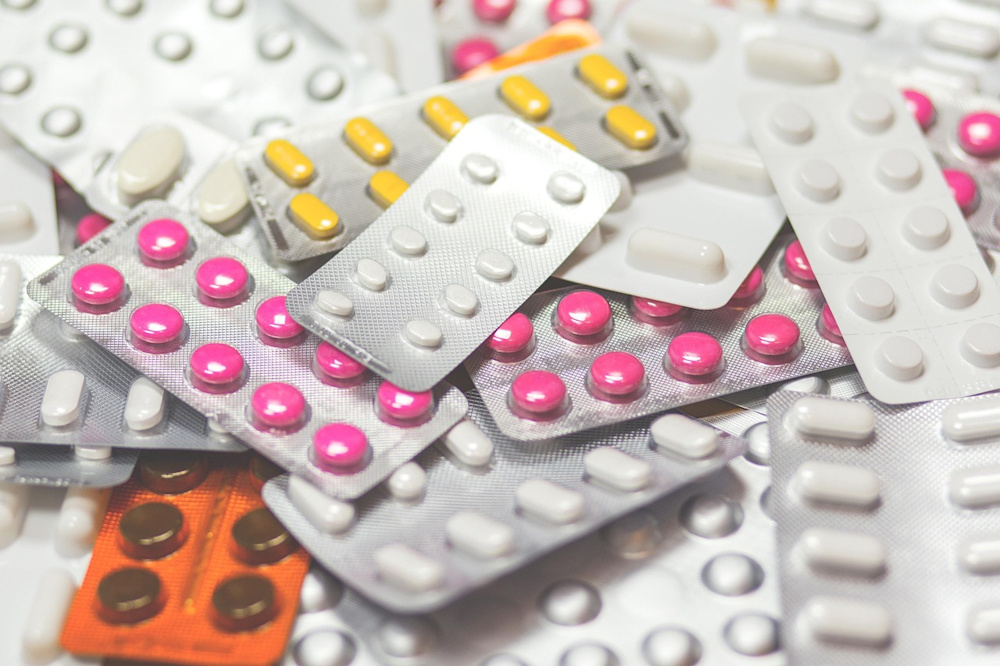
Japan uses its own naming system for active ingredients known as JAN, or Japanese Accepted Name. This is why some drugs are named differently here than in other countries.
Simply say or show the ingredient name or JAN to the pharmacist, and they will point you to the right medicine.
One important thing to note: Amphetamines (Adderall), commonly used to treat attention deficit hyperactivity disorder (ADHD) and narcolepsy, are completely banned in Japan under the Stimulants Control Act. You can’t get it even if you have a foreign prescription. This is why you should speak with your prescribing doctor well before your trip about a temporary medication switch.
As of 2024, approved medications available in Japan for ADHD include methylphenidate (Concerta), atomoxetine (Strattera), lisdexamfetamine (Vyvanse, children under 18 only), and guanfacine (Intuniv), but these must be prescribed locally by a Japanese psychiatrist.
Now, let’s go over some of the most common OTC medicines in Japan and their Japanese equivalents.
Pain and Fever Medicines
These medicines help treat fever, body pain, period pain, sore muscles, and the kind of aches that show up after a long day out.
Loxonin S (loxoprofen, Class 1): A well-known option for stronger pain relief in Japan.
EVE A (ibuprofen, Class 2): Commonly used for fever, body pain, and menstrual cramps.
Bufferin A (aspirin, Class 2): A familiar choice for mild fever and general aches.
Stomach and Digestive Medicines
These medicines cover acid reflux, indigestion, diarrhea, and general stomach discomfort.
Gaster 10 (famotidine, Class 1): A stomach acid reducer for heartburn and acid-related discomfort.
Seirogan (wood creosote, Class 2): A common anti-diarrhea treatment.
Pariet S (rabeprazole sodium, guidance-required): A stronger acid-control medicine for reflux-type symptoms.
Sleep Aids for Occasional Sleeplessness
If you’re searching for non-prescription sleeping pills in Japan, you can use these for short-term sleep troubles, like jet lag, as they’re not suitable for treating chronic insomnia.
Drewell (diphenhydramine hydrochloride, Class 2): Japan’s best-known OTC sleep aid for temporary sleeplessness.
Dreamin Aid (diphenhydramine hydrochloride, Class 2): Another common short-term sleep aid.
Skin, Itching, and Rash Treatments
If you’re dealing with itching or a mild rash in Japan, drugstores usually have anti-itch creams and ointments that can help with bites, irritation, and minor inflammation.
Muhi S (anti-itch combination formula, class varies by product): A common option for bites, itching, and mild skin irritation.
Muhi Alpha S II (anti-itch and anti-inflammatory combination formula, Class 2): A stronger option for red, swollen, itchy bites and more inflamed skin reactions.
If, however, you’re searching for creams for infection, it’s best to visit a dermatologist to get a prescription.
Allergy Medicines
These medicines treat mild allergy symptoms like sneezing, a runny nose, or itchy eyes:
Allegra FX (fexofenadine hydrochloride, Class 2): A common daytime option for sneezing, runny nose, and other seasonal allergy symptoms.
Claritin EX (loratadine, Class 2): An antihistamine used to treat allergic rhinitis (hay fever) and hives.
Zyrtec or New Contac Rhinitis Z (cetirizine hydrochloride, Class 2): Another common antihistamine allergy-relief option.
How to Read a Japanese Medicine Label
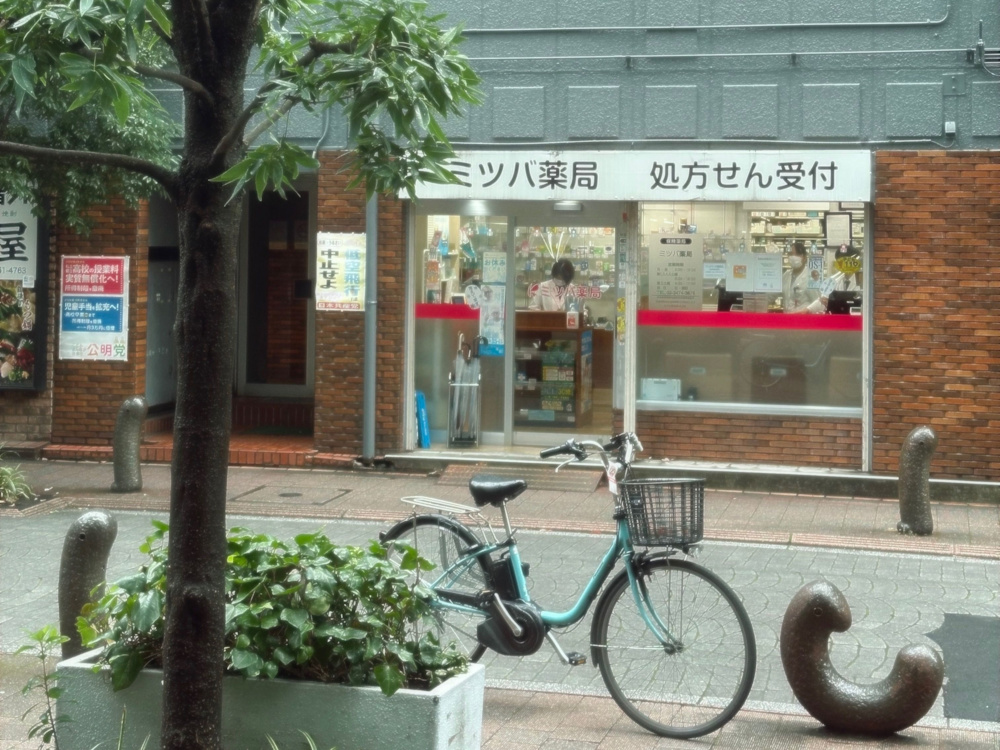
Even if you’ve had a consultation with a pharmacist, you should still read the label on your medicine package. Sometimes there are warnings you shouldn’t miss, plus other important info like how to use the medicine, how to dose it, and so on.
Here are some words and phrases that’ll help you identify the most important parts of the label:
効能・効果 (kōnō kōka): Indications.
用法・用量 (yōhō yōryō): Directions and dosage.
成分 (seibun): Ingredients. If you use a translation app, cross-check by 成分, not just the brand name, since different brands may contain the same active ingredient.
使用上の注意 (shiyōjō no chūi): Precautions / important safety information, including who should avoid the medicine, when to stop taking it, and possible side effects or interactions.
要指導医薬品 (yōshidō iyakuhin): Guidance-required medicine.
眠気 (nemuke): Drowsiness. If a label mentions 眠気, the medicine may make you sleepy, so it’s not safe to take it before driving, cycling, operating machinery, or work that requires concentration.
15歳以上 (jūgo-sai ijō): Age 15 and over.
How to Bring Medicine to Japan from Abroad
When moving to or returning to Japan, this is one part of your trip planning you don’t want to leave until the last minute.
Whether you want to bring OTC or prescription medicine, you must first check the rules and requirements because Japan sets clear quantity limits.
On top of that, some ingredients are banned altogether, even if you have a prescription, so check the medicine’s active ingredient as opposed to its brand name.
According to Japan’s Pharmaceutical Affairs Law:
You can usually bring up to 1 month’s supply of prescription medicine without an import confirmation, as long as the medicine is not prohibited and does not fall under a separate control category.
You may bring up to 2 months’ supply of over-the-counter medicine or quasi-drugs without an import confirmation.
For medicines that contain pseudoephedrine, like Sudafed, Allegra-D, and Claritin-D, you need advance permission from the MHLW. Because approvals can take several weeks, apply well in advance, at least 3-5 weeks before your departure date.
Medicines that contain the active ingredient amphetamine, like Adderall, are completely banned.
If you go over the approved quantity limits, you must apply for a Yunyu Kakunin-sho, which is the import confirmation certificate. Again, apply several weeks in advance just to be safe.
Lastly, keep everything in its original packaging and make sure the labels are visible. And for non-OTC medication, bring a copy of your prescription and a short note from your doctor that states why you take the medicine.
Self-Medication Tax Deduction (セルフメディケーション税制)
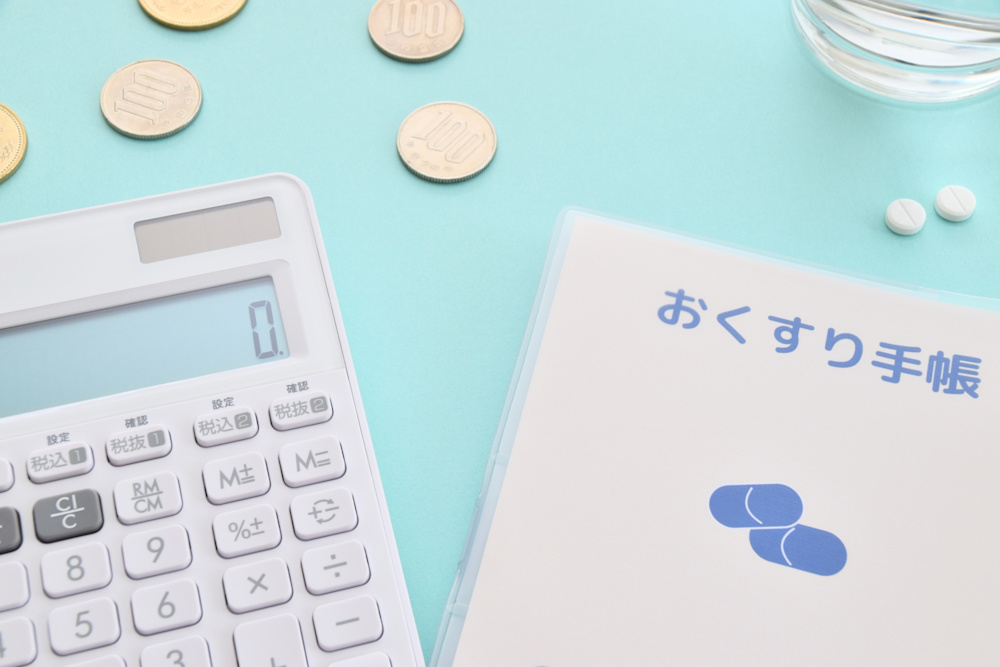
Japan gives residents a tax break when they spend enough on eligible over-the-counter medicine in a year.
Residents who spend more than JPY 12,000 annually on qualifying OTC drugs can deduct the amount above that line (up to JPY 88,000) from their taxable income. For anyone who buys allergy medicine, painkillers, cold remedies, and some other medication for minor health issues, that can add up fast.
To figure out whether a drug qualifies for this tax deduction, look for the セルフメディケーション税制対応 mark on the label or the receipt, or check the full list here. Also, keep all receipts because you’ll need them when filing your taxes.
How to Qualify for the Self-Medication Tax Deduction
To use this tax deduction, you, meaning the person filing the tax return, must complete at least one of these approved checkups, vaccinations, or screenings during the same year you claim the deduction:
An annual health checkup arranged by your health insurance provider, employer, or a public health program.
Routine vaccination or influenza vaccination.
A specific health check or follow-up health guidance (metabolic syndrome checkups).
A cancer screening offered by your local government as part of its health programs.
Just know that the cost of these checkups doesn’t count toward the tax deduction.
How to Claim the Self-Medication Tax Deduction
You can claim this deduction when filing your year-end tax return (確定申告).
You don’t have to submit proof of the checkup, vaccination, or screening when you file, but the tax office can ask to see it later, so keep the document(s) for at least five years after the tax filing deadline. The same goes for the medicine receipts.
You just need to fill out the Self-Medication Tax Deduction Statement and submit it with your tax return, and that’s it!
For more info on how Japan’s healthcare system works, check out our guide for expats.
FAQs
Do You Need a Prescription for Medicine in Japan?
Not always. In Japan, you don’t need a prescription for most everyday medicines for things like pain, colds, stomach trouble, skin issues, and allergies. OTC medicines are grouped into three categories by risk (Classes 1, 2, 3). Class 1 medicines need to be sold with a pharmacist’s involvement, while Class 2 and Class 3 medicines can be taken from the shelf.
What Is a Class 1 Drug in Japan?
A Class 1 OTC drug (第1類医薬品), like Loxonin S (loxoprofen) and Pariet S (rabeprazole), is the highest-risk OTC category. These medicines can be purchased without a prescription, but they’re usually kept behind the counter, so you need to speak to a licensed pharmacist first.
Are There Non-Prescription Sleeping Pills in Japan?
Japan does sell OTC sleep aids such as Drewell (ドリエル), and these contain diphenhydramine, which is an antihistamine rather than a true prescription sleeping pill. They’re meant for mild, occasional sleeplessness, not chronic insomnia.
Can I Get a Cream for a Rash or Skin Infection Without a Prescription?
You can buy antifungal creams in pharmacies across Japan. If you think the problem might be a bacterial infection, it’s safer to see a dermatologist rather than relying on OTC antibiotic creams.
Can I Bring My Home Country Medicine to Japan?
In many cases, yes, but there are limits. As a general rule, you can bring in up to 2 months’ worth of OTC medicine and up to 1 month’s worth of prescription medicine without applying for Import Confirmation through the Ministry of Health, Labour and Welfare.
Medicines that contain pseudoephedrine need advance approval from the Ministry of Health, Labour and Welfare, and amphetamines, including Adderall, are prohibited entirely.
What Is the Self-Medication Tax Deduction in Japan?
This is a tax break for Japanese residents who spend enough on eligible OTC medicines during the year. If you spend more than JPY 12,000 on qualifying products, you can deduct the amount over that threshold from your taxable income, up to JPY 88,000.
To use it, you must also have had a health check or vaccination during the same year. When shopping, look for the セルフメディケーション税制対応 mark, and make sure you keep your receipts.
Is Plan B Available in Japan Without a Prescription?
As of February 2026, you can buy emergency contraceptive pills in Japan without a prescription. The catch is that you must buy it in person at a participating pharmacy that has a licensed pharmacist, so a male partner, friend, or family member can’t pick it up on your behalf.
You take the pill at the pharmacy before leaving, and there is no age limit and no requirement for parental or partner consent. The morning-after pill in Japan works best within 72 hours of unprotected sex.
Final Words on OTC Medicine in Japan
A lot of the stress around buying non-prescription drugs in Japan comes from expecting a familiar system and getting a completely different one. But it gets simpler once you know the specifics around it before you actually need to go to the pharmacy.
To recap briefly:
You can buy OTC medication for many minor health issues like colds, pain, fever, allergies, motion sickness, etc.,
When the medicine carries more risk, like Class 1 medication, you can buy it after having a face-to-face consultation with a pharmacist.
For treating more specific or serious health conditions, you do need a prescription from a Japanese doctor.
If you learn the rules before you get sick, you’ll save yourself both time and stress, and you’ll have a much easier time buying OTC medicine when you need it the most.
- Robotics Data Engineer
- Omakase Robotics
- Tokyo
- Full Stack Engineer
- Omakase.ai
- Tokyo
- Machine Learning Manager, App SW
- Wayve AI
- Tokyo
- Principal Application Software Engineer
- Wayve AI
- Tokyo
- C++ Developer
- Rapyuta Robotics
- Tokyo




Latest Tech Jobs 🇯🇵
Explore the top developer jobs in Japan for foreigners
- Robotics Data Engineer
- Omakase Robotics
- Tokyo
- Full Stack Engineer
- Omakase.ai
- Tokyo
- Machine Learning Manager, App SW
- Wayve AI
- Tokyo
- Principal Application Software Engineer
- Wayve AI
- Tokyo
- C++ Developer
- Rapyuta Robotics
- Tokyo
- Software Engineer (Robotics Control Systems)
- Rapyuta Robotics
- Tokyo
- Global Remote Sensing Sales Engineer
- Axelspace
- Tokyo
- ¥6M ~ ¥8.5M
- Satellite System Integration Test Engineer
- Axelspace
- Tokyo
- Senior Product Engineer (Full Stack)
- Blued
- Tokyo
- ¥8M ~ ¥13M
- Senior Software Engineer
- Blued
- Tokyo
- ¥8M ~ ¥13M


Get Job Alerts
Sign up for our newsletter to get hand-picked tech jobs in Japan – straight to your inbox.

© 2026 Japan Dev. All rights reserved.
Proudly built in Tokyo.


Curated with 💙 in Tokyo
All our data is gathered from publicly available sources or contributed by users