



Updated October 2, 2026
Food Allergies in Japan: How to Read Labels and Dine Out Safely


If you’re living with food allergies in Japan, it’s normal to worry about what ends up on your plate when eating out and which items to choose when shopping for food.
Hidden ingredients in sauces and dishes, like wheat in soy sauce or sesame in some sweet desserts, can catch you off guard, especially if you don’t know how to inform restaurant staff or read food labels.
But once you know how Japan’s food allergen labeling system works, which foods hide the most common allergens, and how to use a food allergy card in Japan, you can make better choices without second-guessing every bite.
In this article, we’ll cover all that, plus what to do if you do end up having an allergic reaction, so let’s get right into it.
Japan's Food Allergen Labeling System
Japan treats food allergies as a public health issue, and its Food Labeling Act sets national rules for what must be shown on packaged foods. This is enforced under the Food Labeling Standards and managed by the Consumer Affairs Agency (CAA).
What are Japan's Mandatory 9 Allergens on Food Labels?
Japan's Food Labeling Act requires packaged foods to label nine specified allergens (特定原材料, tokutei genzairyō). These are the ingredients responsible for the most frequent and severe reactions in Japan:
Egg (卵, tamago)
Milk (乳, nyū)
Wheat (小麦, komugi)
Buckwheat (そば, soba)
Peanut (落花生, rakkasei)
Shrimp (えび, ebi)
Crab (かに, kani)
Walnut (くるみ, kurumi)
Cashew nut (カシューナッツ, kashyū nattsu)
Walnut is a new addition. The CAA added it in 2023 after walnut allergies increased among Japanese people, which bumped the list from seven allergens to eight. Same with cashew - it was added in April, 2026.
Beyond the mandatory nine, Japan recommends labeling for 20 more allergens:
Soybean (大豆, daizu)
Sesame (ごま, goma)
Yam (やまいも, yamaimo)
Macadamia nut (マカダミアナッツ, makadamia nattsu)
Pistachio (ピスタチオ, pisutachio)
Almond (アーモンド, āmondo)
Orange (オレンジ, orenji)
Kiwi fruit (キウイフルーツ, kiui furūtsu)
Peach (もも, momo)
Apple (りんご, ringo)
Banana (バナナ, banana)
Salmon (さけ, sake)
Mackerel (さば, saba)
Salmon roe (いくら, ikura)
Squid (いか, ika)
Abalone (あわび, awabi)
Beef (牛肉, gyūniku)
Pork (豚肉, butaniku)
Chicken (鶏肉, toriniku)
Gelatin (ゼラチン, zerachin)
Keep in mind that these allergens are recommended, not required, on the label. So, if you’re allergic to one or more of these ingredients, read the full ingredient list or ask the staff if you’re unsure.
How to Read Japanese Food Labels
Look for 原材料名 (genzairyōmei), which means “ingredients,” on the back or side of the package. Here’s where you’ll find all of the ingredients that a product contains, plus both mandatory and recommended allergens.
Many packaged foods in Japan have a separate allergen box marked アレルギー物質 (arerugii busshitsu), meaning “allergenic substances”, or wording such as 含む (“contains”) and 使用 (“uses”). This is where the mandatory allergens are displayed, but not necessarily the recommended ones. Always check the full list of ingredients just in case.
You should also check for cross-contamination warnings, such as if the product was made on the same line or in the same factory as other allergens.
Here are a few useful phrases to look out for:
Manufactured in the same factory as products containing [allergen] ([アレルゲン]を含む製品と同一工場で製造, [arerugen] wo fukumu seihin to dōitsu kōjō de seizō)
Manufactured on the same line as products containing [allergen] ([アレルゲン]を含む製品と同一ラインで製造, [arerugen] wo fukumu seihin to dōitsu rain de seizō)
Manufactured using shared equipment with products containing [allergen] ([アレルゲン]を含む製品と共通の設備で製造, [arerugen] wo fukumu seihin to kyōtsū no setsubi de seizō)
Use Google Translate's camera mode to translate the ingredients or ask staff if you’re ever unsure.
Common Allergens Hidden in Japanese Foods
Some dishes, especially those that contain seasoning, stock, glaze, batter, or dressing, may contain allergens that are not obvious to many diners, especially foreigners.
For example, a bowl of Miso soup may look harmless, but the broth may contain fish. Of all the common food allergies in Japan, soy is often the hardest to avoid because it’s in nearly every traditional seasoning. This is why reading the full list of ingredients on a food label is very important.
Here’s a list of the most common hidden allergens in Japanese ingredients and dishes:
Hidden allergen source |
Hidden allergen(s) |
Common foods where it appears |
Soy sauce (醤油, shōyu) |
Wheat, soy |
Ramen broth, dipping sauces, marinades, grilled dishes, dressings |
Dashi (だし, dashi) |
Fish, sometimes seafood |
Miso soup, noodle broth, simmered dishes, chawanmushi, dipping sauces |
Miso (味噌, miso) |
Soy, fish |
Miso soup, marinades, glazes, sauces, hot pot broths |
Soba (そば, soba) |
Buckwheat |
Soba noodles, cold noodle sets, noodle soups |
Curry roux (カレールウ, karē rū) |
Wheat, milk, soy |
Japanese curry rice, curry bread, curry udon |
Tempura batter (天ぷら, tenpura) |
Wheat, egg, shellfish, sometimes sesame oil |
Tempura, tendon, fried vegetables, fried seafood |
Ramen (ラーメン, rāmen) |
Wheat, soy, sesame, egg, fish stock |
Ramen broth, tare, noodles, toppings |
Japanese mayonnaise (マヨネーズ, mayonēzu) |
Egg |
Potato salad, sandwiches, okonomiyaki, takoyaki |
Okonomiyaki (お好み焼き, okonomiyaki) |
Wheat, egg, seafood, soy |
Okonomiyaki, savory pancakes, street food |
How Reliable is Konbini (Convenience Store) Labeling?
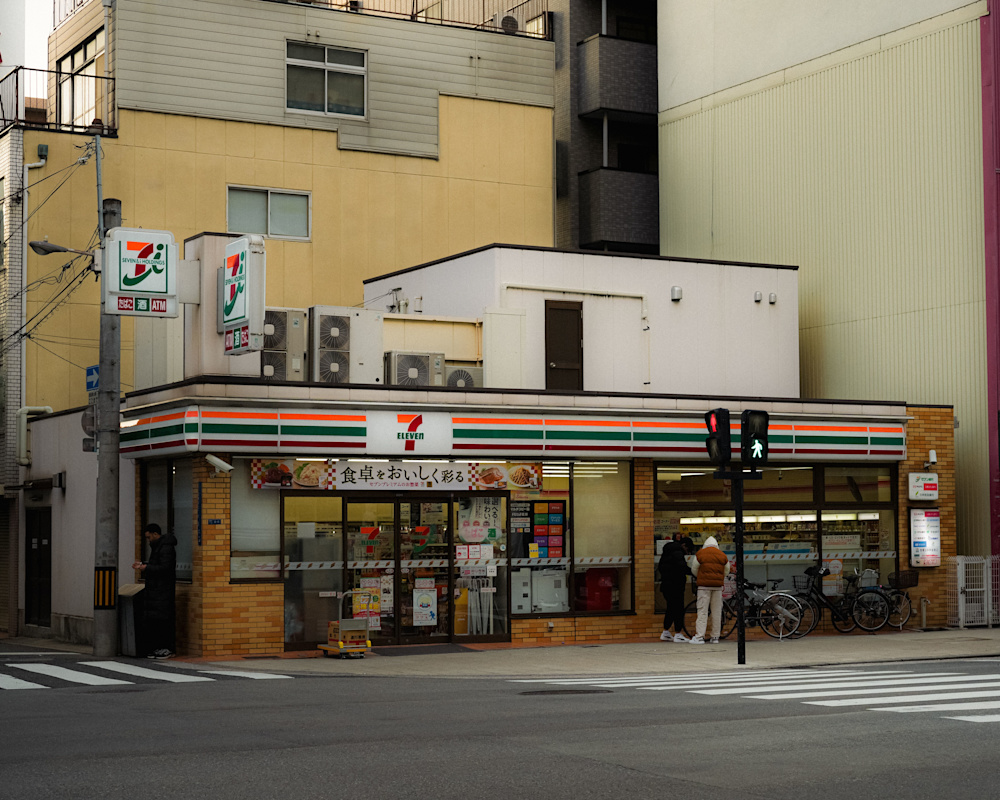
You’ll be glad to know that packaged foods at konbini usually come with the same kind of structured labeling you see in supermarkets. This is why those who’re dealing with food allergies in Japan end up relying on konbini more than they expected.
Apps That Can Help You Check Ingredients and Translate Labels
If you’re still learning Japanese, a good label-scanning app can take a lot of pressure off when shopping for groceries. There are multiple apps you can use, but here are our free and paid recommendations:
This is a great app you can download for free that’s built specifically for Japanese food labels. Simply take a photo of the label, let the app scan it, then read the results in your own language.
The app also checks whether the product fits a set of dietary needs, including gluten-free, lactose-free, vegan, vegetarian, and so on.
2. Okaasan
If you want even more detail and don’t mind the cost, Okaasan is a translation, nutrition, and allergen tool, all in one. It works like Foodfit Japan: scan the label and read the information about the product.
What’s great about this app is that on top of dietary labels, like gluten-free, vegan, and so on, you also get detailed info about all detected allergens, nutritional info, and more.
Dining Out with Food Allergies in Japan
This is where things get a bit more complicated. As we explained, packaged food follows strict national labeling rules, but restaurants, izakayas, and food stalls don’t have the same legal duty to disclose allergens.
Then there’s the inconvenience that some restaurants don’t accept custom orders, like excluding or substituting a certain ingredient from a dish. Others may hear “vegetarian” and still think fish flakes are fine, or hear “allergy” and focus on the main ingredient while forgetting the broth or sauce.
That’s why Prepared Travel scores Japan 7 out of 10 on its allergy travel difficulty scale.
Still, there are ways to ensure that your food is allergen-free, and you can go to restaurants that cater to allergy-sensitive diners.
What Japan Gets Right for Diners With Allergies
Many restaurants in Japan take allergens seriously, and the larger the establishment, the better your odds. These are your safest bets:
International chain restaurants
Hotel restaurants
Larger family restaurant chains
Allergy-friendly certified restaurants
Department store (デパート) restaurant floors
These places usually offer allergen menus and take allergy concerns very seriously.
If you want a starting point, our guide to Japanese chain restaurants can help you find convenient eateries. And if you’re unsure whether you should tip, check out our guide to tipping in Japan.
Next up are theme parks, which are also really accommodating. Universal Studios Japan, for example, offers low-allergen meals at some of its restaurants, as well as allergen information for dishes that may contain some of the 29 allergens we listed above.
And things are only improving! Japan National Tourism Organization (JNTO) is promoting universal tourism and is committed to making travel easier for everyone, including those with food allergies and special diets like veganism or eating halal food.
As part of that effort, more hotels, restaurants, and airlines now offer special menus. On top of that, local tourism groups offer seminars for the hospitality and tourism sectors to help staff support guests with different dietary needs.
Why Special Requests Can Be Hard at Japanese Restaurants
In the US or Europe, asking for a dish "without the sauce" or "with the dressing on the side" is common. In Japan, however, special requests are unusual because the restaurant culture here works differently, especially at smaller or more traditional places.
Diners here trust the chef’s recipe as it is, and don’t want to inconvenience them or the staff. Also, many kitchens are set up to make the same dish the same way each time.
A restaurant might be able to remove a topping, but it may not be able to change a broth, sauce, or base that was prepared hours or days earlier. Ramen is a good example, since some broths take days to make, so it’s worth remembering before dining out.
Tips for Dining Out in Japan
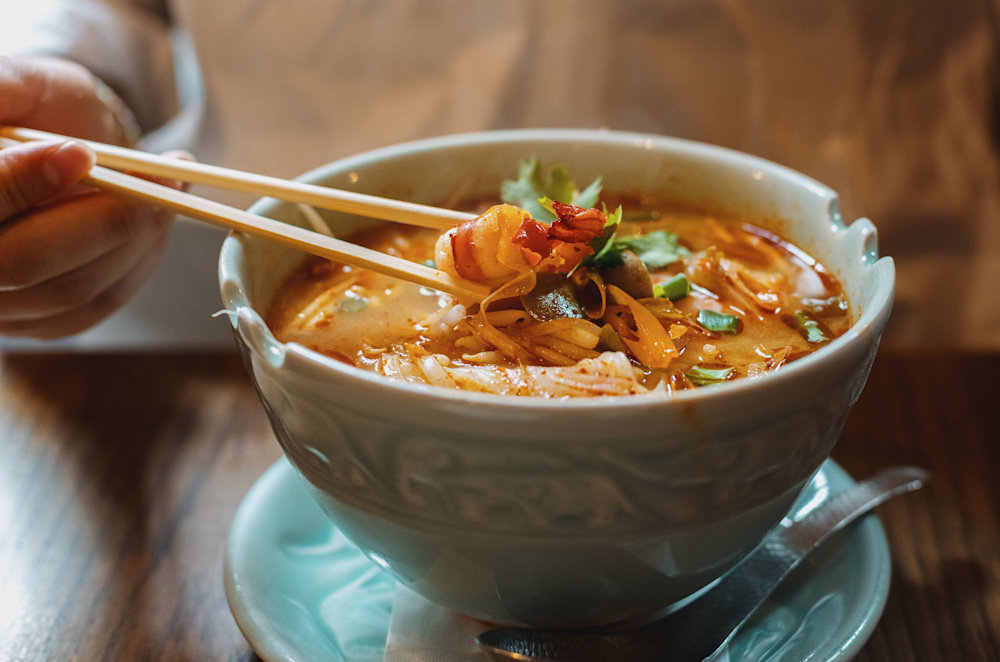
Dining out with food allergies in Japan can be easy if you plan ahead and ask the right questions. Here are some tips to keep in mind:
Call or email the restaurant ahead for special occasions to book a table and ask if they can accommodate your allergy.
For omakase or high-end dining, call or email at least 48 hours in advance. Those menus often rely on prep done well before service, so same-day allergy requests may be hard to handle.
Ask about hidden ingredients, not just the main ones. Dashi, soy sauce, miso, seasoning powders, and premade sauces can all contain less obvious allergens.
Shared fryers, grills, knives, cutting boards, and prep areas can all be a problem, so if you have a severe allergy, ask about cross-contamination.
If staff are unsure about allergens present in your dish or are hesitant to accommodate you, it’s best to choose another place rather than take the risk.
If you’re allergic to dairy or eggs, a vegan restaurant is your safest bet. Konbinis are another great option, as all the ingredients and allergens are displayed on the label.
Lastly, use a Japanese food allergy card, which brings us to the next point.
What is a Food Allergy Card in Japan and Why Does it Help?
A food allergy card (アレルギーカード) is a printed or digital card that explains your allergies in Japanese.
Hotel and restaurant staff in Japan see these cards regularly, so pulling one out before ordering won't raise eyebrows, and it works a lot better than trying to explain your food restrictions out loud. One thing you can be sure of is that nothing will get lost in translation.
Where to Get a Japanese Allergy Card
You've got free and paid options:
Print CAA’s Food Allergy Communication Sheet and check the boxes that apply to you.
Even more conveniently, create a customized allergy card for free using sites like Tabemasen. The card will show the exact ingredients you’re allergic to, plus other info like severity.
Buy a custom-printed card. Independent sellers on Etsy make laminated versions tailored to your exact allergen list, which you can use multiple times without damaging them.
What to Put on Your Allergy Card and How to Use It
Your allergy card should include the following information:
Your allergens in both Japanese kanji and English. For example, 小麦 (wheat), 卵 (egg), and so on.
A severity statement. For example, 微量でも重篤な症状が出ます (Even trace amounts cause severe symptoms).
A polite line asking staff to confirm with the kitchen. For example, 厨房で原材料をご確認ください (Please check the ingredients with the kitchen).
A cross-contamination note, like asking for separate utensils and cooking surfaces, if your allergy is severe.
Using it is very simple. Just show the card as soon as the server comes over to your table, before ordering the food. Let them read it or bring it to the kitchen, then wait for their answer and recommendations before ordering. That's it!
What to Do If You Have an Allergic Reaction in Japan
If you have an allergic reaction, the first thing you should do is determine whether your symptoms are mild, moderate, or severe. A mild reaction can usually be treated with food allergy medicine in Japan, while moderate and severe symptoms require medical care.
For more info on how to get medical care in Japan and how to find a pediatric clinic in Japan, check out our guide.
What to Do for Mild Allergy Symptoms
If you experience mild itching, a few hives, or a small rash, and there are no breathing symptoms, throat tightness, dizziness, or swelling of the lips or tongue, oral antihistamines from a pharmacy should help.
Here are a few common OTC antihistamine medications sold in Japan:
What to Do for Moderate Allergy Symptoms
Go to a clinic if the reaction is getting worse, but still looks stable. This usually means the rash is spreading and the itching isn’t easing, but you’re still breathing normally, and you don’t have throat or chest tightness.
If the symptoms are developing fast, skip the clinic and go to the emergency room as soon as you can.
What to Do for Severe Allergy Symptoms
For any signs of anaphylaxis (throat tightness, difficulty breathing, swollen lips or tongue, dizziness, or symptoms that hit more than one body system at the same time, such as hives with vomiting or swelling with dizziness), act in this order:
Use your EpiPen immediately if you have one. Even if you start feeling better, you still need medical observation and treatment at a hospital, so head to the nearest one right away.
If you don’t have an EpiPen, call 119, Japan's emergency number for fire and medical emergencies.
Japanese Phrases That Help You Explain an Allergic Reaction
Here are some high-urgency phrases that’ll help you explain your condition when you call 119 or while at the clinic:
I’m having an allergic reaction (アレルギー反応が出ています, arerugī hannō ga dete imasu)
My throat feels tight (喉が締めつけられる感じがします, nodo ga shimetsukerareru kanji ga shimasu)
I’m having trouble breathing (息苦しいです, ikigurushii desu)
It may be anaphylaxis (アナフィラキシーかもしれません, anafirakishī kamo shiremasen)
EpiPens in Japan: Are EpiPens Legal in Japan?
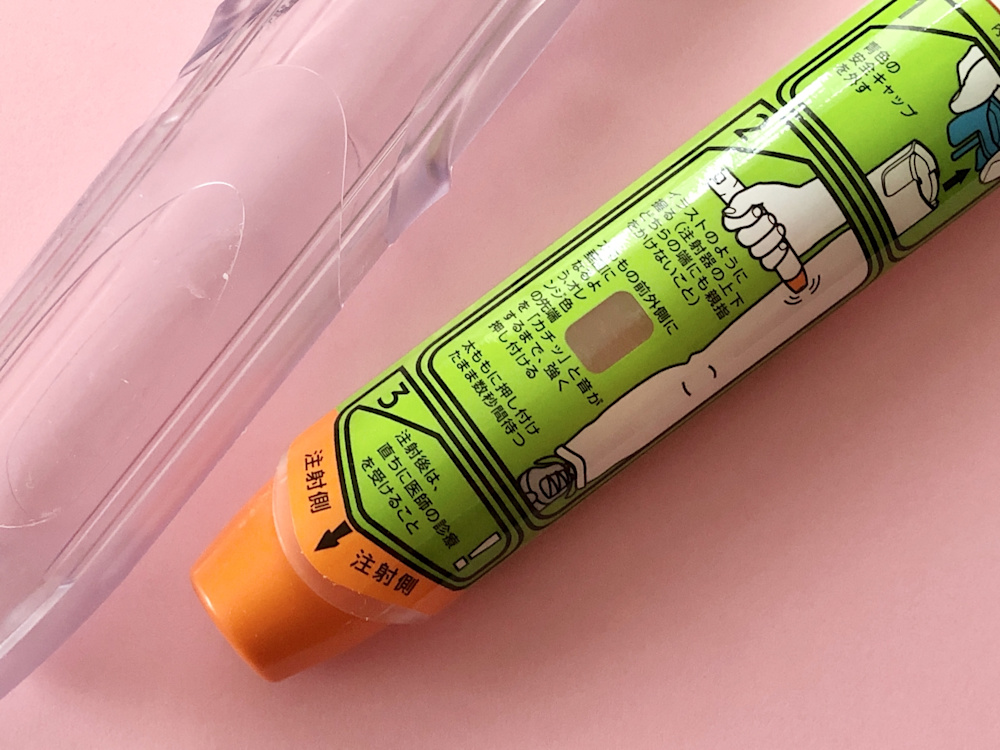
Yes, EpiPens are legal in Japan. The approval and distribution of medical devices such as the EpiPen is overseen by Japan’s Pharmaceutical and Medical Device Agency (PMDA).
Just know that this is a prescription medicine, so you can’t just walk into a drugstore and buy one off the shelf.
How to Get an EpiPen Prescription in Japan
You can get an EpiPen prescription at a clinic or a hospital, but not all doctors can prescribe it, so visit either an allergist or dermatologist. Here’s the step-by-step process:
Call the clinic to book an appointment and inform them that you need an EpiPen prescription.
Bring any document that’ll help you explain your allergy history (a past prescription, a doctor’s note, allergy test results, discharge papers from a past reaction, or even your current injector box)
Fill out the clinic’s intake form when you arrive.
Once you see the doctor, expect questions about what you’re allergic to, what kind of reactions you’ve had, and whether you’ve had anaphylaxis before.
In Japan, doctors often want to confirm that you understand when and how to use an EpiPen, so you might need to watch a video or read a brochure.
If the doctor approves the prescription, you may be asked to return to the waiting area while staff handle the paperwork.
Finally, pay the consultation fee and the EpiPen cost (this varies by clinic and your insurance).
It’s important to know that some clinics don’t hand over the EpiPen the same day. You may need to wait 3 to 5 days before you can go back and pick it up.
Here are some clinics in Tokyo that can help with EpiPen prescriptions:
You can also check out these English-speaking dermatologists in Tokyo, Kyoto, and Osaka who might be able to prescribe you an EpiPen; just call ahead to ask before you go.
Can I Bring My EpiPen to Japan?
Whether you’re going to Japan for the first time or returning from a trip home, you can bring your own EpiPen if you follow these rules:
If you plan to bring more than a one-month supply, you need to apply for an Import Certificate through the Ministry of Health, Labour and Welfare, and get approval before departure.
Carry the pens in their original packaging with the pharmacy label attached.
Carry a copy of your prescription and a letter from your doctor explaining that you have a severe allergy or risk of anaphylaxis and need to carry epinephrine.
FAQs
What Are the 9 Mandatory Allergens in Japan?
The following nine allergens must be displayed on packaged foods in Japan: egg, milk, wheat, buckwheat, peanut, shrimp, crab, cashew nut, and walnut.
Can I Get an EpiPen in Japan Without a Prescription?
No, you need a prescription for an EpiPen in Japan, so visit a doctor or clinic to get one instead of looking for over-the-counter options.
How Do I Tell a Restaurant About My Food Allergy in Japanese?
You can say this: 食物アレルギーがあります。これは食べられません。 (Shokumotsu arerugii ga arimasu. Kore wa taberaremasen). This means, “I have a food allergy. I can’t eat this.” Then show your allergy card before ordering, not after.
What Is an Allergy Card and Where Can I Get One for Japan?
An allergy card lists your allergens in Japanese and can also include other information like the severity of your allergy. You can print CAA’s Food Allergy Communication Sheet and check the boxes that apply to you, use sites like Gluten Free Japan or Tabemasen to create a customized card yourself, or buy a custom-printed card online.
What Should I Do If I Have Anaphylaxis in Japan?
First, use your EpiPen if you have one, then call 119 for an ambulance or go to the emergency department right away. The most important thing is to act fast.
Are Japanese Restaurants Required to Disclose Allergens?
Unfortunately, no. Restaurants, izakayas, and food stalls don’t have a legal duty to disclose allergens; that applies only to packaged foods.
Final Words on Food Allergies in Japan
A lot of the stress around food allergies in Japan comes from the hidden ingredients in broths and sauces, so it’s very important to ask about these ingredients and show your allergy card when dining out. You should also read the full list of ingredients on labels, not just the allergen notice.
If you do experience an allergic reaction, knowing when to use an EpiPen and when to call 119 matters just as much as choosing the right meal in the first place. With a bit of preparation and the right precautions, you can safely enjoy Japan’s delicious food without feeling anxious about every meal.
- Robotics Data Engineer
- Omakase Robotics
- Tokyo
- Full Stack Engineer
- Omakase.ai
- Tokyo
- Machine Learning Manager, App SW
- Wayve AI
- Tokyo
- Principal Application Software Engineer
- Wayve AI
- Tokyo
- C++ Developer
- Rapyuta Robotics
- Tokyo




Latest Tech Jobs 🇯🇵
Explore the top developer jobs in Japan for foreigners
- Robotics Data Engineer
- Omakase Robotics
- Tokyo
- Full Stack Engineer
- Omakase.ai
- Tokyo
- Machine Learning Manager, App SW
- Wayve AI
- Tokyo
- Principal Application Software Engineer
- Wayve AI
- Tokyo
- C++ Developer
- Rapyuta Robotics
- Tokyo
- Software Engineer (Robotics Control Systems)
- Rapyuta Robotics
- Tokyo
- Global Remote Sensing Sales Engineer
- Axelspace
- Tokyo
- ¥6M ~ ¥8.5M
- Satellite System Integration Test Engineer
- Axelspace
- Tokyo
- Senior Product Engineer (Full Stack)
- Blued
- Tokyo
- ¥8M ~ ¥13M
- Senior Software Engineer
- Blued
- Tokyo
- ¥8M ~ ¥13M


Get Job Alerts
Sign up for our newsletter to get hand-picked tech jobs in Japan – straight to your inbox.

© 2026 Japan Dev. All rights reserved.
Proudly built in Tokyo.


Curated with 💙 in Tokyo
All our data is gathered from publicly available sources or contributed by users