



Updated March 27, 2026
What's HelloWork? Your Guide to Employment Services in Japan
If you’re job hunting in Japan, chances are you’ve already crossed paths with HelloWork.
HelloWork is Japan's government-run employment service, and it can help you land your next job, whether you're a fresh graduate, between jobs, or just exploring your options.
The service offers free job placement support to anyone living in Japan, and it's one of the most comprehensive employment resources available, connecting job seekers with thousands of opportunities across the country.
In this guide, we'll walk you through everything you need to know about HelloWork in Japan, from what services they offer to what documents you'll need to bring. Let's dive in.
In this article: 📝
What Is HelloWork in Japan?
HelloWork (officially known as Public Employment Security Offices) is a network of government employment centers operated by Japan's Ministry of Health, Labour and Welfare. Think of it as Japan's national job placement service, but it actually works, and there’s a well-thought-out system in place.
There are over 540 HelloWork offices scattered throughout the country, making them easily accessible no matter where you live. Each office maintains a massive database of job listings that is regularly updated with opportunities from local and national employers.
What makes HelloWork particularly impressive is that it's completely free for both job seekers and employers. Companies can post positions without paying hefty recruitment fees, which means you'll often find listings here that don't appear on commercial job sites. This is especially true for smaller local businesses and positions in regional areas.
The service isn't just limited to Japanese citizens either. HelloWork provides support for foreign residents looking for work in Japan, including specialized centers with multilingual staff. Some locations even offer services in English, Chinese, Portuguese, and Spanish.
Just keep in mind that you can't simply choose which HelloWork branch to visit based on your convenience. Your assigned office is determined by your registered address in Japan. Each residential area falls under the jurisdiction of a specific HelloWork location, so you'll need to register and use the services at the location where you live.
To find your local HelloWork office, check the Ministry of Health, Labour and Welfare's official directory. The main website is only available in Japanese, so you might need some help navigating it if you're not comfortable with the language yet.
Hello Work Services: What Services Can You Receive at HelloWork?
HelloWork is more than just a job board. It's a comprehensive employment support center that offers several services designed to help you throughout your job search and even interview journey.
These are the services you can receive:
Job Placement Support
This is HelloWork's main service. Once you register, you'll get access to their job database where you can search for openings based on your skills, experience, and preferences. The real value comes from the personalized assistance you'll receive.
When you find a job you're interested in, a counselor will review your qualifications and help you submit an application. They'll also provide you with a letter of introduction to the company, which carries weight in Japan since HelloWork is viewed as a reliable institution among.
Counselors can also help with crafting your Japanese resume, writing cover letters, and preparing for interviews. Some offices even provide mock interview sessions to help you practice.
Training Programs
HelloWork also offers vocational training programs to help you gain new skills if you’re considering switching careers. These courses cover everything from basic computer skills to specialized technical training.
One especially useful program HelloWork offers is a 100-hour program designed for foreign workers. This seminar addresses workplace challenges, teaches business Japanese, and even includes workplace visits so you can gain practical experience.
The 100-hour program is a great starting point if you’re beginning from scratch, and you get to learn skills you'll actually use.
Unemployment Services
If you've recently lost your job or are between positions, HelloWork is also where you'll handle your unemployment insurance claims.
Japan's employment insurance system can help cover living expenses while you search for your next opportunity, as long as you meet certain eligibility requirements.
The unemployment benefits process involves regular check-ins at HelloWork, where you'll need to demonstrate that you're actively job searching. The staff can explain the requirements, help you navigate the paperwork, and ensure you're receiving the support you're entitled to.
If you want more detailed information about unemployment benefits in Japan and how the system works, check out our comprehensive guide on unemployment in Japan.
What to Bring to HelloWork
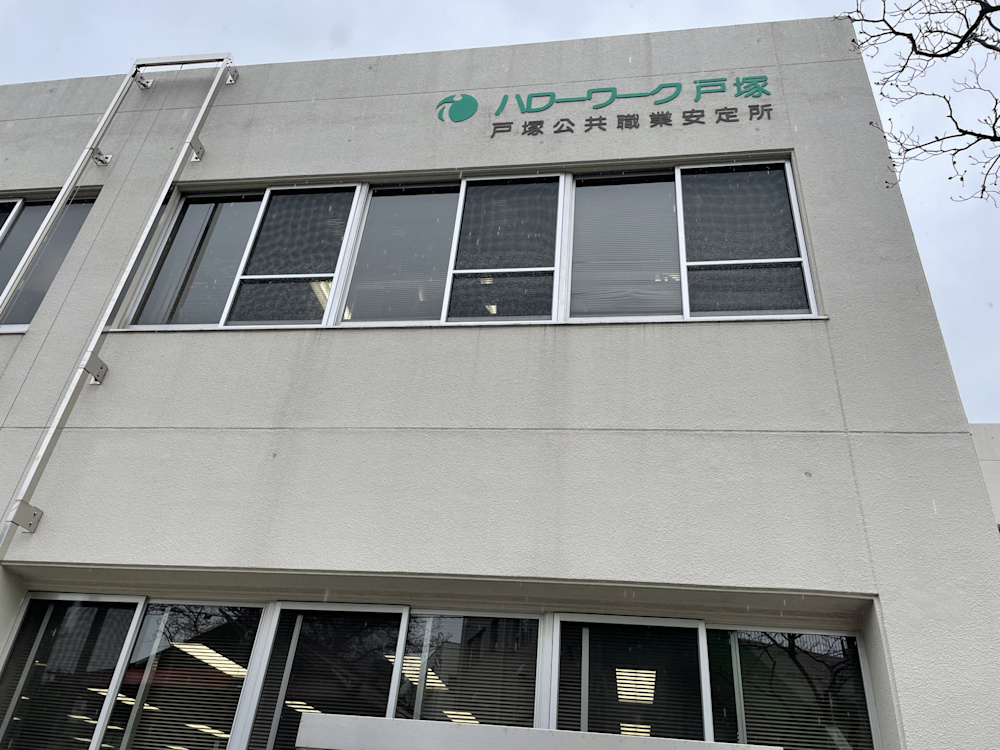
If you’re heading to HelloWork for the first time, make sure you have the right documents with you. The required paperwork differs depending on what services you need, so let's break this down clearly.
For Initial Registration
If you're visiting HelloWork to register and start your job search, you'll need valid identification, such as your residence card and passport. These documents confirm your identity and verify that you have the legal right to work in Japan.
Simply fill out a registration form with information about your work history, skills, and the type of employment you're seeking. Once registered, you'll receive a HelloWork card that you'll use for future visits.
For Unemployment Benefits
If you're there to apply for unemployment insurance benefits, the documentation requirements are a little more extensive. You'll need to bring two critical documents from your previous employer.
The first is your Turnover Slip, known as rishoku-hyō (離職票) in Japanese. This document is issued by your former employer after you leave the company and shows the details of your employment history and the circumstances of your departure. You typically receive this within a few weeks of leaving your job.
The second essential document is your Employment Insurance Enrollment Certificate, called koyōhoken hihokensyasyō (雇用保険被保険者証). This small card proves that you were enrolled in Japan's employment insurance system while working. Many people keep this with their important documents at home, but if you can't find yours, you can request a reissue.
Beyond these documents, you'll also need:
Your standard identification (residence card and passport)
Your personal seal (inkan or hanko)
A bank account book or card for receiving benefit payments.
Some offices may require passport-sized photos as well, so call ahead or bring a couple just in case
If you're concerned about the language barrier, we recommend visiting a HelloWork office that offers foreign language support or bringing a Japanese-speaking friend who can help you navigate the paperwork.
What to Do Before You Go to HelloWork Japan
A little preparation can make your HelloWork experience much smoother. Here's what you should do before making your first visit.
Research Your Local Office
First, figure out which HelloWork office you need to visit.
Remember, you can't just pick the most convenient location. You're assigned to a specific office based on your registered address.
Look up your designated office online and check its hours of operation. Most HelloWork locations are open during standard business hours on weekdays, though some offer extended evening hours or even Saturday appointments.
While you're researching, find out if your office provides services in languages other than Japanese. If you're not confident in your Japanese ability, knowing whether English or another language support is available can save you a lot of stress.
You can usually find this information on their website or by calling ahead.
Online Job Search
HelloWork also has an online job search system that lets you browse listings from home before visiting an office.
While the interface is only in Japanese, you can still get a sense of what's available and come prepared with specific job numbers or companies you're interested in.
You can create an account to save job listings, though for most positions, you'll still need to visit a HelloWork office in person to receive a formal letter of introduction to the employer.
Prepare Your Documents
Gather all the documents you'll need based on your purpose for visiting.
If you're going for job search assistance, have your identification and any relevant qualification certificates or diplomas. If you're applying for unemployment benefits, double-check that you have your Turnover Slip and Employment Insurance Enrollment Certificate.
It's also smart to prepare some information about your work history, skills, and job preferences. Even if you don't have a formal resume ready, having a clear idea of what type of work you're looking for will help the counselors assist you more effectively.
For Those Considering Career Changes
If you're using HelloWork because you're switching jobs, you might want to read up on how to quit your job in Japan and the cultural expectations around job hopping in Japan first. Understanding the local job market dynamics can help you make better decisions about your career.
For those without previous work experience in Japan, finding a job with no experience might seem daunting, but HelloWork can be particularly helpful in connecting you with entry-level positions or training opportunities that can get your career started.
What to Do Once You Get to HelloWork: How To Use HelloWork
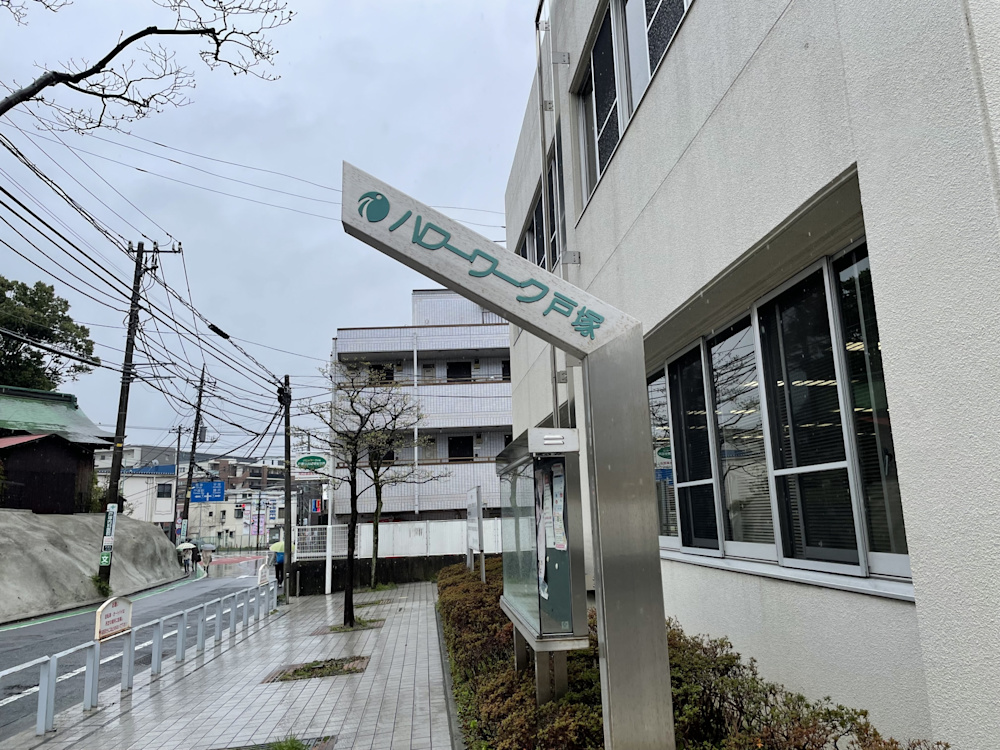
You've done your homework, gathered your documents, and arrived at the HelloWork office. Here's what to expect and how to navigate the process.
Check In at Reception
When you first arrive, head to the reception desk first.
The staff will ask whether you're there for initial registration, job search assistance, unemployment benefits, or another service.
If this is your first time, let them know you'd like to register as a new user. They'll provide you with the necessary forms and direct you to the appropriate counter.
Don't worry if you feel a bit lost. HelloWork staff are used to helping first-time visitors navigate the system.
For non-Japanese speakers: If your office has foreign language support available, request an interpreter or multilingual assistance before moving forward.
Complete Your Registration
First-time job seekers fill out a registration form that covers personal information, work history, qualifications, and employment preferences. Take your time with this, as the more accurate and detailed you are, the better HelloWork can match you with suitable positions.
After submitting your form, you'll receive your HelloWork registration card. This card has an identification number that's linked to your profile in their system. Keep it somewhere safe and remember to bring it with you on every visit.
Search for Jobs
Once registered, you can start browsing available positions right away.
Most HelloWork offices have computer terminals where you can search their job database. The interface is primarily in Japanese, but some offices have systems with English support or staff who can help you search.
In your search, you can filter jobs by industry, location, employment type (full-time, part-time, contract), salary range, and various other criteria. When you find something interesting, write down the job reference number so you can discuss it with a counselor.
Meet with a Counselor
When you find positions you're interested in, you'll meet with an employment counselor who will review the job requirements and assess whether you're a good match.
If the position suits your qualifications, they'll help you prepare your application and provide an official letter of introduction to submit to the employer as soon as possible.
The counselor can also offer advice on your job search strategy, help improve your resume, and provide interview preparation guidance.
Follow Up and Continue Searching
Finding the right job rarely happens on your first visit. You'll likely need to return to HelloWork multiple times as you apply for positions and attend interviews.
Each visit is an opportunity to search for new listings, get feedback on your applications, and receive more personalized support from counselors, as they will have more personalized data about your interviewing process.
For those claiming unemployment benefits, regular visits to HelloWork are required.
You'll need to check in periodically (usually every four weeks) to confirm that you're actively job searching and to receive your continued benefit payments.
These check-ins also give you a chance to update counselors on your job search progress and adjust your strategy if needed.
HelloWork is Cost-Free: HelloWork Pricing
The greatest thing about HelloWork services is that they don’t cost you anything. Every service they offer, from job search assistance and career counseling to unemployment benefit administration, is completely free for job seekers.
The free nature of the service extends to the training programs and workshops they offer as well. While some specialized vocational training might have materials costs, the core employment support services are always accessible to everyone, regardless of their financial situation.
This makes HelloWork an especially valuable resource if you're dealing with the financial stress of unemployment or if you're a recent graduate without much savings.
HelloWork Japan for Foreigners
If you're a foreign resident in Japan, you might initially think that HelloWork is mainly designed for Japanese job seekers. This is far from the truth: HelloWork does assist foreign residents, though the level of language support varies significantly by location.
Language Support and Specialized Centers
Several HelloWork offices in major cities have dedicated staff who speak English, Chinese, Portuguese, or Spanish. These multilingual services make it much easier to navigate the job search process if you're not yet fluent in Japanese.
Two particularly useful locations for foreign job seekers are the Tokyo Employment Service Center for Foreigners and the Shinjuku Foreigners' Employment Assistance and Guidance Center. These specialized centers focus specifically on helping international residents find work in Japan and can also provide guidance on visa-related employment restrictions.
The Tokyo center assists international students looking for work after graduation and those with residence statuses that limit their employment options. The Shinjuku center helps residents with unrestricted work status and students seeking part-time work. Both offer interpretation services, though you may need to book appointments in advance for certain languages.
Understanding Visa Requirements
HelloWork will verify that you're legally allowed to work in Japan before helping you apply for positions. This means bringing your residence card and ensuring your visa status permits employment.
If you're on a student visa, for example, you're limited to 28 hours per week during term time, and HelloWork will only help you find part-time positions within those restrictions.
The staff can also guide you on which jobs are appropriate for your visa type. Certain residence statuses have restrictions on the types of work you can do, and HelloWork counselors are trained to understand these limitations and help you find suitable opportunities.
Job Hunting as a Foreigner
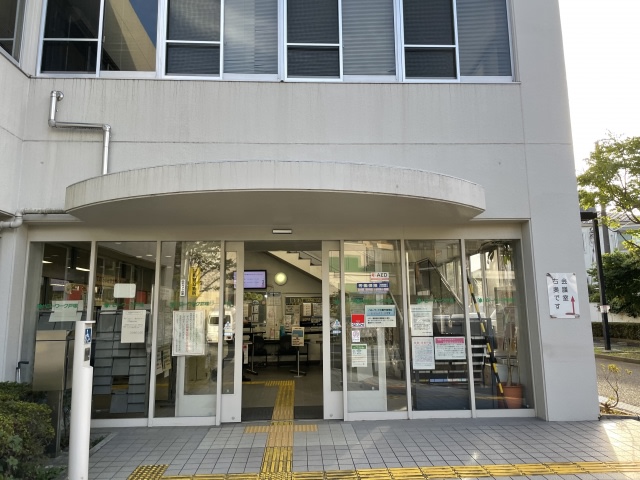
The reality is that job hunting in Japan as a foreigner comes with a unique set of challenges.
Language barriers, unfamiliar business customs, and visa restrictions can all complicate the process. Luckily, though, HelloWork's counselors have experience working with foreign job seekers and can provide advice tailored to your situation.
They understand that you might need extra time to prepare documents in Japanese, might not be familiar with Japanese resume formats, or might need guidance on local workplace expectations. Don't be shy about asking for this additional support. It's what they're there for.
If your assigned local office doesn't have much language support, it might be worth the extra travel to visit one of the specialized foreign employment centers, at least for your initial registration and to get oriented in the system. After that, you can handle routine tasks at your local office even if Japanese-language support is the only option.
Final Word and Making the Most of HelloWork Japan
HelloWork can be an incredibly valuable resource for your job search in Japan, but like any tool, you'll get better results if you use it effectively. Here are some final tips to help you make the most of these services.
First, be persistent. Job searching takes time and effort, and you'll likely need to visit HelloWork multiple times before landing the right opportunity. The more actively you engage with the service, the better your chances of success.
Second, come prepared. Whether it's having your documents organized, knowing what type of work you're looking for, or bringing questions for your counselor, preparation shows that you're serious about your job search.
Third, don't overlook the training and skill development programs. If you're struggling to find work or want to switch careers, these programs can give you a competitive edge. They're free, and they look good on your resume.
Finally, remember that HelloWork is just one tool in your job search toolkit. While it's an excellent resource, especially for finding local positions and roles at smaller companies, you should also explore other options like online job boards, such as Japan Dev’s, and professional networking.
Different approaches work better for different types of positions. So, casting a wide net simply increases your chances of finding the right fit.


Japan Dev Team
This post was written by our Japan Dev editorial team.
- Senior Data Engineer - MIDAS Data Platform, Digital Bank
- Money Forward
- Tokyo
- ¥6.5M ~ ¥11M
- Client Delivery Lead
- Kraken Technologies
- Tokyo
- Senior Client Delivery Lead
- Kraken Technologies
- Tokyo
- Software Developer
- Limina
- Tokyo
- Client-Facing Solution Architect
- Visual Alpha
- Tokyo
- ¥7M ~ ¥11M




Latest Tech Jobs 🇯🇵
Explore the top developer jobs in Japan for foreigners
- Senior Data Engineer - MIDAS Data Platform, Digital Bank
- Money Forward
- Tokyo
- ¥6.5M ~ ¥11M
- Client Delivery Lead
- Kraken Technologies
- Tokyo
- Senior Client Delivery Lead
- Kraken Technologies
- Tokyo
- Software Developer
- Limina
- Tokyo
- Client-Facing Solution Architect
- Visual Alpha
- Tokyo
- ¥7M ~ ¥11M
- Senior Full-Stack Software Engineer
- Visual Alpha
- Tokyo
- ¥5M ~ ¥9M
- Senior Software Engineer (WES & Fleet Management)
- Mujin
- Tokyo
- ¥8M ~ ¥15M
- Full Stack Engineer (Applications for Robots in Home Environments...
- AI Robot Association (AIRoA)
- Tokyo
- Lead System Integration Robotics Engineer - Logistic Division
- Telexistence
- Tokyo
- Robotics Software Engineer - Motion Planning
- Telexistence
- Tokyo


Get Job Alerts
Sign up for our newsletter to get hand-picked tech jobs in Japan – straight to your inbox.

© 2026 Japan Dev. All rights reserved.
Proudly built in Tokyo.


Curated with 💙 in Tokyo by Eric Turner
All our data is gathered from publicly available sources or contributed by users