



Updated January 21, 2026
How To Pay National Health Insurance Japan: What To Know
If you are living in Japan, then know that everyone is covered under the Japanese national health insurance.
But did you know there are two types? And each one has a separate payment system?
In this article: 📝
- Who needs national health insurance?
- How to register for National Health Insurance in Japan?
- What is covered by Japanese National Health Insurance?
- How much does Japanese National Health Insurance cost?
- How to pay National Health Insurance in Japan?
- What happens if you don’t pay for Japanese National Health Insurance?
- Frequently asked questions
- In closing
In this article, we’ll talk all about how to pay for national health insurance in Japan.
Who needs national health insurance?
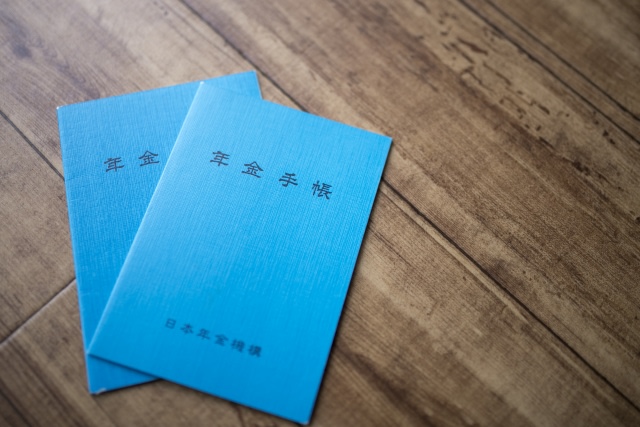
In general, everyone pays into the national health insurance system when they live and work in Japan. But there are two different systems:
Employee health insurance (Shakai Hoken): For full-time employees, provided by their company
National health insurance (Kokumin Kenkou Hoken): For self-employed, part-time workers, students, and the unemployed.
Generally, if you don’t work full-time like you are a student, part-time worker, etc, then you must enroll in National Health Insurance through your local city office.
Additionally, any foreigners staying in Japan for more than 3 months, such as being a language school student, with a residence card (zairyu card), are also enrolled in the national health insurance.
How to register for National Health Insurance in Japan?
Again, there are two types of Japanese health insurance: Employee Health Insurance (Shakai Hoken) and National Health Insurance (Kokumin Kenkou Hoken).
For employee health insurance, your employer usually handles the registration process for you.
But for National Health Insurance (Kokumin Kenkou Hoken), you will need to register at your local city office. You will need to bring:
Passport
Residence card (zairyu card)
My Number card (or other proof of your Individual Number)
Address registration
What is covered by Japanese National Health Insurance?

For both National Health Insurance (kokumin kenkou hoken) and Employee Health Insurance (Shakai Hoken), you will be covered for general Japanese healthcare:
Hospital care
Outpatient care
Mental health care
Prescription drugs
Home health care
Dental care (non-cosmetics)
For Kokumin Kenkou Hoken, some packages offer health promotion add-ons depending on the one you choose.
Does National Health Insurance (NHI) cover a regular check-up?
The Japanese National Health Insurance does not cover general, routine health check-ups (like Ningen Dock or Kenko Shindan).
Instead, it covers about 70% of the cost. So you have to pay 30%.
However, if you are under Employee Health Insurance (Shakai Hoken), your employer will cover the full cost of your annual check-up.
How much does Japanese National Health Insurance cost?
The cost can vary depending on your municipality, income, family size, and local rate. So, the cost will vary from person to person.
If you are covered by Shakai Hoken (employee insurance), the cost is deducted from your salary. So you can see how much you pay by looking at your payslip.
For Kokumin Kenkou Hoken (National Health Insurance), paper payment slips which you will receive in the mail will show you how much you need to pay.
Is it mandatory to pay for health insurance in Japan?
Yes, you are required to have and pay for health insurance in Japan if you are living here for more than 3 months.
Everyone in Japan must be enrolled in some sort of health insurance, either employee or national health insurance. Both of which you are paying into.
How to pay National Health Insurance in Japan?
This section only applies to National Health Insurance (Kokumin Kenkou Hoken). For those under the Employee Health Insurance (Shakai Hoken), the payment amount will be automatically taken from your salary.
1. Convenience Store
Payment slips are the initial way to pay for the National Health Insurance in Japan.
You receive them in the mail, and so you can bring them to any convenience store to pay. Go to the checkout counter and let the staff scan the barcode so you can pay the amount. Keep the stamped receipt in case of any future issues.
When you receive the payment slip envelope, you can pay all at once or monthly. So pay attention to the amount and due date of each paper.
Please note that you cannot pay at the conbini after the payment deadline or if the amount is over ¥300,000.
2. Cashless payment apps
From February 2023, cashless payments for National Health Insurance payments with your smartphone are possible.
You can pay with a payment app such as dPay, PayPay, or auPay.
In the app, scan the barcode on your payment slip and make the payment.
3. Credit card
You can pay your Japanese National Health Insurance with your credit card by scanning a special QR code, the Mobile Register code.
The code will take you to a website that will let you select the credit card option to make the payment.
4. Bank transfer (automatic payment)
You can apply for an automatic bank transfer at your local city office by submitting a bank transfer request form.
When you apply, you will need to bring:
Bank book and cash card
Seal, Inkan, or Hanko for your bank
Insurance card
You can also apply online, depending on where you live.
5. Special method: Deduction from pension
This method is only for those between 65 and 74, where your payment can be paid by special collection (deduction from pensions).
What happens if you don’t pay for Japanese National Health Insurance?
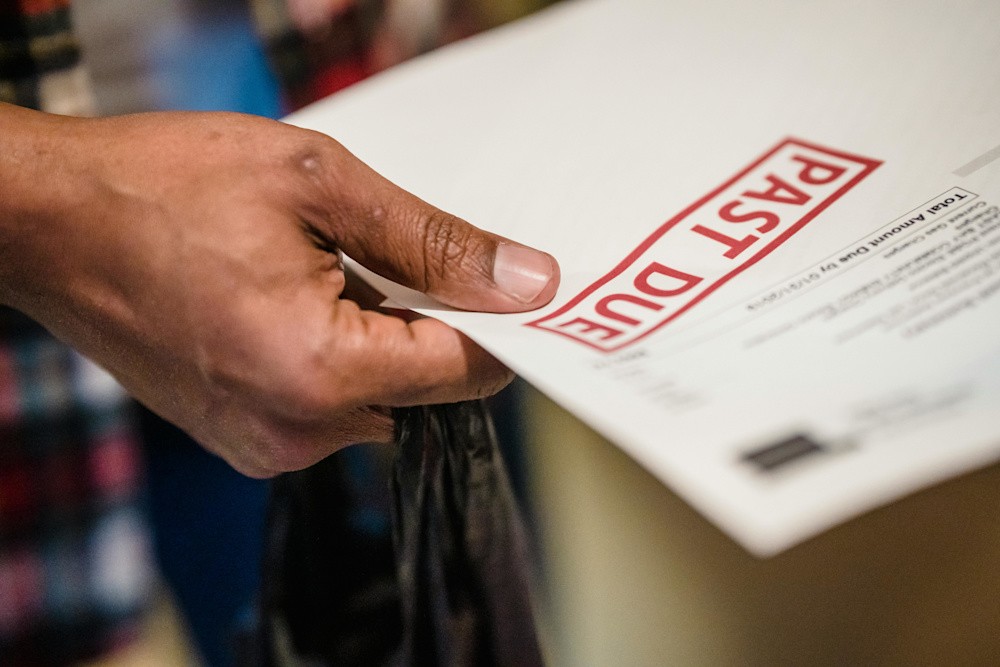
There are consequences when you don’t pay for Japanese National Health Insurance. And it can escalate.
If you can not pay for any reason, contact your local government office immediately, as you could qualify for reductions or exemptions to avoid any of these penalties.
a) Notices by mail
When you first miss your payment deadline, you’ll receive a reminder notice by mail. When you don’t pay by that deadline, you may receive a phone call or get a visit from a city officer to let you know that the payment needs to be made.
b) Short-term insurance card
Within a year, your regular NHI will be replaced with a "short-term insurance” card (短期被保険者証, tanki hihokensha-shō). This card will have an expiration date, but you still have regular NHI benefits. To renew this card, you visit the city office and pay the overdue fees.
You will pay the overdue fees, along with a late fee. There isn't a clear calculation of the late fee. But in general, it’s based on a certain percent and how many days the fee is late.
c) Paying 100% of medical expenses
However, if you do not pay while on the short-term insurance card, then that card will be replaced with an "eligibility certificate" (資格確認書, shikaku kakunin-sho).
You will have to pay 100% of all medical expenses, but you can still apply for a refund. It’s an application with your local city/ward government office to be refunded at a later date.
d) Seized of property
Finally, if you refuse to pay Japanese National Health Insurance premiums, the local government can place a lien on your assets. This means that they can seize funds from your bank account, salary, or other assets without your permission until those premiums are paid.
e) Please note
If you are over the age of 40 in Japan, you are also responsible for nursing care insurance premiums. And any non-payments will have similar consequences.
And if you are a foreign resident, these non-payments can negatively impact future visa renewal applications.
Frequently asked questions
Does Japanese National Health Insurance cover dental?
The Japanese National Health Insurance (NHI) and Employee Health Insurance cover most dental treatments that are essential, like cavities, gum disease, tooth extractions, etc. About 70% is covered, the rest being paid by you. Cosmetic procedures like braces or teeth whitening are not covered and you will have to pay them in full.
What happens to my health insurance if I lose my job in Japan?
If you are employed in Japan and lose your job, you will also lose your shakai hoken (employee’s health insurance). Since health insurance is mandatory, you have 14 days to apply for the NHI at your local city/ward office.
Does the National Health Insurance cover family members?
Japanese NHI does not have a dependent system, so it does not cover family members. Therefore, each person will have their own premiums to pay for.
In closing
Now you know how to pay National Health Insurance Japan premiums. Whether you pay at the store or choose a bank transfer, make sure you pay on time to keep your medical coverage in Japan.
Don’t take the risk of not paying your Japanese health insurance when it comes to living in Japan and your health.


Tammy Dang
Tammy Dang is a writer in Japan who's been living here for 3 years and counting. She covers various topics so that you can be successful in Japan. In her free time, she likes to draw, do arts & crafts, and watch long-form YouTube videos.
- SRE Team Lead, PRE Division Product SRE Department 2, Tokyo
- Money Forward
- Tokyo
- ¥7M ~ ¥10M
- SRE - DataOps/MLOps
- Autify
- Tokyo
- ¥8.5M ~ ¥10M
- Software Engineer
- Solafune
- Tokyo
- ¥7M ~ ¥10M
- Senior Software Engineer
- Solafune
- Tokyo
- ¥10M ~ ¥13M




Latest Tech Jobs 🇯🇵
Explore the top developer jobs in Japan for foreigners
- SRE Team Lead, PRE Division Product SRE Department 2, Tokyo
- Money Forward
- Tokyo
- ¥7M ~ ¥10M
- SRE - DataOps/MLOps
- Autify
- Tokyo
- ¥8.5M ~ ¥10M
- Software Engineer
- Solafune
- Tokyo
- ¥7M ~ ¥10M
- Senior Software Engineer
- Solafune
- Tokyo
- ¥10M ~ ¥13M
- Cybersecurity Document Creation Support
- Solafune
- Tokyo
- ¥5M ~ ¥7.5M
- Security Verification Engineer (Cyber Defense - Gov't Project)
- Solafune
- Tokyo
- Up to ¥8.5M
- Engineering Manager, Money Forward Cloud, Fukuoka
- Money Forward
- Fukuoka
- ¥10M ~ ¥15M
- SRE and Platform Engineering Lead, Platform Department 2, Tokyo
- Money Forward
- Tokyo
- ¥7.9M ~ ¥15M
- AI Tech Lead (Context & Harness), CTO Office
- Money Forward
- Tokyo
- ¥7.9M ~ ¥15M
Get Job Alerts
Sign up for our newsletter to get hand-picked tech jobs in Japan – straight to your inbox.

© 2026 Japan Dev. All rights reserved.
Proudly built in Tokyo.


Curated with 💙 in Tokyo
All our data is gathered from publicly available sources or contributed by users