



Updated January 27, 2026
Japanese Certificate of Eligibility: An Easy Guide to Get One
When applying for a visa to stay in Japan for more than 6 months, you’ll need a document called Certificate of Eligibility, also known as a COE.
But what is it? And how do you get one?
We answer all that and more in this Japanese Certificate of Eligibility guide.
In this article: 📝
What is a COE for a Japan Visa?
A COE or Certificate of Eligibility for a Japanese visa is a document that proves what the person will be doing when they enter Japan.
Whether that is studying at a university or getting a job, this certificate is issued by the Immigration Bureau of Japan after an individual’s sponsoring entity in Japan applies for the certificate on their behalf.
After getting your Japanese COE, it greatly expedites your visa application and immigration process.
Do I need a Japanese COE before entering Japan?
For most long term stays, you’ll need a COE before applying for your visa. After receiving a Japanese Certificate of Eligibility from your sponsor, you can submit that along with the other documents required for your visa application.
It is important to note that the Japanese COE is NOT your permit or visa to enter Japan. Rather, it’s a document that clearly states the purpose of your stay in Japan. Though not always required, having a COE makes it easier for immigration officials to approve your visa application.
However, you do not need a COE for short-term visas, like a tourist visa.
Which Japanese visas need a COE?

Only visas that allow you to live in Japan for 6 months or more require a Japanese COE.
There are 27 different types of COE, but the sponsoring entity located in Japan must apply for the individuals who are trying to enter from abroad.
The most popular Japanese COE are:
Student visa: to study in Japan
Japan investor visa: to establish a business in Japan
Japanese Work Visa: to work in Japan
Japan Startup Visa: a two year visa to prepare your business in Japan
Japan Business Manager Visa: to set up and manage a business in Japan
You will also need a Certificate of Eligibility if you are being transferred to work in Japan.
Again, please note that you do not need a Japanese Certificate of Eligibility if you are on a tourist visa.
How can I apply for a Certificate of Eligibility (COE)?
Only your sponsoring entity in Japan can apply for the COE on your behalf.
This sponsor can be a company in Japan, university or language school, or even a Japanese relative.
Different types of Japanese visas have different COE requirements. For example, a spouse visa’s COE requires a marriage certificate, whereas a working visa may require the employment contracts or company registration documents.
Japanese COE application process:

This is an overview of the Japanese COE application process that your sponsor needs to complete for you.
What are the Japanese COE requirements?
Your sponsor will submit the following documents:
Certificate of Eligibility Application Form (在留資格認定証明書交付申請): Each visa has a different COE application. So pick the one you are applying for.
Passport-size photo of the applicant (you): 4cm x 3cm in dimensions
You may need additional documents, depending on the type of visa you are applying for.
For example, a Japanese working visa’s COE will require a work contract that shows your salary, employment duration, and position. But a Japanese student visa’s COE will require a letter of admission.
Please read the required documents list based on the COE you are applying for: Application for Certificate of Eligibility Required Documents
Who can submit your Certificate of Eligibility application?
You need someone in Japan to submit the Japanese COE application for you. Most of the time, it will be your sponsor that will submit it on your behalf, such as:
Your employer for a working visa
A school representative for a student visa
A relative for a long-term stay visa
Your spouse for a spousal visa
How do you submit a Japanese COE?
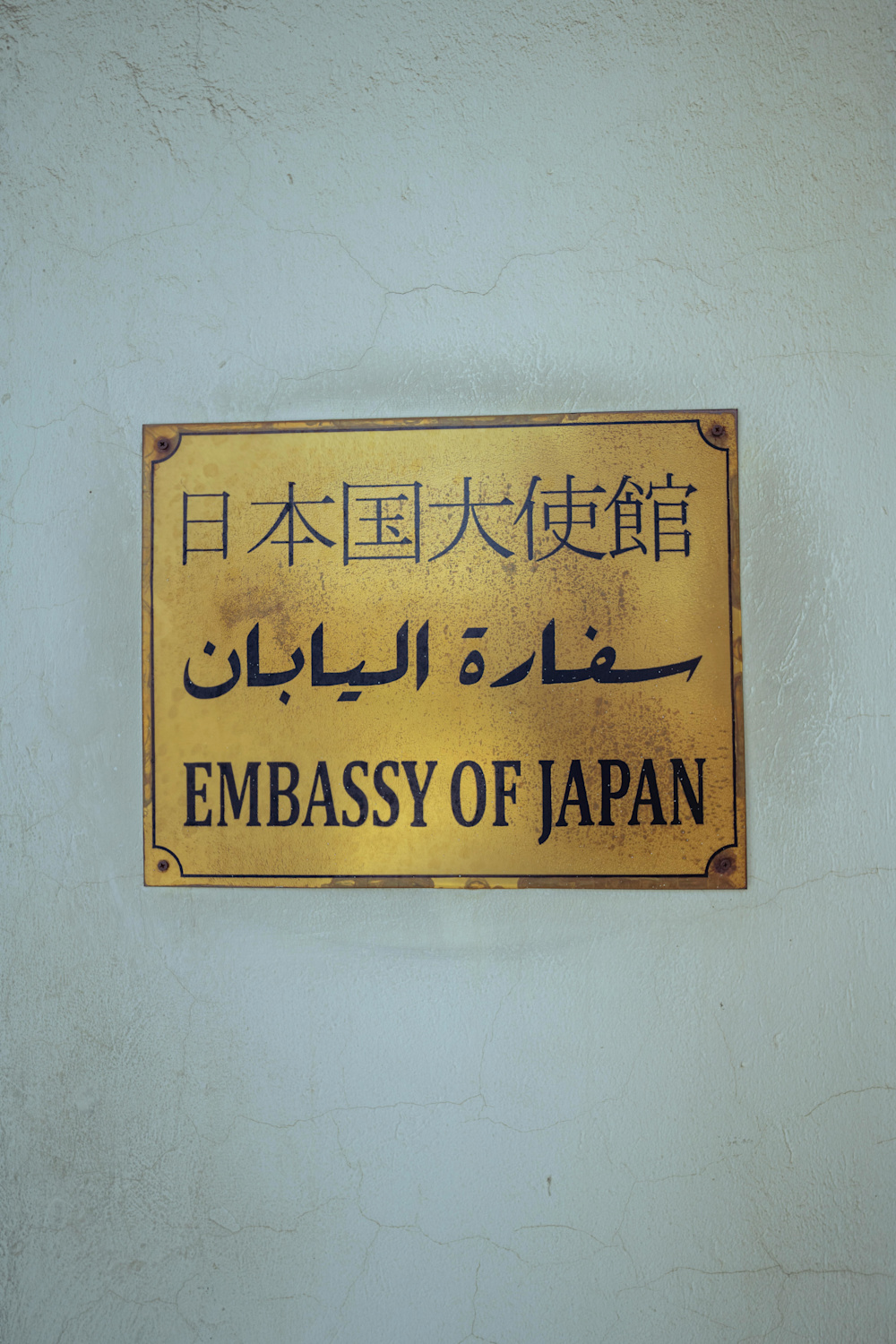
There are two ways to submit a COE Japan application.
In-person submission: Your sponsor can submit your Japanese COE application at the regional Immigration Bureau. Once it's processed, the Immigration Bureau will send your sponsor the COE documents, which your sponsor will then mail the original document (no copies) to you, so that you can apply for your visa to Japan.
Digital Certificate of Eligibility (COE) process: Your sponsor can also submit the Japanese COE application online via the Immigration Services Agency portal. This way, your sponsor can receive the COE via email and send it directly to the applicant, reducing the time it takes to mail the physical documents.
How much does Japan’s COE cost?
There is no application fee for Japan’s certificate of eligibility.
Certificate of Eligibility Japan processing time
It will take about 1-3 months for a COE to be processed.
What to do after getting a COE from Japan?
After receiving the COE from your visa sponsor, you can apply for a visa (along with other required documents) at your nearest Japanese Embassy or Consulate-General.
Why was my COE rejected in Japan?
There may be many reasons why your COE was rejected, but one of the most common reasons is the lack of financial funds for your stay in Japan.
Other common COE rejections include:
Job description not matching the visa requirements
Employer not meeting the required checks (low capital, tax issues, etc)
Inconsistent information
Applicant that has a serious criminal history
Applicant overstayed or violated immigration rules in the past
Unverifiable materials (fake degree, unverifiable work history, etc)
You can avoid a COE rejection by making sure:
The employer/sponsor submits all required documents
All information is consistent
You have solid proof of financial stability
You respond quickly if any additional documents are required.
Frequently asked questions
What's the difference between a COE and a visa?
A COE is one of the recommended documents for your Japanese visa. Depending on the visa type, there are cases where you can apply without a COE, but having one will make the visa process much faster than without it.
Can I apply for a visa without a COE?
That depends on your visa. For short-term stays, like a tourist, then a COE is not required.
Applying for long-term visas (6 months or longer) without a COE is possible, but there could be extra paperwork and longer processing.
How do I get a COE for a dependent in Japan?
If you have a dependent staying in Japan for more than 90 days, then they need a Certificate of Eligibility (Dependent). The application process would be under Family Stay (家族滞在). This is most common for spouses and children supported by foreign residents.
How long does it take to get COE in Japan?
It takes about 1-3 months for the Japanese COE to be processed. Afterwards it can take 1-2 weeks for the document to be physically sent to you (depending where you live), if your sponsor is not using a digital COE.
Does the hiring company need to mail you the COE?
The hiring company has to mail or send the original COE document to you. You, the person receiving the COE, can not check the progress status of the COE. However, if the hiring company applied online, they can help check the status for you. Instruction manual here (in Japanese).
Does a COE guarantee a visa?
No, it does not guarantee a visa. But it does a lot of leg lifting. Either way, you will still need to submit additional paperwork aside from the COE, depending on your visa type.
How long is the Japanese COE valid?
The Japanese Certificate of Eligibility is valid for 3 months from the date of issue. So you will need to apply for your visa before the COE expires.
In closing
Getting a visa to enter Japan can seem difficult at first. The Japanese Certificate of Eligibility is a way to help streamline the paper document confirmation process to ensure everything is verified.
Once you receive that COE, your visa paper processing will go a lot smoother than without one.


Tammy Dang
Tammy Dang is a writer in Japan who's been living here for 3 years and counting. She covers various topics so that you can be successful in Japan. In her free time, she likes to draw, do arts & crafts, and watch long-form YouTube videos.
- Quality Assurance Engineer (Embedded Systems)
- Mujin
- Tokyo
- ¥6M ~ ¥8M
- Product Manager (Hardware Lifecycle & Supply Chain)
- Mujin
- Tokyo
- ¥6M ~ ¥10M
- Senior Software Engineer — Platform (Atlas)
- MeetsMore
- Tokyo
- ¥7M ~ ¥11M
- Senior SRE
- MeetsMore
- Tokyo
- ¥7M ~ ¥11M
- Senior Security Engineer
- MeetsMore
- Tokyo
- ¥7M ~ ¥11M


Latest Tech Jobs 🇯🇵
Explore the top developer jobs in Japan for foreigners
- Quality Assurance Engineer (Embedded Systems)
- Mujin
- Tokyo
- ¥6M ~ ¥8M
- Product Manager (Hardware Lifecycle & Supply Chain)
- Mujin
- Tokyo
- ¥6M ~ ¥10M
- Senior Software Engineer — Platform (Atlas)
- MeetsMore
- Tokyo
- ¥7M ~ ¥11M
- Senior SRE
- MeetsMore
- Tokyo
- ¥7M ~ ¥11M
- Senior Security Engineer
- MeetsMore
- Tokyo
- ¥7M ~ ¥11M
- Robotics Data Engineer
- Omakase Robotics
- Tokyo
- Full Stack Engineer
- Omakase.ai
- Tokyo
- Machine Learning Manager, App SW
- Wayve AI
- Tokyo




Get Job Alerts
Sign up for our newsletter to get hand-picked tech jobs in Japan – straight to your inbox.

© 2026 Japan Dev. All rights reserved.
Proudly built in Tokyo.


Curated with 💙 in Tokyo
All our data is gathered from publicly available sources or contributed by users