



Updated March 12, 2026
Average Cost of Living in Japan: A Realistic Guide & Breakdown
Japan is seen as an exciting place to travel. But what about living there? What’s the average cost of living in Japan? How much do you need to make to live comfortably?
Find out in this guide!
In this article: 📝
The national monthly average of living costs in Japan
Every year, the Statistics Bureau of the Ministry of Internal Affairs and Communications collaborates with the Institute for Statistical Research to publish research on household spending trends in Japan.
In one of their findings, they broke down the national average spending costs on food, housing, etc., for one-person and two or more person households.
National Average Monthly Expenses 2025
1-person household (national monthly average) |
2-person or more household (national monthly average) |
|
|
Food (*) |
49,320 yen |
116,474 yen |
|
Housing (*) |
21,666 yen (*) |
22,121 yen (*) |
|
Utilities |
13,333 yen |
24,014 yen |
Furniture & household goods |
6,120 yen |
15,412 yen |
Clothing & footwear |
4,908 yen |
11,466 yen |
Health care |
8,753 yen |
18,766 yen |
Transportation & communication |
19,333 yen |
42,945 yen |
Education (*) |
36 yen (*) |
11,619 yen |
Culture & recreation |
21,172 yen |
37,326 yen |
Other consumption expenditures |
28,395 yen |
51,380 yen |
Sources: Statistics Bureau of the Ministry of Internal Affairs and Communications, Institute for Statistical Research, Family Income and Expenditure Survey for 2025, for Single Person Households and for 2+ Person Households
(*) Note about the above data:
Some numbers in the table above, such as for housing, education, and food may seem lower than you may be expecting. Please note that this data is pulled from national monthly averages, and does not fully capture different geographic and demographic factors on a local or regional scale. For example, the data may include single household people living with their parents and not paying rent, or a 2-person or more households owning a house and also not paying a monthly rent. This is why data such as housing may seem lower than expected, as it reflects national averages rather than typical costs in urban areas.
According to Japan’s Ministry of Internal Affairs and Communications, 60.1% of single-person households are homeowners. So many respondents are not paying rent, which brings down the housing expenses to nearly 20,000-yen range.
The survey also includes employer-provided housing, which even lowers the reported housing costs. But still, this data is reporting the national average monthly costs throughout Japan and can be used as a starting point to understand the general cost of living.
Daily expenses: How much to live comfortably in Japan?
That depends on your income, where you live in Japan, and your spending habits.
For example, some people like myself can live comfortably in Japan while earning 240,000 yen per month before taxes.
Some fixed monthly expenses are more difficult to adjust. These include:
Credit card bills
But working for a Japanese company can help reduce these expenses. Most automatically deduct health insurance costs and pension payments from your salary. In some cases, the company can help cover housing. Most companies will cover transportation and commuting costs up to a certain limit.
Additionally, if you own a car in Japan, you’ll have to budget for maintenance, fuel, insurance, and other upkeep costs. Your company will most likely cover gas mileage to and from work.
However, these costs all vary depending on your lifestyle, especially if you eat out or spend time doing other leisurely activities.
What's the average living cost in Japan?
National average
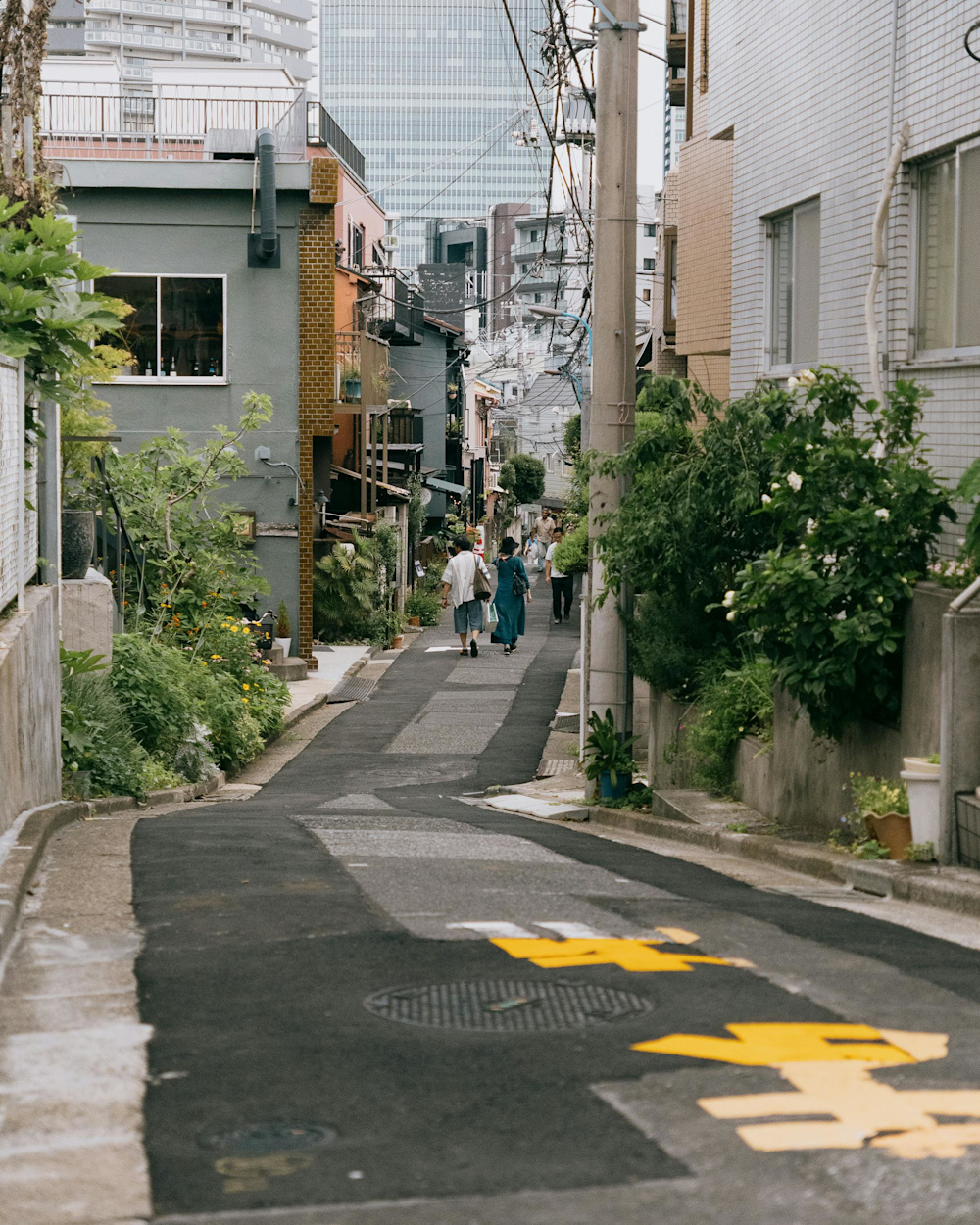
The national cost of living average in Japan is 184,000 yen per month for a one-person household and 325,000 yen per month for a two-person household.
The amount will vary depending on spending habits, family size, and personal priorities.
Prefectural variations
Within the same research finding, they broke down the cost of living in Japan by its prefecture regions.
1-person household |
2-person household |
|
Hokkaido and Tohoku Regions |
183,900 円 |
308,600 円 |
|
Kanto Region |
197,900 円 |
349,900 円 |
Hokuriku and Tokai Regions |
157,400 円 |
327,400 円 |
Kinki Region |
178,100 円 |
305,000 円 |
Chugoku and Shikoku Regions |
178,700 円 |
303,400 円 |
Kyushu-Okinawa Region |
175,400 円 |
278,900 円 |
Translated from the 2024 Ministry of Internal Affairs and Communications "Annual Report of Household Survey”
The most expensive places to live in Japan
The Kanto region is the most expensive place to live in Japan for both one-person and two-person households. For a single person, the average cost of living is ¥197,900 per month, while for a two-person household, the cost is ¥349,900 per month.
This is mainly because of Tokyo and the surrounding metropolitan areas, where housing, transportation, food, and daily expenses are higher.
At the same time, income in the Kanto region is also higher to match the cost of living.
The cheapest places to live in Japan
The cheapest place to live in Japan depends on the household size.
For one-person households, the most affordable regions are the Hokuriku and Tokai regions. This area includes Ishikawa, Toyama, Fukui, Aichi, and Gifu. The average cost of living is ¥157,400 per month.
For two-person households, the cheapest place to live in Japan is the Kyushu-Okinawa region, where the monthly expenses are about ¥278,900.
What I spend living in Japan: Japan living expenses

I have been living in Japan for over 3 years. You can divide my time living here into two phases: living as a student and working in Japan, both with different spending habits.
In general, I had finances from abroad supporting me while under a student visa because I could only work 28 hours part-time.
After working full-time, I followed the 50-30-20 budgeting rule.
Living as a student in Tokyo
As a student visa holder, I was required to have financial support from abroad for my COE and visa application.
This time was one of the most expensive times in Japan, since I didn’t have a stable income. From language school fees to meals to daily expenses, the costs add up. I was able to get a part-time job in Japan, though for only up to 28 hours.
Here are my average expenses living in Tokyo as a student.
Category |
Per month |
Rent + Utilities |
55,000 yen |
Groceries |
8,000-10,000 yen |
Traveling (1-2 times a week) |
1,500-2,500 yen |
Eating out (1-2 times a week) |
4,000-8,000 yen |
Total |
73,000-80,500 yen |
Although I lived in Edogawa, the frequent trips to central Tokyo or elsewhere in Japan and eating out increased my overall monthly expenses.
Working full-time in Fukuoka vs. Osaka
Once I got a full-time job, I knew I needed a budgeting system. With some basic research, I found the 50-30-20 rule.
50% of income: Needs (housing, food, utilities)
30% of income: Wants (entertainment, dining out, leisure activities)
20% of income: Savings and debt repayment
Fukuoka
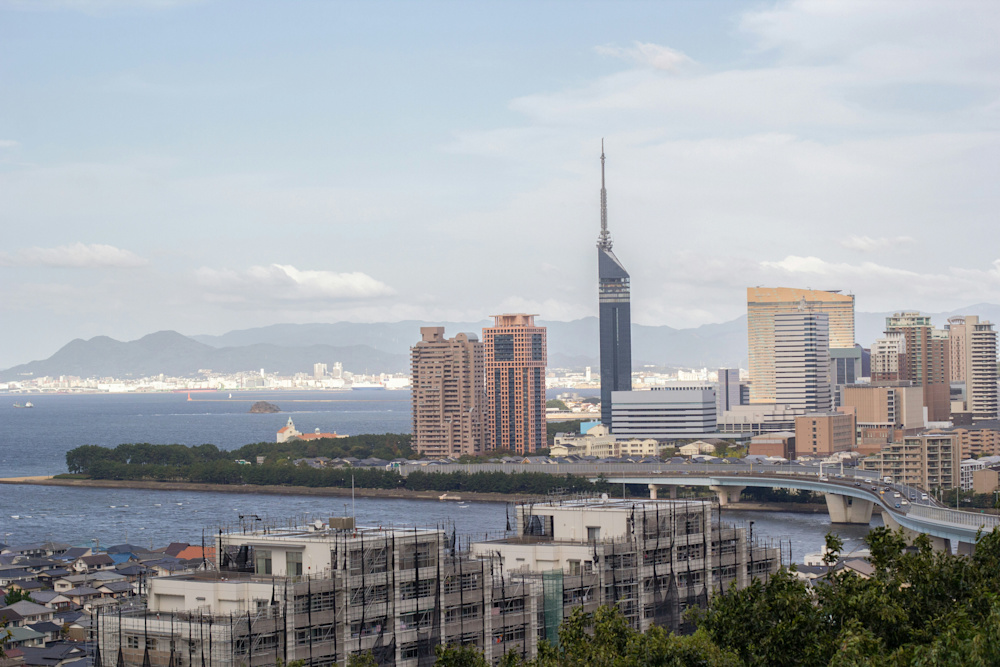
My first job in Japan was in Fukuoka. Now on a full-time income, I can track my expenses more effectively.
Here are my average expenses while living in Fukuoka:
Category |
Per month |
Rent |
60,000 yen |
Utilities (gas, water, electricity) |
6,000 yen |
Groceries |
8,000-12,000 yen |
Traveling (1-2 times a week) |
1,500-2,500 yen |
Eating out (1 time a week) |
3,000 yen |
Other activities |
2,000 yen |
Total |
80,500-85,500 yen |
The city itself felt compact and convenient. Since I lived close to Tenjin and Hakata, I was able to walk to most places.
My apartment expenses were relatively simple, with the internet being included with the rent, which was nice. And socially, my friends preferred casual hangouts rather than going out, which helped control spending.
Overall, Fukuoka was a good city for me to start and maintain a balanced life while managing my expenses.
Osaka
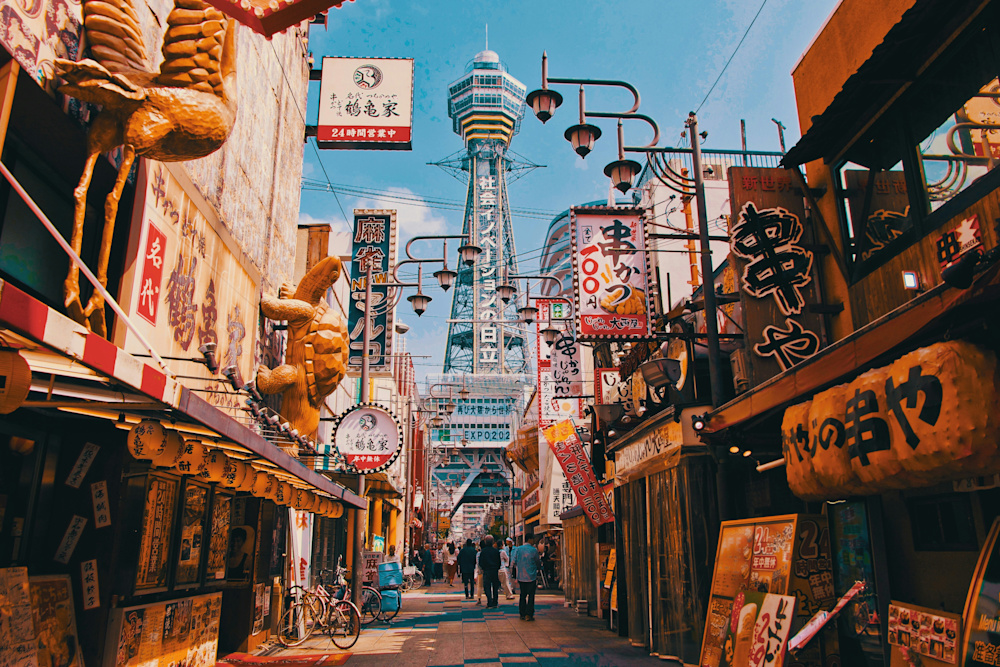
After moving to Osaka, there was a noticeable shift in my expenses.
First, the moving cost from Fukuoka to Osaka was unexpected. In total, it cost 330,000 yen, which included:
Moving company fee: 100,000 yen
Move-in apartment fee: 170,000 yen
Internet setup: 20,000 yen
AC Unit: 20,000 yen
Gas stove: 20,000 yen
After moving, I really needed to be more careful with my money. I became more conscious about my expenses.
For the first three months, I avoided going out and cut back on unnecessary spending. My finances felt tight, since my income for the first month working wouldn’t be deposited until the next month. I also wanted to rebuild my savings as quickly as possible.
However, once I got settled into living in Osaka, things became stable. Here is my cost of living in Osaka:
Category |
Per month |
|---|---|
Rent |
62,000 yen |
Utilities (gas, water, electricity) |
6,000 yen |
Internet |
4,000 yen |
Groceries |
12,000-15,000 yen |
Transportation to the city |
1,200-2,000 yen |
Eating out (2-3 times a week) |
4,000 yen |
Leisure activities |
5,000 yen |
Total |
94,200-98,000 yen |
With frequent trips into the city and more entertaining activities with friends, my overall cost of living in Osaka is higher than it was in Fukuoka.
Frequently asked questions
What is the average cost of living in Japan?
The average cost of living in Japan for one person is 184,000 yen per month ($1,185 USD), and it is 325,000 yen per month ($2,093 USD) for a 2-person household.
How much money do you need to live comfortably in Japan?
The average income in Japan is about 180,000 to 240,000 yen. Rent is a major expense, so the location and type will affect how much money you have left to live comfortably in Japan.
In closing
Living in Japan doesn’t have a one-size-fits-all price tag.
Your monthly expenses greatly depend on where you live, your lifestyle, and how well you manage your finances.
While income is an important factor in living comfortably in Japan, smart budgeting and realistic expectations will help you build a stable and comfortable life in Japan.


Tammy Dang
Tammy Dang is a writer in Japan who's been living here for 3 years and counting. She covers various topics so that you can be successful in Japan. In her free time, she likes to draw, do arts & crafts, and watch long-form YouTube videos.
- SRE Team Lead, PRE Division Product SRE Department 2, Tokyo
- Money Forward
- Tokyo
- ¥7M ~ ¥10M
- SRE - DataOps/MLOps
- Autify
- Tokyo
- ¥8.5M ~ ¥10M
- Software Engineer
- Solafune
- Tokyo
- ¥7M ~ ¥10M
- Senior Software Engineer
- Solafune
- Tokyo
- ¥10M ~ ¥13M




Latest Tech Jobs 🇯🇵
Explore the top developer jobs in Japan for foreigners
- SRE Team Lead, PRE Division Product SRE Department 2, Tokyo
- Money Forward
- Tokyo
- ¥7M ~ ¥10M
- SRE - DataOps/MLOps
- Autify
- Tokyo
- ¥8.5M ~ ¥10M
- Software Engineer
- Solafune
- Tokyo
- ¥7M ~ ¥10M
- Senior Software Engineer
- Solafune
- Tokyo
- ¥10M ~ ¥13M
- Cybersecurity Document Creation Support
- Solafune
- Tokyo
- ¥5M ~ ¥7.5M
- Security Verification Engineer (Cyber Defense - Gov't Project)
- Solafune
- Tokyo
- Up to ¥8.5M
- Engineering Manager, Money Forward Cloud, Fukuoka
- Money Forward
- Fukuoka
- ¥10M ~ ¥15M
- SRE and Platform Engineering Lead, Platform Department 2, Tokyo
- Money Forward
- Tokyo
- ¥7.9M ~ ¥15M
- AI Tech Lead (Context & Harness), CTO Office
- Money Forward
- Tokyo
- ¥7.9M ~ ¥15M
Get Job Alerts
Sign up for our newsletter to get hand-picked tech jobs in Japan – straight to your inbox.

© 2026 Japan Dev. All rights reserved.
Proudly built in Tokyo.


Curated with 💙 in Tokyo
All our data is gathered from publicly available sources or contributed by users