



Updated March 27, 2026
Going to the Emergency Room in Japan: How to Navigate a Medical Emergency in 2026
Dealing with a medical emergency in a foreign country is stressful to say the least. There’s a language barrier, an unfamiliar healthcare system, and a set of unwritten rules that most locals know, so things can get overwhelming fast.
Japan's healthcare system is pretty great. It’s efficient, high-quality, and more affordable than you'd expect, but it does work differently from what you might be used to back home.
In this guide, we’ll walk you through everything you need to know about the emergency room in Japan: When you should (or shouldn't) go, how to get there, what happens once you arrive, and how much it might cost.
But first, let’s see what an emergencency room in Japan is, and how it differs from other urgent care facilities.
In this article: 📝
What Is an Emergency Room in Japan? (救急室)
In Japanese, the emergency room is called 救急室 (kyūkyūshitsu), or more broadly, 救急外来 (kyūkyū gairai), which refers to emergency outpatient care. The distinction matters because Japan draws a clear line between regular clinic and hospital visits and actual emergency care.
Your typical clinic or hospital visit in Japan is scheduled, methodical, and sorted by specialty. You simply book an appointment, show up, wait in an orderly queue, and see a doctor who specializes in exactly what ails you.
Emergency rooms, on the other hand, operate outside of regular hours and are designed for cases that genuinely can't wait. Major hospitals with 24/7 emergency departments primarily focus on critical patients, and those who aren't considered critical may be turned away or redirected to an emergency clinic instead.
Emergency clinics (救急診療所) are somewhere in between. They're open during off-hours, typically weekday evenings and holidays, for conditions that need same-day attention but don't require the full resources of a hospital ER; urgent, but not life-threatening.
This distinction is important because it decides where you’re supposed to go and what to expect when you get there. However, keep in mind that if your condition is serious but not critical, you may still find yourself being redirected. Do not take this personally because the system isn't designed to be unkind but to allocate care to those who need it most urgently.
For a broader look at how to navigate medical care in Japan as a foreigner, check out our guide on how to get medical care in Japan.
When Should You Go to the Emergency Room in Japan?
This is one of those questions that's easier to answer in general terms than with a definitive list.
Generally speaking, symptoms or situations that might call for a visit to a Japanese ER include:
Sudden, severe chest pain
Difficulty breathing
Symptoms of a stroke (facial drooping, arm weakness, speech difficulty)
Serious injuries like deep cuts or broken bones
High fever accompanied by severe symptoms
Sudden loss of consciousness
Severe abdominal pain
Any situation where you feel your life or someone else's may be at immediate risk
Minor colds, low-grade fevers, general fatigue, or conditions you've been managing for a while are typically better handled at a regular clinic during normal hours.
Going to the ER for non-urgent issues in Japan is actively discouraged, not just for cost reasons (more on this later), but because it puts pressure on emergency services that need to prioritize critical patients.
If you're ever unsure whether to visit the ER or call an ambulance, Japan has dedicated phone lines to help you figure that out.
Non Emergency Medical Number Japan: #7119 Number Japan
Besides the emergency contact numbers, Japan also has a non-emergency medical consultation number you can call when you're uncertain.
The number is #7119, and it connects you to the 救急安心センター (Kyūkyū Anshin Sentā), or Emergency Safety Center.
This service is available in most prefectures and is staffed by medical professionals who can help you assess your situation and advise whether you need an ambulance, should visit an ER, or can wait for a regular clinic.
So, if you’ve recognized this number but didn’t know what is #7119 in Japan, just know that it’s your go-to non-emergency medical number.
Please note, however, that this number is for adults only. For children's emergencies, the equivalent number is #8000, which connects parents to pediatric nurses and doctors who can advise on your child's symptoms.
As of now, both services are primarily available in Japanese. If you're not a Japanese speaker, try to have someone assist you with the call or use translation apps to help bridge the gap. Some prefectures are working on expanding multilingual support, but this varies by region.
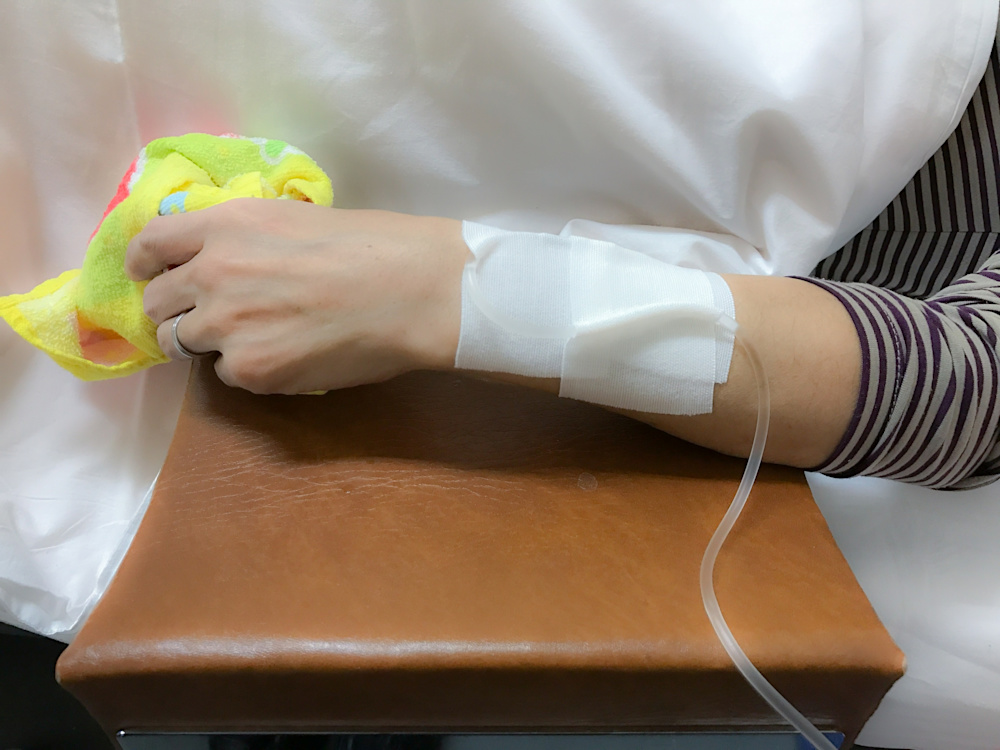
How to Go to a Japan Emergency Room
Here's something that surprises many people new to Japan: You usually don't just show up at the emergency room unannounced. The standard practice, especially for non-life-threatening situations, is to call the hospital first.
This is because hospitals can (and do) turn patients away if they're at capacity, if they don't have the right specialist on duty that night, or if the type of care you need isn't something they can provide at that moment.
So the process typically goes like this: You call the hospital you want to visit, briefly explain your symptoms, and confirm that they can accept you. If your regular doctor is affiliated with a specific hospital, call them directly rather than the general reception line. You'll likely get seen faster and the visit will go more smoothly.
If the first hospital you call can't take you, contact the next one on your list, or call #7119 to get a referral to a hospital that has capacity in your area. Each prefecture maintains its own emergency hospital coordination system.
You can find your prefecture's list on the Fire and Disaster Management Agency's website (available in Japanese only), which provides region-specific information on which hospitals are available. Osaka city residents can also refer to this English-language emergency hospital guide from the city of Yao for emergency rooms in Osaka.
How to Get to the Emergency Room: Navigating Emergency Care in Japan
Once you know where you're going, the next question is how to get there. You've got a few options depending on how urgent your situation is and what's available in your area.
Reaching a Japan Emergency Room by Ambulance (119)
If your condition is life-threatening, call 119 immediately. This is Japan's ambulance and fire emergency number, and dispatchers are available 24/7. When you call, clearly state your location, the nature of the emergency, and the patient's condition as best you can.
If you don't speak Japanese, stay calm and speak slowly. Some dispatch centers have access to interpretation services, and even if communication is difficult, staying on the line helps.
Ambulances in Japan are generally free at the point of call, but there's a caveat worth knowing: some prefectures and cities have introduced fees for ambulance calls where the patient is ultimately not hospitalized. This policy was introduced partly to discourage non-emergency use of ambulance services, which has been a growing concern across the country.
For example, certain cities like Matsusaka in Mie Prefecture charge a fee if you call an ambulance but aren't admitted afterward. The specifics vary by municipality, so it's worth checking the policy in your area ahead of time if you want to be prepared.
That said, none of this should stop you from calling 119 in a genuine emergency. If there's any real doubt about the severity of the situation, call first and sort out the details later.
Reaching Emergency Care in Japan By Car, Taxi, or Public Transport
For situations that are urgent but not immediately life-threatening, getting yourself to the hospital by car, train, bus, or taxi is perfectly reasonable. Standard taxis are also widely available, especially in urban areas.
One option that's less commonly known but worth noting is the care taxi (介護タクシー or 福祉タクシー, kaigo takushi or fukushi takushi).
These are specially equipped vehicles for people with mobility issues or those who need additional assistance during transport. Availability varies by region, so it's worth doing a local search in advance rather than scrambling to find one in an emergency.
What to Expect Once You Arrive at the ER in Japan
When you arrive at a Japanese emergency room, the first thing that happens is triage. This means that a nurse will assess your condition and categorize you by urgency.
Emergency care in Japan is typically sorted into three levels: Primary care for minor conditions treated on an outpatient basis, secondary care for cases that require hospitalization, and tertiary care for life-threatening situations requiring intensive intervention.
It’s important to emphasize that this means you may not be seen in the order you arrived. If someone comes in after you with a more critical condition, they'll be treated first.
Wait times at Japanese ERs can be long, especially for lower-priority cases, so set your expectations accordingly.
When you're called in, be ready to share your name, age, symptoms, and when they started, alongside any medications you're currently taking and whether you've visited that hospital before.
If you have a patient ID card from a previous visit, bring this too. You'll also need your Japanese health insurance card, so keep it somewhere accessible at all times.
On nights and holidays, testing options may be limited, and the doctor treating you may not be the specialist most relevant to your condition.
Also, you'll generally be prescribed only the minimum necessary medication for the immediate situation. If your condition turns out to be serious and you need to be admitted, that's a whole separate process involving additional costs and processes you will have to go through with a specialist.
We also cover this in our article on hospitalization in Japan and what to expect during a hospital stay.
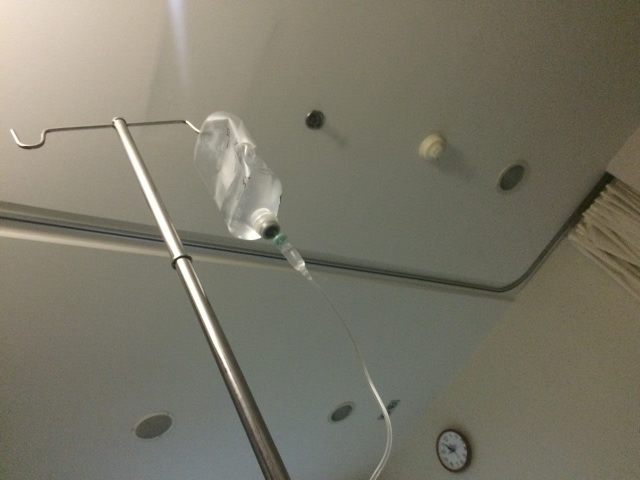
English Language Support at the ER
English support at Japanese emergency rooms varies widely.
Major hospitals in international cities like Tokyo and Osaka are more likely to have English-speaking staff or interpretation services available, but this is far from guaranteed at smaller hospitals or in rural areas.
So, if you're outside a major city, having someone who speaks Japanese accompany you can make a significant difference.
That said, some hospitals do have dedicated multilingual lines or bilingual staff on rotation. For a comprehensive list of hospitals that serve English-speaking patients in the capital, check out our guide on English-speaking hospitals in Tokyo.
Emergency Room Cost in Japan
One of the most pleasant surprises for people new to Japan's healthcare system is how manageable medical costs can be, especially for insured residents. That said, emergency room costs in Japan do have some nuances that you should be aware of.
Japan Emergency Room Cost With Japanese Health Insurance
Everyone legally residing in Japan is enrolled in some form of health insurance, either the national plan (kokumin kenko hoken) or an employer-provided insurance.
This typically covers 70% of your medical costs, meaning your out-of-pocket co-pay is around 30%. For a basic emergency room visit, like a minor cut that needed cleaning and a bandage, you might pay as little as ¥1,000 to ¥2,000 out of pocket at the hospital, plus a similar amount at the pharmacy.
The catch is that visiting outside of regular hours comes with surcharges layered on top of your base treatment cost. Here's a general breakdown of the additional fees you can expect:
Surcharge Type |
Approximate Additional Fee |
Overtime / after-hours (夜間・早朝等加算) |
+¥500 per visit (at clinics) |
Late-night surcharge (深夜加算) |
+¥2,300 to ¥4,800 (initial visit) |
Holiday surcharge (休日加算) |
+¥2,500 (initial visit) |
Emergency hospital late-night / holiday surcharge |
+¥2,300 initial / ¥1,800 follow-up |
The above figures reflect approximate costs before your insurance co-pay reduction. Children under 6 often have higher added fees, but may also be covered by municipal child medical subsidies.
Exact surcharge amounts vary by hospital and region, so it's worth confirming when you call ahead. Some hospitals also require a cash deposit, sometimes ¥10,000 to ¥30,000, if the billing staff aren't on duty. This is then reconciled during regular hours.
If you end up being hospitalized, expect additional costs depending on the type of room (private vs. shared), length of stay, and optional services like internet access or specific meal preferences. Here’s our guide to hospitalization for more information. Our guide to Japan's healthcare system for expats also has more details on how costs and insurance work in practice.
Japan Emergency Room Cost Without Japanese Health Insurance
Sadly, tourists and anyone not enrolled in the Japanese health insurance system pay the full cost of treatment, typically 100% of the bill, with no subsidy.
Travel insurance is strongly recommended for this very reason. Some hospitals, particularly those accustomed to seeing international visitors, will require an upfront payment (sometimes ¥40,000 or more) before treatment and settle the final amount afterward.
For expats who haven't yet enrolled in the national insurance system, this is a good reminder: Enrollment is mandatory, and getting it sorted as soon as possible protects you financially if something like this comes up.
Emergency Hospitals in Japan: Tokyo, Osaka, and Fukuoka
Before we conclude our post, here's a quick overview of emergency hospital options in three of Japan's major cities. It's worth bookmarking the ones most relevant to where you live or are visiting, rather than searching in a panic during an actual emergency.
Emergency Rooms in Tokyo
Tokyo has several hospitals with 24/7 emergency care and English-speaking staff. The four major metropolitan hospitals are:
Hiroo Hospital (Shibuya ward): 03-3444-1181
Bokutoh Hospital (Sumida ward): 03-3633-6151
Tokyo Metropolitan Children's Medical Center (West Tokyo, pediatric): 042-300-5111
For a more comprehensive list of English-speaking options in the capital, our English-speaking hospitals in Tokyo guide is a great resource.
Emergency Room in Osaka
Osaka has a well-established emergency medical network. Two hospitals worth noting are Yao Municipal Hospital in Yao City, a key acute care facility in the Osaka area with an English-language emergency page, and Osaka Gyomeikan Hospital in Konohana-ku, a large general hospital with 462 beds offering 24/7 acute care.
Gyomeikan does provide services for international visitors, though non-insurance holders have to pay full costs plus an upfront deposit, and a ¥35,000 interpreter fee applies if you don't bring your own. English information is available on their website, and their main number is 06-6462-0261.
Emergency Rooms in Fukuoka
For those in Kyushu, Fukuoka has solid emergency infrastructure. Fukuoka University Hospital's Emergency Medical Care Center in Jonan-ku operates 24/7 and handles both primary and secondary emergencies, with the affiliated Emergency and Critical Care Center taking on tertiary (life-threatening) cases. Their main line is 092-801-1011.
The Fukuoka City International Foundation also maintains an updated list of emergency hospitals and after-hours clinics in the area.
Final Thoughts on Emergency Care in Japan
Hopefully, you will never need to use this guide, but if you do, at least you now know what to expect.
Japan's emergency care system is genuinely well-organized, and the quality of care is high. The main challenges for foreigners tend to center on the language barrier, the unfamiliar process of calling ahead, and knowing which number to call when you're unsure of the help you need.
To recap the key points we covered:
Call ahead before going to the ER
Use #7119 if you're unsure whether you need emergency care
Bring your health insurance card
Have some cash on hand for deposits or after-hours surcharges
Now that you have a good grasp of the emergency rooms in Japan, why not check out our detailed post on preparing an emergency survival kit? If you’re the anxious type, knowing you’ll do everything correctly when an emergency strikes might give you the peace of mind you need.


Japan Dev Team
This post was written by our Japan Dev editorial team.
- Senior Data Engineer - MIDAS Data Platform, Digital Bank
- Money Forward
- Tokyo
- ¥6.5M ~ ¥11M
- Client Delivery Lead
- Kraken Technologies
- Tokyo
- Senior Client Delivery Lead
- Kraken Technologies
- Tokyo
- Software Developer
- Limina
- Tokyo
- Client-Facing Solution Architect
- Visual Alpha
- Tokyo
- ¥7M ~ ¥11M




Latest Tech Jobs 🇯🇵
Explore the top developer jobs in Japan for foreigners
- Senior Data Engineer - MIDAS Data Platform, Digital Bank
- Money Forward
- Tokyo
- ¥6.5M ~ ¥11M
- Client Delivery Lead
- Kraken Technologies
- Tokyo
- Senior Client Delivery Lead
- Kraken Technologies
- Tokyo
- Software Developer
- Limina
- Tokyo
- Client-Facing Solution Architect
- Visual Alpha
- Tokyo
- ¥7M ~ ¥11M
- Senior Full-Stack Software Engineer
- Visual Alpha
- Tokyo
- ¥5M ~ ¥9M
- Senior Software Engineer (WES & Fleet Management)
- Mujin
- Tokyo
- ¥8M ~ ¥15M
- Full Stack Engineer (Applications for Robots in Home Environments...
- AI Robot Association (AIRoA)
- Tokyo
- Lead System Integration Robotics Engineer - Logistic Division
- Telexistence
- Tokyo
- Robotics Software Engineer - Motion Planning
- Telexistence
- Tokyo



Get Job Alerts
Sign up for our newsletter to get hand-picked tech jobs in Japan – straight to your inbox.

© 2026 Japan Dev. All rights reserved.
Proudly built in Tokyo.


Curated with 💙 in Tokyo by Eric Turner
All our data is gathered from publicly available sources or contributed by users