



Updated June 3, 2025
Surviving a Pollen Allergy in Japan - Our Best Tips
You've just moved to Japan, excited about cherry blossoms and spring adventures, when suddenly your eyes start itching, your nose won't stop running, and you're sneezing up a storm.
Sound familiar?
Welcome to "kafunsho (花粉症)", Japan's notorious pollen allergy season.
Whether you’re a newcomer or visitor, understanding kafunsho can make all the difference between enjoying your time here and feeling miserable.
In this guide, we’ll tell you all you need to know to tackle Japan’s pollen season, from identifying triggers to finding relief, so read on.
In this article: 📝
Understanding Pollen Allergy in Japan: The Basics
Kafunsho (花粉症), literally "pollen disease" in Japanese, is an allergic reaction to airborne pollen that affects an estimated 25-30% of Japan's population. While many countries have pollen allergies, Japan's situation is unique because of its intensity and widespread impact.
What makes Japan's pollen allergy particularly challenging is the combination of high pollen concentration and urban environments, creating a perfect storm for allergy sufferers.
During peak season, you’ll notice most people wearing masks and see pharmacies with entire sections dedicated to kafunsho remedies.
The condition can range from mildly annoying to severely debilitating, sometimes forcing sufferers to alter daily routines or take time off work.
If you haven't experienced pollen allergy before coming to Japan, don't be surprised if you develop symptoms for the first time here. Many expats report developing sensitivities after a few years of exposure.
Cedar Pollen Allergy Japan: The Main Culprit
The primary villain in Japan's allergy season is the Japanese cedar (sugi/杉) tree, responsible for approximately 70% of pollen allergy cases. This isn't coincidental but largely a human-created problem with historical roots.
After World War II, Japan engaged in extensive reforestation programs, planting millions of fast-growing cedar trees across the country. These trees were chosen for their economic value and rapid growth rate, with little to no consideration for their allergenic potential.
Fast forward several decades, and these now-mature cedars release massive amounts of pollen each spring.
The second most common culprit is the cypress (hinoki/檜) pollen, which typically follows the cedar season. Other notable allergens include Japanese birch, Japanese alder, ragweed, and rice pollen during cultivation season.
Your specific triggers might differ from the majority. If you're experiencing symptoms but aren't sure what's causing them, consider getting an allergy test at a clinic. These tests are relatively inexpensive in Japan and can help you develop a targeted prevention strategy.
Pollen Allergy in Japan Symptoms: What to Watch Out For
How can you tell if you're suffering from pollen allergy rather than a common cold?
Pollen allergy symptoms typically appear suddenly when exposed to pollen, worsen on dry, windy days, and improve on rainy days or when indoors with filtered air. Unlike colds or flu, pollen allergies don't include fever but often involve itching of the eyes, nose, throat, and ears.
Japanese hay fever symptoms can be quite intense. The most common manifestations include sneezing fits in rapid succession, a runny or congested nose with clear watery discharge, and itchy, red, watery eyes, one of the most distinctive symptoms.
Many sufferers also experience a scratchy throat with a persistent tickle that triggers coughing, fatigue from the body's ongoing immune response, and sometimes skin irritation when pollen contacts their skin.
For many sufferers, the symptoms go beyond physical discomfort. The constant irritation can affect sleep quality, concentration, and overall mood, leading to decreased productivity during peak pollen season.
Pollen Allergy Season in Japan: Timeline and Regional Differences
Japan experiences several pollen seasons throughout the year, with the spring cedar pollen season being the most infamous. Let’s have a more in-depth look at each one.
Spring Allergies Japan: The Main Battle (February to May)
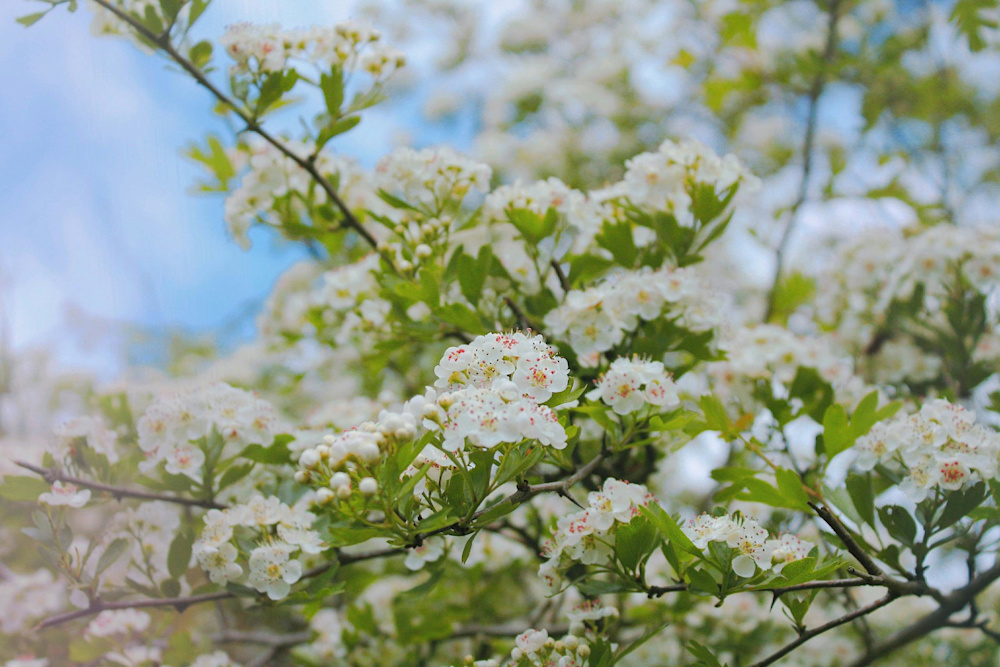
Cedar pollen season usually starts mid-February and peaks in March, creating the most intense allergy period. This is followed by cypress pollen, typically peaking in April. Throughout May, pollen from various other tree species continues to be released, prolonging the allergy period.
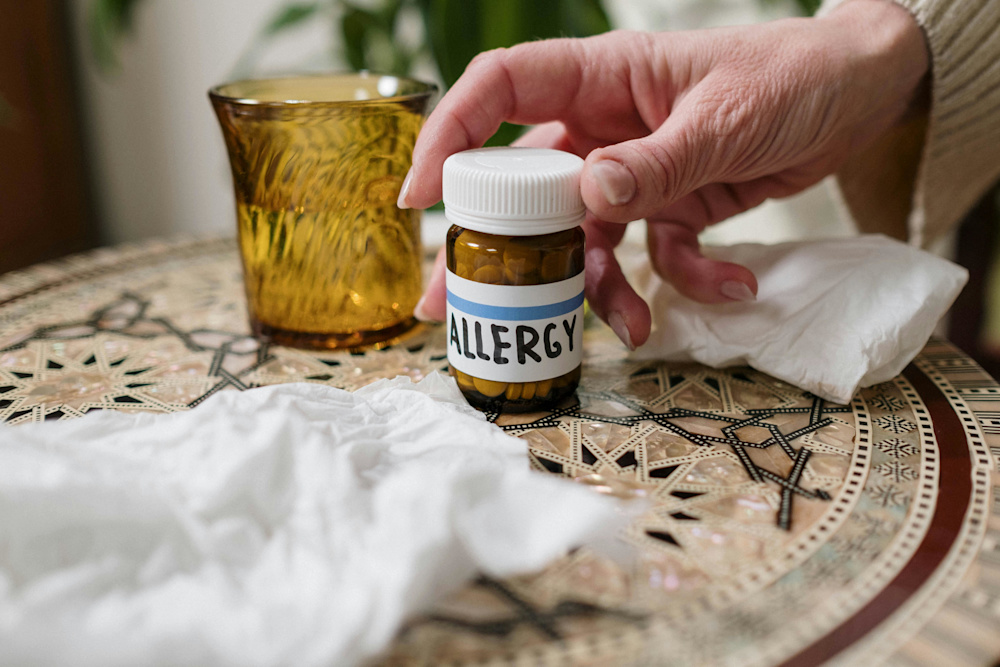
The transition between different pollen types can cause fluctuating symptoms. Overlapping allergens can intensify symptoms, especially for those sensitive to multiple pollens, making spring a relentless challenge.
Summer Allergy Season in Japan (June to August)
During the summer, various grass species release pollen. Rice pollen also becomes an issue during cultivation periods, particularly in rural areas.
While summer allergies are generally less severe than spring for most people, they can be just as challenging for those with specific sensitivities.
The high humidity of Japanese summers can also aggravate respiratory symptoms, creating a different but equally uncomfortable experience. Summer allergies often coincide with increased insect activity and mold spores, creating a complex mix of triggers that can be difficult to identify without proper testing.
For those who suffer from summer allergies, the relief of escaping cedar season can be frustratingly short-lived as new allergens emerge with the changing seasons.
Fall Allergy Season in Japan (August to October)
Ragweed and other weed pollens emerge in late summer through fall, catching many off guard.
Fall allergy symptoms tend to persist longer for many people, as the gradual cooling and drying of the air create ideal conditions for pollen to remain airborne.
Urban areas often experience extended fall allergy seasons as concentrated ragweed populations thrive in vacant lots and construction sites. The fall season is particularly challenging for those with multiple sensitivities, as mold spores also increase with falling leaves and seasonal rainfall.
According to the Japan Weather Association's 2025 forecast, this year's cedar pollen dispersion is expected to be higher than average in eastern and northern Japan, with peak dispersion from late February through March in the Tokyo region.
Different regions experience varying pollen levels and timing:
Hokkaido has a later, shorter pollen season
Tohoku typically starts in late March
Kanto (including Tokyo) begins in mid-February with intense March peaks
Kansai follows a similar pattern but starts slightly earlier
Kyushu often experiences the earliest start, sometimes in late January
Local weather forecasts include daily pollen counts during the season, allowing you to plan accordingly for high-pollen days.
How to Survive Pollen Allergy Japan: Practical Strategies
Living through pollen season requires a multi-faceted approach that Japanese residents have perfected over the years. Here are some effective tips to get you through the season.
Daily Planning for Allergy Season in Japan
It’s important to be proactive, so during the peak season, check pollen forecasts daily.
When counts are high, consider indoor alternatives or schedule outdoor time after raining when pollen counts are lowest. If possible, adjust your commute to minimize outdoor exposure during high-pollen hours. Many Japanese weather apps provide hourly pollen forecasts that allow you to plan your day precisely.
Some residents even plan their vacations around pollen season, heading to snow-covered mountains or southern islands where pollen counts are lower. Local municipalities often distribute pollen warning calendars at the beginning of the year so you can prepare in advance for the most challenging periods.
Protective Gear for Japanese Hay Fever Symptoms
When it comes to protection, it’s important to note that masks specifically labeled for pollen (花粉症用/kafunsho-you) have tighter weaves and better filtration than standard masks.
Wraparound glasses or sunglasses can help prevent pollen from reaching your eyes, while pollen-blocking sprays for clothing and hair can also reduce pollen exposure.
During peak season, you'll notice many Japanese people wearing what appears to be full battle gear against pollen. This includes specialized masks with small ventilation valves, glasses that wrap completely around the eyes, and even coat covers that are removed before entering buildings.
Some commuters wear disposable plastic raincoats over their clothes, which might seem extreme, but they effectively prevent pollen from sticking to fabric. The range of protective products available in Japan reflects how seriously the population takes this seasonal challenge.
Home Management During Spring Allergies Japan
Your home also needs proper “allergy proofing,” so start by creating a "pollen lock" — simply remove outdoor clothing in your entryway before entering your main living space.
Secondly, invest in a HEPA filter air purifier, as many Japanese models have specific pollen-catching modes. In addition to these, showering and washing your hair after being outdoors, avoiding hanging laundry outside during peak season, and keeping windows closed during peak hours (typically 10 am–4 pm) are other simple yet effective measures you can take.
Natural Symptom Relief for Hay Fever Japan Symptoms
If you’re already dealing with mucus and teary eyes, saline nasal rinses and eye wash cups can physically flush pollen from the nasal passages and eyes.
Traditional Japanese neti pots (鼻洗浄器/hana senjo-ki) are available at most drugstores and have become increasingly popular as a non-medicinal approach to symptom management. Cold compresses applied to the eyes and sinuses can also provide temporary relief from inflammation and itching.
Some allergy sufferers find that consuming local honey year-round may help build tolerance to local pollens, though scientific evidence for this remains limited. Staying well-hydrated is another simple but effective strategy that many Japanese doctors recommend, as it helps thin mucus secretions and flush allergens from your system.
Pollen Allergy Medicine Japan: Relief Options
When prevention isn't enough, medication provides the relief you need. Try one or more of the methods below if you have already started to feel that dreaded post-nasal drip.
Seasonal Allergy Medicine Japan: Over-the-Counter Options
Japanese drugstores have extensive allergy sections with clearly marked packaging, often including English information. Look for products labeled 花粉症 (kafunsho) or アレルギー (arerugii/allergy).
Popular antihistamine tablets include Allegra (アレグラ, non-drowsy), Zyrtec (ジルテック, effective but may cause drowsiness), and Claritin (クラリチン, non-drowsy). For nasal symptoms, Contac (コンタック) nasal sprays contain decongestants, while AG Nose Spray offers a gentler saline-based option.
Pollen allergy eye drops in Japan are particularly advanced, as they’re specifically formulated for the cedar pollen season. Drops like Rohto Z (ロートZ) provide a cooling effect for itchy eyes, while Sante FX Neo (サンテFXネオ) comes in various strengths for different symptom levels.
Many Japanese OTC medications come in convenient single-dose packets and are formulated to minimize drowsiness.
Prescription Strength Pollen Allergy Medicine in Japan
If the OTC stuff doesn’t cut it, modern medicine has you covered! For severe symptoms, doctors can prescribe stronger medications like Desloratadine and higher-dose Fexofenadine, which are more effective.
Prescription nasal sprays containing Fluticasone or Mometasone provide more effective inflammation reduction. Leukotriene inhibitors such as Montelukast can be particularly helpful when combined with antihistamines.
Most allergy specialists in larger cities speak at least basic English. The standard approach is visiting an Ear, Nose, and Throat specialist (耳鼻科/jibika), though general practitioners can also prescribe allergy medications.
Long-Term Relief: Immunotherapy for Cedar Pollen Allergy Japan
For long-term sufferers, immunotherapy options can also provide lasting relief.
Sublingual immunotherapy involves taking cedar pollen tablets under the tongue daily, starting 2-4 months before pollen season. The treatment requires 3-5 years for maximum effect, but many report reduced symptoms after the first year.
Allergy shots involve regular injections of allergens in gradually increasing doses. While requiring commitment to regular clinic visits, they're considered the most effective long-term solution for severe cases.
Essentially, both treatments work by gradually desensitizing your immune system to specific allergens.
Online Doctor Services for Spring Allergy Medicine Japan
For those with busy schedules or language barriers, online services offer allergy consultations in English.
Clinic For in Yotsuya provides online consultations with English-speaking doctors who understand the challenges of pollen allergy in Japan. Their specialists can diagnose your condition, recommend treatments, and issue prescriptions that can be delivered to your home.
OH! Doctor offers kafunsho consultations in Japanese, English, and Chinese. The platform allows photo uploads of symptoms and maintains a digital record of your treatment history.
Their multilingual approach is particularly valuable for expatriates who might struggle to express complex symptoms in Japanese. Their doctors can also help navigate the sometimes-confusing array of Japanese allergy medications, explaining differences between similar-looking products and recommending appropriate treatments based on your specific symptoms.
These services typically cost ¥3,000-5,000 per consultation, with some accepting Japanese health insurance. For recurring seasonal allergies, many platforms offer discounted follow-up consultations.
Conclusion: Surviving Spring Allergies Japan
Living with kafunsho in Japan is manageable with the right approach.
Millions face this challenge annually, but the silver lining is that Japan's pollen problem has led to excellent research, innovative products, and a widespread understanding of the condition.
If you're struggling with kafunsho and need medical attention, don't let language barriers stop you from getting help. Check out our guide to English-speaking hospitals in Tokyo to find healthcare providers who can assist you in your native language.
For a broader understanding of navigating healthcare in Japan as an expat, our comprehensive overview of Japan's healthcare system covers everything from insurance to hospital visits.
With some preparation and the right resources, it is possible to make it through pollen season with your sanity mostly intact. Here's to breathing easier this spring!


Japan Dev Team
This post was written by our Japan Dev editorial team.
- Computer Vision Engineer (Object Detection & 3D Pose Estimation)
- Mujin
- Tokyo
- ¥8M ~ ¥13M
- Robotics Algorithm Engineer (Control & Motion Planning)
- Mujin
- Tokyo
- ¥8M ~ ¥13M
- Senior Software Engineer
- Blued
- Tokyo
- ¥9M ~ ¥13M
- Full Stack Engineer, Tech Lead Track
- KATIX
- Tokyo
- ¥5M ~ ¥8M
- Engineering Team Lead, Management Track
- KATIX
- Tokyo
- ¥7M ~ ¥9M



Latest Tech Jobs 🇯🇵
Explore the top developer jobs in Japan for foreigners
- Computer Vision Engineer (Object Detection & 3D Pose Estimation)
- Mujin
- Tokyo
- ¥8M ~ ¥13M
- Robotics Algorithm Engineer (Control & Motion Planning)
- Mujin
- Tokyo
- ¥8M ~ ¥13M
- Senior Software Engineer
- Blued
- Tokyo
- ¥9M ~ ¥13M
- Full Stack Engineer, Tech Lead Track
- KATIX
- Tokyo
- ¥5M ~ ¥8M
- Engineering Team Lead, Management Track
- KATIX
- Tokyo
- ¥7M ~ ¥9M
- Senior Backend Engineer - Full Cycle Retail Robotics Engineering
- Telexistence
- Tokyo
- Robotics Operations & Field Deployment Engineer
- Kanaria Tech
- Tokyo
- Reliability Engineer, Market Data
- Two Sigma
- Tokyo
- FullStack Engineer (Satellite Operation Planning)
- Synspective
- Tokyo
- Senior Software Engineer - Engage Studio
- Treasure AI
- Tokyo





Get Job Alerts
Sign up for our newsletter to get hand-picked tech jobs in Japan – straight to your inbox.

© 2026 Japan Dev. All rights reserved.
Proudly built in Tokyo.


Curated with 💙 in Tokyo
All our data is gathered from publicly available sources or contributed by users