



Updated November 21, 2024
The Zairyu Card: How to Navigate Japan's Residency System
If you're planning to live in Japan for an extended period, one of the first documents you'll need to obtain is the zairyu card, or "residence card".
It's important to understand what the zairyu card is. You should also know how it differs from a Japanese visa, and what you need to do to get one if you want to ensure a smooth transition into life in Japan. This guide will cover everything you need to know about the zairyu card. Let’s start by explaining how this residence card differs from a visa.
In this article: 📝
Visa vs. Zairyu Card: What’s The Difference
As you know, any foreigner who comes to Japan requires a visa to enter the country. Your visa is issued by a Japanese embassy or consulate in your home country before you travel, and you can't get past the border without it.
On the other hand, the zairyu card is what allows you to live in Japan legally after you’ve arrived. You'll get this card at any major International Airport when you land or it’ll be sent by post from the Immigration and Department of Residence to the address provided once you register at your local municipal office.
Essentially, your zairyu card proves your legal residency status and acts as your primary identification while living in Japan. Let’s go over it in more detail.
Residence Card Japan: Use Cases
It’s important to remember that the zairyu card is more than just a formality. It serves multiple important purposes during your stay here in Japan, and it’s a document you don’t want to lose as it can pose a big inconvenience.
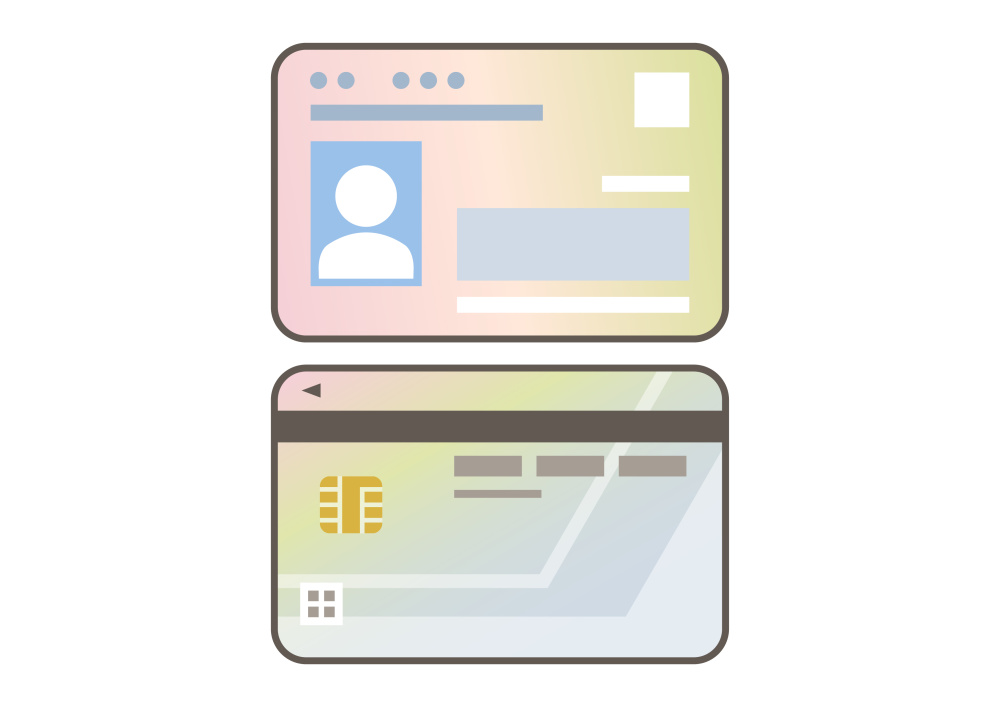
The zairyu card contains key information such as:
Your name
Date of birth
Nationality
Your address in Japan
Residence status (i.e. the type of visa you have)
Your period of stay (Expiration date)
Your photograph
The zairyu card’s primary function is to serve as an official ID for foreign residents, ensuring you can legally reside in Japan.
Here are some common situations where you'll need your residence card:
Opening a bank account: Banks require proof of residency and your zairyu card serves that purpose.
Signing a lease for an apartment: Property managers will want to verify your residency status before you can move in.
Access to health care: Registering for National Health insurance or visiting a hospital for treatment requires you to show your residence card.
Getting a mobile phone contract: Mobile phone carriers will need to see your residence card before providing you with a SIM card or signing a contract.
Accessing government services: If you need to interact with local government offices, a residence card will be required.
As you can see, most daily activities that require proof of residence would be impossible without the zairyu card. It’s important to hold on to it tightly because a lost zairyu card can really become a serious headache.
How To Get A Zairyu Card: Zairyu Card Requirements, Application Process
Now that you have a good idea of just how important this card is, let's talk about the various you can obtain one.
Eligibility for a Zairyu Card
As we said, most foreign nationals who plan to live in Japan for over three months are eligible for a zairyu card. This includes those on work visas, student visas, family-related visas, and, of course, permanent residency.
That said, some long and short-term visa types do not give the holder a standard residency status.
These include short-term visitors or those staying less than 90 days, but some other categories, like diplomats, are also not eligible for this card. As diplomatic visas are governed by international treaties, the residency status of such persons is regulated by a different law.
Zairyu Card Requirements: Documents Needed for a Zairyu Card
To apply for a zairyu card, you will need the following documents:
A valid passport
Your visa (granted to you before entering Japan)
A completed zairyu card application form
A passport-sized photograph (4 cm in length and 3 cm in width)
In some cases, they might even take your photo during the process, so the preparation is rather simple.
The Procedure: How To Get A Zairyu Card
In general, residents of foreign nationalities usually obtain their zairyu cards in one of the following ways.
Upon arrival: If you arrive in Japan through one of the major airports, such as Narita, Haneda, Kansai, or Chubu, you will receive your zairyu card at the airport after going through immigration. The staff will give you a card, and within 14 days you’re required to present it with your passport at your local city hall to complete the registration process as a resident.
Post-arrival: If you arrive at a smaller airport or entry point, you won't get the card immediately. Instead, you'll receive a stamp in your passport at the airport, and you'll need to visit your local municipal office within 14 days of finding accommodation. There, you will register as a resident, and they will mail your zairyu card in as little as a few days or a couple of weeks.
Keep in mind that even if you obtain the card at one of the bigger airports, you'll still need to go to the municipal office to register your address within 14 days of moving into your new home. This step is crucial, so don't forget it, as the government needs to be informed of where you've settled as a new resident.

Address Registration After Receiving Your Zairyu Card
After finding a place to live, register your address at your local municipal office within 14 days of obtaining the residence card. This step is crucial for accessing essential services in Japan.
Documents You’ll Need: Make sure to bring your zairyu card, passport, and proof of residence, such as a lease agreement or utility bill. If you're registering family members, you'll also need documents that verify your relationship.
Where to Go: Visit the City Hall or ward office that serves your area. You'll need to fill out a moving-in notification form with basic details like your name, nationality, and address.
After Registration: Once your address is registered, they will update the back of your zairyu card with your new address. You should also request a copy of your resident record, called a juminhyo, which will be useful for various services like opening a bank account or applying for health insurance.
As you can tell, the process is pretty straightforward, but it's essential to get it done promptly to ensure you remain in compliance with Japanese residency requirements.
The Validity of Zairyu Card: When Do You Need a Zairyu Card Renewal?
The validity of your zairyu card depends largely on your residency status.
If you're a permanent resident or a highly skilled professional, your zairyu card will be valid for seven years.
If you have any other type of visa, your card will usually be valid for one to five years, expiring the day your visa does.
Needless to say, it's important to keep track of your zairyu card's expiration date. You'll need to renew your card before it expires to ensure your legal status in Japan remains intact. Failing to renew could lead to significant complications, including penalties or even deportation.
Do You Need To Carry Your Zairyu Card at All Times?
The short answer to this question is yes. If you are 16 years or older, you're legally required to carry your residence card with you at all times.
If a police officer or immigration official asks to see your identification and you can’t present your zairyu card, you could face serious penalties. This could mean a fine of up to ¥200,000. It's important to comply calmly with such requests. Refusing to provide your zairyu card to an official is considered a crime and can result in imprisonment.
Lost Zairyu Card: What Happens If I Lose My Zairyu Card?
Losing your zairyu card can be a stressful experience, to say the least. If you do happen to lose it, follow these steps:
Report the loss: Go to the nearest police station and report your lost card as soon as possible. The police will provide you with a loss report certificate, which you’ll use to get a new card issued, so keep this safe.
Apply for a reissuance: Next, visit your local immigration office with the following documents:
Your passport
The loss report certificate obtained from the police
A passport-sized photo (4 cm x 3 cm)
A completed application form for reissuing the card
Losing your zairyu card is a bummer by all means, but at least the good news is that you don’t have to wait too long for a new one. In many cases, you can get a replacement card on the same day.
Zairyu Card Renewal: What Happens When Your Zairyu Card Expires?

If the expiration date of your zairyu card is nearing, you have two options: renew your visa and get a new card, or leave Japan.
If your card is expiring and you want to stay longer in Japan, you'll need to apply for a renewal.
How To Renew Zairyu Card
You can start the renewal process up to three months before your residence card expires. Don't leave it to the last minute, as processing times can vary, and any delay could lead to complications.
Simply locate your nearest regional immigration Bureau and head over there. To apply, you'll need your current residence card, your passport, a completed application form, and, in some cases, additional documents depending on your visa type.
Once your visa extension is approved, a new zairyu card will be issued with an updated expiration date, and you can take a big sigh of relief until the next time.
Do You Need to Return Your Residence Card When Leaving Japan?
If you decide not to renew your visa and leave Japan, you will need to surrender your residence card.
Luckily, you can do this at the airport when you leave the country, so it shouldn’t be an inconvenience. The immigration officer at the airport will render your zairyu card void so it’s no longer valid, and the process will be complete.
Closing Thoughts on Residence Card in Japan for Foreigners
The residence card is an essential part of life for anyone staying in Japan for the long term. While it might seem like a lot of paperwork and formalities at first, the process is pretty straightforward once you understand the steps.
Remember, your zairyu card is what allows you to live, work, and enjoy life in Japan without running into legal trouble. So, always have it with you when you leave home and make sure that it’s up to date so that, if necessary, you can start the renewal process on time.
This is all I have on the residence card, but if you want to learn more about navigating life in Japan, check out my articles on how to deal with the year-end tax adjustments and accounting.


Japan Dev Team
This post was written by our Japan Dev editorial team.
- Senior Backend Engineer (Go), Communication Platform Department, ...
- Money Forward
- Tokyo
- ¥7M ~ ¥11M
- Software Engineer
- Infostellar
- Tokyo
- Operations Engineer
- Infostellar
- Tokyo
- Machine Learning Engineer
- VISASQ
- Tokyo
- ¥7M ~ ¥15M
- Staff AI Engineer (AI Agents Development), CDAO Office, Tokyo
- Money Forward
- Tokyo
- ¥11M ~ ¥20M



Latest Tech Jobs 🇯🇵
Explore the top developer jobs in Japan for foreigners
- Senior Backend Engineer (Go), Communication Platform Department, ...
- Money Forward
- Tokyo
- ¥7M ~ ¥11M
- Software Engineer
- Infostellar
- Tokyo
- Operations Engineer
- Infostellar
- Tokyo
- Machine Learning Engineer
- VISASQ
- Tokyo
- ¥7M ~ ¥15M
- Staff AI Engineer (AI Agents Development), CDAO Office, Tokyo
- Money Forward
- Tokyo
- ¥11M ~ ¥20M
- AI Engineer (AI Agent Platform Development), ERP
- Money Forward
- Tokyo
- ¥7M ~ ¥11M
- Lead Cloud Engineer
- Mico
- Tokyo
- ¥7M ~ ¥11M
- Department Manager, PRE Division, Platform Department, Tokyo
- Money Forward
- Tokyo
- ¥7.9M ~ ¥15M
- Computer Vision Engineer (Object Detection & 3D Pose Estimation)
- Mujin
- Tokyo
- ¥8M ~ ¥13M
- Robotics Algorithm Engineer (Control & Motion Planning)
- Mujin
- Tokyo
- ¥8M ~ ¥13M


Get Job Alerts
Sign up for our newsletter to get hand-picked tech jobs in Japan – straight to your inbox.

© 2026 Japan Dev. All rights reserved.
Proudly built in Tokyo.


Curated with 💙 in Tokyo by Eric Turner
All our data is gathered from publicly available sources or contributed by users