



Updated September 30, 2026
Japan SIM Cards: How to Stay Connected in Japan


Japan Dev Editorial Team
Guides and articles about tech and life in Japan from our Japan-based editorial team. Articles are researched from Japanese government sources and our standards are overseen by Manami Turner, Co-founder of Japan Dev.
Getting a Japan SIM card is a great way to stay online while you're in the country. Being connected will help you check train schedules, update family and friends on your whereabouts, and document your trip. After all, Japan has a lot to offer.
In this article: 📝
- Who are the main mobile carriers in Japan?
- Do Japanese SIM cards work on foreign phones?
- The Best Mobile Carrier in Japan for New Residents
- Top SIM card providers for tourists (short-term)
- Do I need a phone number in Japan?: Calls vs Data-Only
- Top SIM card providers for tourists (long-term)
- Activating a SIM card
- Physical SIM vs. eSIM
- Pocket Wi-Fi Providers
- Concluding Words on The Best Mobile Network in Japan
When searching for information about a trip to Japan, you’ll likely be recommended to get a SIM card at the airport (Narita, Haneda, or Kansai), but is it that easy? What other options are there?
Whether you're a tourist passing through for a few weeks or someone who has just moved to Japan and needs to figure out the best phone carrier for a longer stay, you’ll find everything you need in this guide.
So, read on to decide whether to get a Japan SIM card or rely on other options to stay connected.
Who are the main mobile carriers in Japan?
The main mobile carriers in Japan are NTT Docomo, au, and SoftBank.
- NTT Docomo, Inc. provides phone, video phone, i-mode, and mail services. It stands for "do communications over the mobile network" and is also a word for “everywhere” in Japanese (dokomo).
- au, sometimes au by KDDI, plays second to Docomo as the largest wireless carrier in Japan. Au the Japanese word for “to meet” and “to unite”
- SoftBank is a multinational conglomerate that dabbles in technology, energy, and finance. It’s most known as a telecommunications network. Its most popular product or service are Yahoo! Japan, PayPay, and LINE.
Rakuten Mobile is also starting to emerge as another top mobile carrier in Japan, but it’s only been operating as a mobile network operator since 2019.
Do Japanese SIM cards work on foreign phones?
Most SIM cards in Japan work on any SIM-unlocked phone. However, older phone models tend to reject modern SIM cards. Some SIM card providers have a list of compatible mobile phones on their websites, which you can check out.
Because some people are worried about this, pocket Wi-Fi has become the more reliable option to stay connected.
The Best Mobile Carrier in Japan for New Residents
A prepaid tourist SIM works fine for the first week or two, but if you have just moved to Japan, you will eventually need a proper phone plan with a real Japanese phone number.
The good news is that Japan's mobile market has become a lot more competitive in recent years. There are solid options no matter what you care most about, whether that is coverage, speed, price, or just being able to handle everything in English.
We’ll cover all of these in detail later on, but let’s first talk about the process so you know what to expect.
How to Get a Phone Number in Japan
To get a Japanese phone number as a resident, you need to sign a contract with one of the four main carriers: NTT Docomo, au (KDDI), SoftBank, or Rakuten Mobile. You do this online or in person at one of their stores.
If you’re visiting in person, we recommend setting aside about an hour or two for the visit, as the process involves a fair amount of paperwork.
If your Japanese is not great yet, it definitely helps to bring a Japanese-speaking friend or colleague along. Unfortunately, most stores do not have English-speaking staff available, and you’ll want to understand what you are agreeing to before you sign.
That said, you don’t have to go into a store to do this. Following pressure from the Japanese government, each of the big carriers now offers a more affordable plan on their main network that you can sign up for entirely online.
Docomo has Ahamo, au has Povo, and SoftBank has LINEMO. The important thing about these plans is that they are not MVNOs. You get the same network quality as a full-price customer, just at a lower monthly cost.
What Do You Need to Sign Up?
The application process is fairly involved, so it helps to come prepared. Here is what you will usually need:
- Valid ID with your current address: Your residence card (在留カード), My Number card, or a driver’s license are the safest choices.
- Bank account details or a credit card: For bank payments, bring your passbook or cash card with your account name, account number, and the bank's official seal. A credit card is also accepted.
- A guarantor if you are under 20: Minors can’t apply for a phone contract on their own. A guarantor needs to come with them to the store and provide their own identification.
Even at stores with English-speaking staff, the overall process leans heavily on Japanese. If you have a Japanese-speaking friend who can spare an afternoon, it’s definitely worth asking for their help.
No More Contract Lock-ins
For a long time, signing up with a Japanese carrier meant committing to a two-year contract, with steep fees if you wanted to leave early. Luckily, this is no longer the case.
In recent years, the Japanese government has introduced new regulations that forced carriers to drop early termination fees entirely. They also banned SIM-locking on new devices, so you can unlock a carrier-purchased phone at any time at no cost.
Switching providers is now as simple as porting your number, which usually takes a day or two and costs nothing extra. So, if you try a carrier and are not happy with it, switching is pretty easy.
A Comparison: Best Mobile Carrier in Japan for Residents
The best phone network in Japan for you depends on what you’ll use it for.
Do you travel to rural areas a lot? Is price your main concern? Do you need English support? Here’s how the four main carriers compare when it comes to the things that matter most.
| What you need | Best choice | Why |
|---|---|---|
| Widest coverage | NTT Docomo | Covers over 99% of Japan's populated areas. The safest pick if you spend time outside major cities, in the mountains, or in smaller rural towns. |
| Fastest network | au (KDDI) | Consistently tops independent tests for average download speed. Docomo leads on 5G download speeds specifically, but au wins overall. |
| Best for heavy data use | Rakuten Mobile | The only carrier with a truly unlimited plan. Your bill is based on how much data you use, capped at around 3,278 yen per month, no matter how far you go over 20GB. |
| Best price | Rakuten Mobile | Can cost as little as 0 to 980 yen per month for light users. Ahamo from Docomo and Povo from au are also worth a look if you want better network quality without paying full carrier prices. |
| Best English support | SoftBank | The only major carrier with English-speaking phone support and English assistance in stores. LINEMO is SoftBank's more affordable sub-brand and runs on the same network. |
A word on independent network testing: The analytics firm Opensignal tracks real-world mobile performance across Japan's four main carriers and publishes regular reports.
Looking at the most recent results, au (KDDI) has been on a very strong run. In October 2024, au topped 13 out of 18 award categories in Japan, more than any other carrier.
Also, recently in April 2025, au swept the experiential categories covering video, gaming, voice, and reliability. By October 2025, the company was still leading the national award count with nine outright wins.
NTT Docomo, on the other hand, held the top spots for coverage and 5G download speeds consistently throughout this same period.
It’s a competitive market, and the gap between networks is smaller than in most countries, but if you are asking which best mobile network in Japan keeps showing up at the top of independent testing, au has been hard to beat lately.
Top SIM card providers for tourists (short-term)
If you're visiting Japan for a week or two, knowing your SIM card options can make your trip much smoother. The providers below work well for travelers and those on short business trips who plan to stay in touch through LINE or WhatsApp.
| SIM Card Provider | Price* | Plan | Where? | Other information |
|---|---|---|---|---|
| SoftBank | ¥1,650 | 3GB / 31 days | SoftBank stores, electronics retailers, airport counters | Data-only, 4G LTE. Note: SoftBank is discontinuing 500MB additional plan purchases from Feb 2025 |
| Sakura Mobile | ¥3,850 - ¥38,500 | Unlimited data / 4–93 days | Online order with airport pickup, hotel delivery, or mail | Uses NTT Docomo/au network. Full English support. Fair Use Policy applies (speed limited to 1Mbps after 3GB/day for 4G plans) |
| Mobal | ¥4,730 - ¥7,920 | 1GB - 50GB monthly plans | Online order with pickup and home delivery | Data-only and data with calling and SMS options |
| IIJmio | ¥2,255 - ¥7,500 | 3GB - 55GB / 30 days | Airports, electronics stores, Lawson convenience stores | Data-only, uses NTT Docomo network; eSIM also available |
| Japan Wireless | Varies by plan | Unlimited / 3–30 days | Online order with pickup options | Standard Plan: 3GB daily high-speed then throttled; Premium Plan: 5GB unlimited |
Japan Wireless offers a Prepaid SIM card with durations ranging from 3 to 30 days. You can choose between their Standard Plan, which gives you 3GB of daily high-speed data before speeds slow down, or their Premium Plan, which includes 5GB of unlimited data.
What makes Japan Wireless popular is their strong coverage throughout the country, giving you a dependable connection wherever you travel.
These SIM cards come in a Multi-fit design, which means you can adjust the size to fit your specific phone model without any special tools, and can accommodate a wide variety of smartphone brands.
Previous users praise their responsive customer support and appreciate how easy it is to pick up the SIM card when you arrive and return it when you leave.
Check out their website to learn more about their products and services.
All providers on this list provide full English support.
Note: The low-end of the price is usually for shorter durations (3-7 days), and the ceiling price is for longer stays (30-31 days or more).
Do I need a phone number in Japan?: Calls vs Data-Only
Travel SIM cards in Japan are usually data-only and don’t provide you with a phone number.
SIM cards with a phone number allow you to make international or domestic voice calls without the use of messaging apps. These SIM cards are not necessary, but they can be helpful if you need to call your hotel or Airbnb host ASAP.
Whether you need a phone number in Japan depends on your situation. We would first recommend checking with the hotel or other accommodation type you’re staying at to see if it’s possible to use your existing number for things like purchasing event tickets or booking things.
Top SIM card providers for tourists (long-term)
If you're planning to stay in Japan for an extended period, you'll likely need a phone number for local services, banking, and daily life.
The major telecommunications players are SoftBank, NTT Docomo, and au. There are also cheaper alternatives known as mobile virtual network operators (MVNOs). They rely on the reliable connection quality of the big telcos but have their own phone plans.
Long-term SIM cards differ from tourist options primarily because they provide you with an actual Japanese phone number.
Many long-term SIM providers may bind you with contracts or ask you to fill out forms (mostly in Japanese), or require you to have a residence visa or a Japanese credit card. However, several providers now offer no-contract or month-to-month options with varying levels of English support.
| SIM Card Provider | Initial Cost* | Monthly Fee | Plan | Minimum Contract | English Support |
|---|---|---|---|---|---|
| SoftBank | ¥3,300+ | ¥2,000 - ¥7,238 | Voice + Data | Varies | Limited |
| NTT Docomo | ¥3,850+ | ¥2,970+ | Voice + Data | Varies | Limited |
| au | ¥3,850+ | Varies | Voice + Data | Varies | Limited |
| Sakura Mobile | ¥3,300 | ¥2,728 - ¥5,478 | Voice + Data / Data only | None (monthly) | Yes |
| IIJmio | ¥3,300 | ¥850 - ¥2,000 | Voice + Data / Data only | None | Limited |
| LINEMO | Free | ¥990 - ¥2,970 | Voice + Data | None | Limited |
| ahamo | Free | ¥2,970 - ¥4,950 | Voice + Data | None | Japanese only |
| povo | Free | Pay-as-you-go | Voice + Data / Data only | None | Limited |
| Rakuten Mobile | ¥3,300 | ¥1,078 - ¥3,278 | Voice + Data | None | Limited |
Nearly all providers offer phone plans bundled with the SIM card, so check their website if you have a phone preference.
Note: Initial cost covers the SIM card itself, administrative fees, or activation charges that you pay when starting service. Some providers now offer free initial setup.
Activating a SIM card
Depending on your provider, there are different ways to activate your SIM card. Most providers have a step-by-step guide in English on their website.
One way to activate a SIM card is to do it online. Take Mobal, for example: simply enter your information, input the required numbers, and follow the prompts through each screen until activation completes.
Another way to activate a SIM card is to go through the APN settings. For example, for IIJmio, manually setting up your APN simply means going to your phone's network settings, toggling certain options, and entering the connection information provided with your SIM card.
Physical SIM vs. eSIM
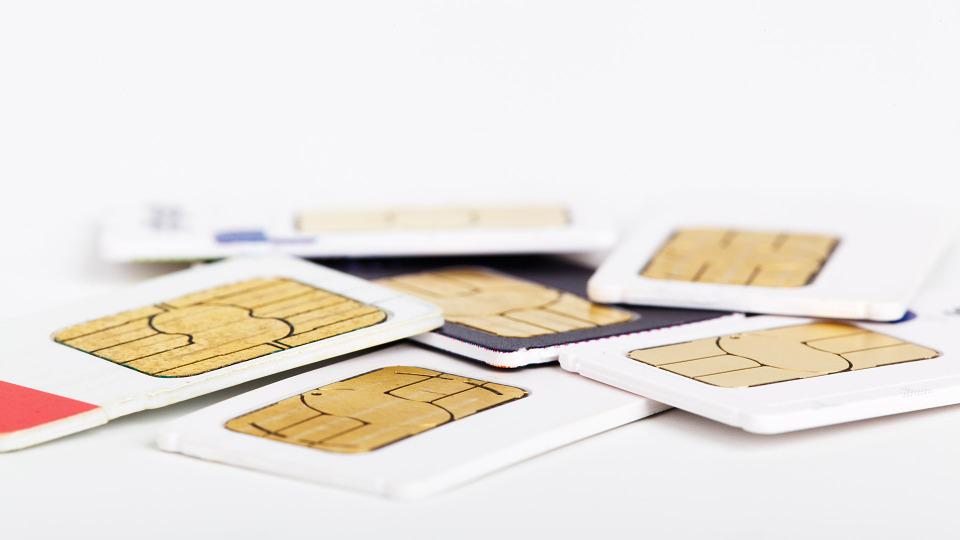
Physical SIMs are the plastic cards you insert into your phone. They usually come in three cuts: standard, micro, and nano. Most of the SIM card providers that we mentioned above offer physical SIMs.
eSIMs work differently because they're completely digital. Instead of inserting a physical card, you download your phone plan directly to your device. But since this technology is fairly recent, not every phone supports it. Compatible devices include:
- iPhone XR and later models
- Google Pixel 3a and 3a XL and later models
- Samsung Galaxy S20, Galaxy Fold, and Galaxy Flip
- Motorola Razr foldable phone
Here are some of your main eSIM options in Japan:
eSIM Providers (Updated with Mobal and eSIM Japan)
| eSIM Provider | Price | Data Cap | Days | Where |
|---|---|---|---|---|
| au | ¥5,800 - ¥8,900 | 5GB - 8GB | 30 | App Store, Google Play |
| Holafly | ¥990 - ¥20,590 | Unlimited | 1 - 90 | Web |
| TravelSIM | $23 - $69 | 1GB - 5GB | 30 | Web |
| Mobal | ¥2,340 - ¥8,000 | 3GB - 100GB | 8 - 31 | Web, pickup in Japan. Long-term Voice + Data plans from ¥3,960/month |
| eSIM Japan | $5 - $80 USD | Unlimited | 3 - 30 | Web. Uses KDDI au network. 5G compatible |
| Sakura Mobile | Varies | Unlimited* | 4 - 93 | Web. *Fair Use Policy: 4GB/day for the 4G option |
Several other companies provide eSIM service that works in Japan but also in other countries. Consider looking into Gigsky, Truphone, Redtea Mobile, and MTX Connect.
eSIMs are great if you're not tech-savvy or you want to save yourself the hassle of setting up your APN or SIM tray. They also make voice calls available immediately, yet they're not as expensive as roaming charges.
If you're visiting other countries or have stopovers elsewhere, eSIMs are a better option than physical SIMs.
Pocket Wi-Fi Providers
Some travelers prefer not to swap SIM cards at all. If you want reliable internet access without checking whether your phone is compatible with local SIM cards, renting a Pocket Wi-Fi device solves that problem completely.
Here are some reliable pocket Wi-Fi providers in Japan.
| Provider | Price (7 days) | Data Speed | Pick-Up | Return |
|---|---|---|---|---|
| Sakura Mobile | ¥8,558 | 4G LTE | Airports, hotels | Airport or mail |
| Ninja Wifi | ¥3,465 - ¥5,390 | Up to 612 Mbps | Airport counters | Airport or mail |
| Japan Wireless | ¥9,100 | 4G LTE unlimited | Airports, hotels | Airport or mail |
Among the available options, Japan Wireless and Ninja Wifi offer competitive pricing and reliable service.
Japan Wireless offers Pocket WiFi rental with 4G LTE unlimited data. Their network reaches most areas tourists visit, speeds work well for navigation apps, social media, video calls, and browsing, and you can rent devices for either brief trips or longer stays.
Customers who've used their Pocket WiFi devices report the same positive experiences with customer support and delivery options that their Prepaid SIM card users mention.
If you're going to Japan soon and need a reliable internet connection as soon as you arrive, we recommend checking their website for further details on their range of products and services.
Most of these options offer unlimited data plans, though some may have fair use policies. There are also providers outside Japan, and you can have them ship the pocket Wi-Fi to your address even before you enter the country.
- Rental Phones
If you’re worried about compatibility, you can rent phones in Japan. SoftBank and ANA (yes, the airlines!) have mobile and smartphone rentals.
- Free Wi-Fi Hotspots
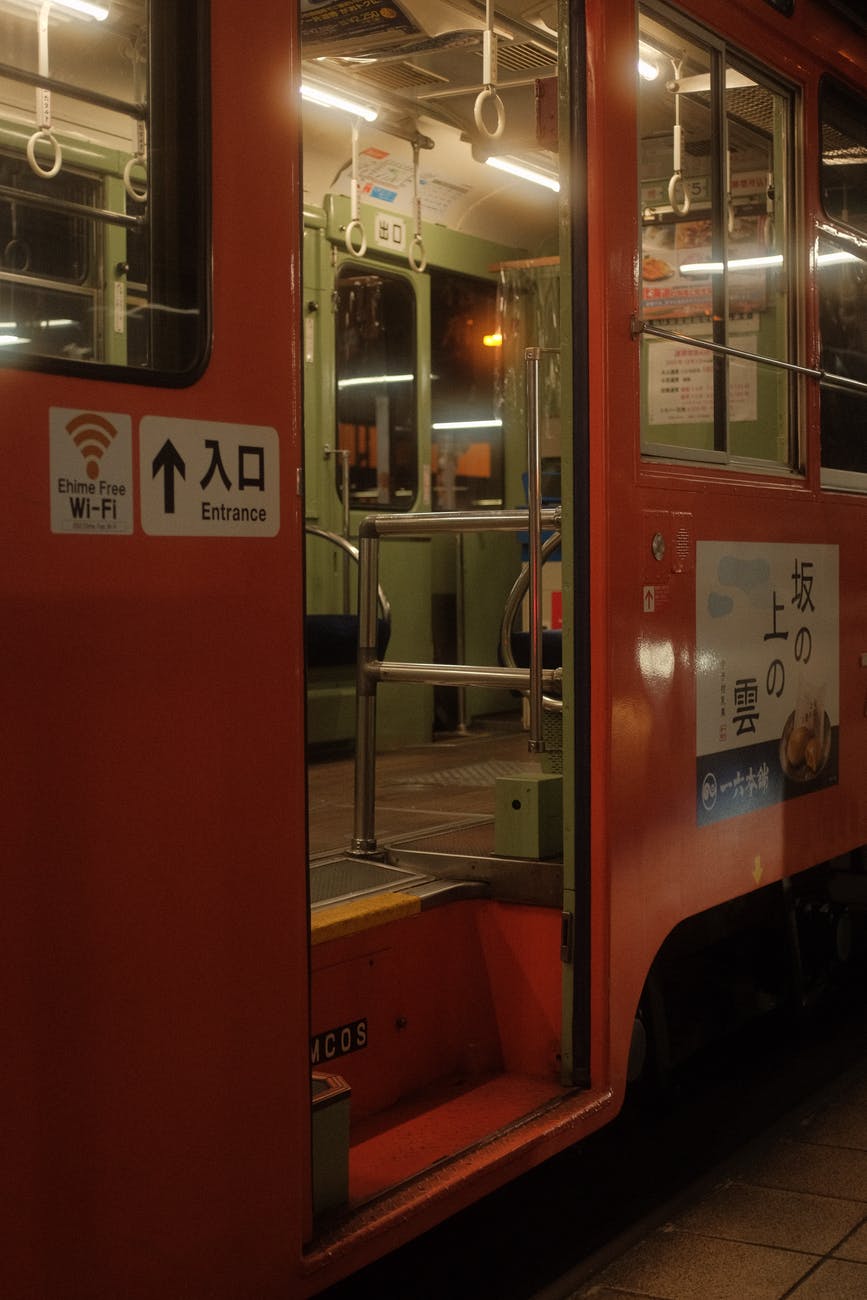
Hotels, airports, train stations, convenience stores, and some restaurants, bars, and cafes have free public Wi-Fi networks. Connection and security, of course, may be in an issue if you want to check your credit card balance or whatnot.
Japan Wi-Fi Auto-Connect and SoftBank’s Free Wi-Fi Passport are two services that can help you connect to plenty of access points across Japan. You need to register before you can use these two services and gain access to their hotspots.
- Paid Wi-Fi Hotspots
Yes! There are paid Wi-Fi hotspots, too. There’s SoftBank Wi-Fi Spot (EX), which allows you to access any SoftBank Wi-Fi spots for ¥514/day. There’s also NTT Docomo, which charges ¥388/day to access their Wi-Fi spots. And lastly, Wi2, which charges ¥800/day to connect to their 200,000 Wi-Fi spots.
- International Roaming
If things are too complicated for you, you can turn on your phone’s international roaming instead. This is a very expensive option, though.
- Internet Cafés and Manga Cafés or Manga Kissa
Now, this is another experience on its own. Similar to other countries, you can stay in a cubicle or room to rent out a computer. In Japan, though, some people actually use these cafes as a budget hotel—like a capsule hotel alternative.
You’ll be tethered to one place with these options, but at least you know they exist.
Speaking of internet cafes, if you’re looking for places to work remotely from, we have a detailed article on the best internet cafes in Tokyo for remote work.
Concluding Words on The Best Mobile Network in Japan
If you are visiting Japan for a short trip, getting a prepaid SIM or eSIM before you leave home is the easiest way to stay connected.
Most plans cover anywhere from 3 to 30 days, there is no contract involved, and you can be online before you even leave the airport. Just make sure your phone is SIM-unlocked before you travel.
If you have recently moved to Japan and need a proper phone plan, the market is much more accessible than it used to be. The government has removed contract lock-ins and SIM restrictions, so you can try a carrier and switch without any financial penalty.
Finally, for choosing a carrier, the decision really comes down to what matters most to you.
Go with Docomo if you travel outside major cities regularly, choose au for the best overall network performance, pick Rakuten Mobile if you want the cheapest unlimited option, and if handling everything in English is a priority, SoftBank is the most straightforward choice.
All four offer viable plans, and you can’t really go too wrong with any of them.
Japan Dev Editorial Team
This post was written by the Japan Dev editorial team, based on Japanese official sources.
- SRE Team Lead, PRE Division Product SRE Department 2, Tokyo
- Money Forward
- Tokyo
- ¥7M ~ ¥10M
- SRE - DataOps/MLOps
- Autify
- Tokyo
- ¥8.5M ~ ¥10M
- Software Engineer
- Solafune
- Tokyo
- ¥7M ~ ¥10M
- Senior Software Engineer
- Solafune
- Tokyo
- ¥10M ~ ¥13M




Latest Tech Jobs 🇯🇵
Explore the top developer jobs in Japan for foreigners
- SRE Team Lead, PRE Division Product SRE Department 2, Tokyo
- Money Forward
- Tokyo
- ¥7M ~ ¥10M
- SRE - DataOps/MLOps
- Autify
- Tokyo
- ¥8.5M ~ ¥10M
- Software Engineer
- Solafune
- Tokyo
- ¥7M ~ ¥10M
- Senior Software Engineer
- Solafune
- Tokyo
- ¥10M ~ ¥13M
- Cybersecurity Document Creation Support
- Solafune
- Tokyo
- ¥5M ~ ¥7.5M
- Security Verification Engineer (Cyber Defense - Gov't Project)
- Solafune
- Tokyo
- Up to ¥8.5M
- Engineering Manager, Money Forward Cloud, Fukuoka
- Money Forward
- Fukuoka
- ¥10M ~ ¥15M
- SRE and Platform Engineering Lead, Platform Department 2, Tokyo
- Money Forward
- Tokyo
- ¥7.9M ~ ¥15M
- AI Tech Lead (Context & Harness), CTO Office
- Money Forward
- Tokyo
- ¥7.9M ~ ¥15M
Get Job Alerts
Sign up for our newsletter to get hand-picked tech jobs in Japan – straight to your inbox.

© 2026 Japan Dev. All rights reserved.
Proudly built in Tokyo.


Curated with 💙 in Tokyo
All our data is gathered from publicly available sources or contributed by users